

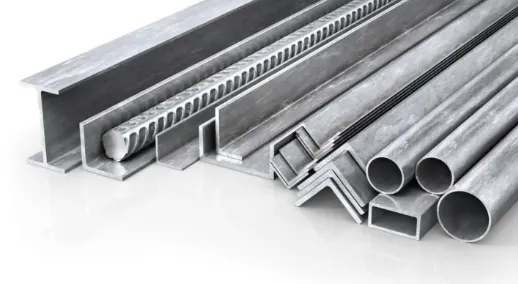
Structural steel is one of the most widely used materials in modern construction. It provides support for bridges, buildings, pipelines, and other critical infrastructure that require substantial strength and safety. To be approved for use, structural steel must pass an extensive list of testing procedures to verify that it complies with national and international quality standards. One of the most important methods in this process is impact testing.
The behavior of steel under sudden force is determined through impact tests. It reveals whether the material can absorb energy without breaking, which is particularly critical in scenarios where the steel may encounter heavy impacts, low temperatures, or fast-moving loads. The consequences of steel failure under these circumstances may include severe structural damage or even complete collapse.
This is the reason why impact testing is a crucial part of structural steel certification. It gives engineers and inspectors the necessary information to make informed, safe decisions. Regulations and certification bodies demand impact test results to verify that the steel is appropriate for its intended application. This article investigates the significance of equipment selection in obtaining precise results, how impact testing facilitates certification, and the ways in which it prevents failures in real-world scenarios.
For adaptable solutions in construction and storage, temporary buildings offer a fast, flexible alternative to permanent structures. These structures also benefit from rigorous steel testing, especially in environments prone to impact stress or changing weather, where performance assurance is vital.
Contents
Why Impact Testing Matters for Certified Steel
Structural steel must be strong, but it must also be tough. Toughness refers to the material’s ability to absorb energy without breaking when it experiences sudden force. This is the point at which impact testing becomes crucial. It helps measure how much energy a steel sample can absorb before breaking. This type of testing is particularly beneficial for comprehending the material’s performance in real-life situations where force is applied rapidly, such as during a collision or when it is exposed to low temperatures.
The most commonly used method is the Charpy V-Notch test. In this test, a notched steel sample is struck by a swinging pendulum. The equipment subsequently records the amount of energy that is absorbed during the break. This value indicates the steel’s resistance to brittle failure. The steel is deemed unsafe for applications that necessitate strength under sudden impact when the result is insufficient.
Impact testing is part of many international testing standards. For instance, ASTM E23 and ISO 148-1 are often used with respect to metallic materials. These standards delineate the procedures and sample dimensions that must be followed to obtain accurate results. Certification bodies frequently request impact test data to verify that the steel satisfies quality standards. Testing is frequently conducted at different temperatures to observe the steel’s behavior in both warm and cold environments.
When steel passes these tests, it becomes part of a safer construction process. Engineers can be confident that the certified material will perform as anticipated under pressure. This is why impact testing is not only a necessity but also a critical step in the construction of a dependable infrastructure. It provides assurance that the steel will withstand the realistic demands of the real world.
How Impact Testing Helps Prevent Failures in Real Conditions
Throughout their lifespan, steel structures are subjected to a range of forces. The weight of a building and the pressure in a pipeline are examples of constant forces. Others are abrupt and unpredictable. These include earthquakes, strong winds, moving vehicles, or accidental collisions. The steel must be capable of withstanding the impact without cracking or breaking in the event of such occurrences. This is why it really matters to comprehend the material’s durability through impact testing.
Failure frequently commences with a minor crack in real-life situations. The crack can expand very quickly and result in a more substantial break if the steel is brittle. This type of failure has the potential to result in severe accidents, particularly in industrial buildings, bridges, and towers. Engineers use impact testing to determine whether a steel batch is excessively brittle prior to its implementation in construction. It is also beneficial for determining whether a manufacturing or heat-treatment process has weakened the steel.
Some well-known cases of structural failure have been linked to materials that did not have enough toughness. These failures frequently occurred in cold temperatures, as steel is naturally more brittle in such conditions. That is why numerous standards necessitate that steel undergo testing at low temperatures. The results serve as confirmation that the material will remain secure in the face of severe weather.
Additionally, impact testing is implemented during routine quality assessments. There may be slight variations between batches when steel is manufactured in large quantities. Regular testing enables the identification of these discrepancies at an early stage and prevents the use of inferior material in critical structures. This facilitates both cost control and safety by identifying issues prior to installation.
The Importance of Using the Right Equipment for Impact Testing
Accurate impact testing depends not only on the material but also on the equipment used. This is the reason why selecting the right impact testing equipment is a key part of the entire procedure.
There are several types of machines designed for testing the toughness of metals. The most common is the Charpy impact tester, which uses a heavy pendulum to strike a notched sample and measure the energy absorbed during fracture. Another alternative is the drop weight impact tester, which applies a sudden force by releasing a weight from a predetermined height.
The process of selecting the appropriate equipment extends beyond just the basic specification of the machine. Long-term maintenance, calibration services, and support are also crucial. Suppliers who offer comprehensive technical support and service following the purchase of equipment are advantageous to manufacturers and laboratories. This guarantees that the system will continue to produce valid results in the future and mitigates the likelihood of unforeseen downtime.
Due to these factors, numerous testing professionals seek reliable suppliers who comprehend the technical and practical requirements of impact testing. Companies such as NextGen Material Testing Inc. are recognized in the industry for providing dependable equipment and long-term technical support. Systems from such suppliers are intended to satisfy industry standards while also helping users maintain their concentration on long-term efficiency, accurate testing, and proper calibration.
Building Confidence Through Proper Steel Testing
Structural steel is a crucial component in contemporary construction, and its performance must always comply with stringent safety and quality standards. The material’s ability to withstand sudden force without failure is verified through impact testing. It is a dependable and transparent method for determining toughness, where standard strength or hardness values may not reveal how the steel behaves under sudden impact.
Each stage of impact testing, from sample preparation to final results, must follow clear standards and use the right equipment. This process generates reliable data that substantiates certification and real-world performance when executed with precision. The results enable engineers to make more informed choices about design and mitigate structural issues prior to their occurrence.
As explained in this article, the quality of impact testing is contingent upon the steel itself, as well as the equipment and support underpinning the process. Long-term testing success can be significantly enhanced by investing in dependable machines and collaborating with seasoned suppliers. Ultimately, the use of certified steel, which is supported by precise testing, not only results in the construction of more durable structures, but also in the establishment of enduring confidence in the quality and safety of the materials.