

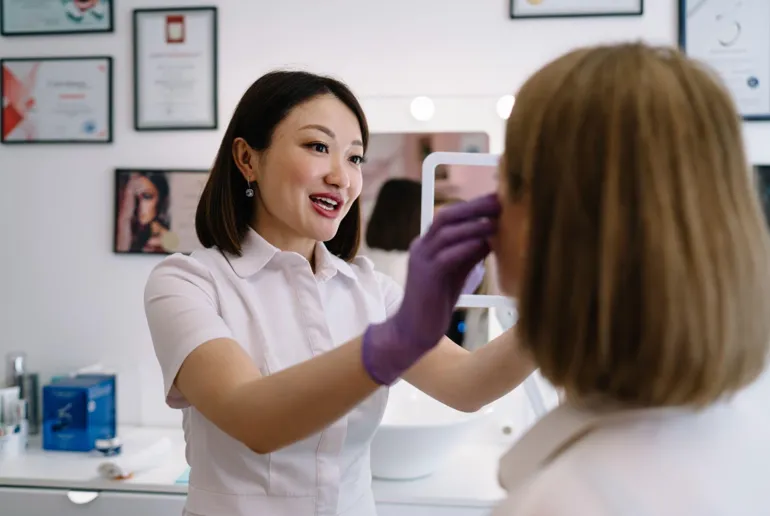
- A consultation helps assess your goals, health history, and facial anatomy without pressure
- You’ll learn about treatment options suited to your features and lifestyle
- Clinics should prioritise qualifications, safety, and transparency over fast bookings
- Preparing properly before treatment ensures safer results and fewer surprises
You’ve probably scrolled past hundreds of before-and-after photos, heard mixed reviews from friends, and maybe even hovered over the “book now” button without quite pressing it. Your first consultation at a cosmetic clinic can feel like a big step, especially when you’re not sure what to expect. Whether you’re curious about subtle changes or have a specific treatment in mind, understanding how that first visit unfolds can ease a lot of the hesitation. This is your chance to ask questions, get real answers, and know whether the process matches your expectations. No pressure, no commitment—just clear, professional guidance from people who do this every day.
Contents
What Happens During the Consultation Process
Initial consultations usually begin in a quiet, private room—no bright lights or intimidating setups. You’ll sit down with a trained clinician who starts by asking about your goals, concerns, and any previous experience with cosmetic treatments. This isn’t a rushed chat. It’s a genuine conversation where your lifestyle, facial structure, and personal preferences all play a role.
Clinics often use photographs or mirror-based assessments to discuss proportions and possibilities. You might talk about volume loss, asymmetry, or areas where softening could enhance your natural features. Everything is collaborative. You’re not being told what you “should” do, but rather what could work if you decide to go ahead. It’s also where you learn what’s involved medically—how the products work, how long they last, and what’s safe for your anatomy.
Expect a full rundown of your health background, too. Medications, allergies, and recent procedures all factor into what treatments are appropriate. Good clinicians will tell you what not to do as much as what you can do. And if something you’re asking for isn’t realistic or appropriate, they’ll say so.
Understanding Treatment Options Based on Your Goals
This part of the consultation shifts into education. Once your clinician understands what you’re hoping to achieve, they’ll outline potential treatments that align with both your goals and your facial structure. Some might be temporary, others more lasting. It’s not just about choosing a product—it’s about choosing the proper technique for your features.
If you’re considering something like lip fillers Hobart clients often ask about, you’ll likely discuss the difference between structure-enhancing options versus more hydrating, subtle products. The clinician may show examples or talk through the tools and techniques they use. They’ll also walk you through common effects like swelling, when to expect peak results, and how long those results will hold.
You’re encouraged to ask questions at every step. The right clinic won’t push you toward one solution. Instead, they’ll help you weigh the options and make sense of how each choice would apply to your face, not just a textbook example. You’re not locked into anything by asking. You’re simply building an informed foundation for whatever decision comes next.
Why Qualifications and Experience Matter More Than Price
Once you’ve had your treatment options laid out, it’s natural to start thinking about costs. But cosmetic work isn’t the kind of service where cheaper is better. The qualifications and experience of your clinician should weigh more heavily than any price tag. During your consultation, you should hear clear details about who performs the procedures, what training they’ve completed, and how often they work with the specific treatments discussed.
It’s also where you get insight into how seriously the clinic takes safety. A reputable provider won’t gloss over risks or side effects. They’ll talk openly about what could go wrong, how complications are managed, and whether your health history raises any flags. This transparency is what separates medical professionals from trend-driven operators. You’re not being sold a look—you’re being medically assessed.
Some clinicians will even recommend waiting, referring you to other professionals, or suggesting less invasive treatments to start. This kind of honesty is often the best sign that you’re in capable hands. You should leave the room with more clarity, not more confusion.
Preparing for Treatment if You Decide to Go Ahead
After a solid consultation, you may feel ready to move forward—but that doesn’t mean you need to. Many clinics recommend taking a day or two before booking, especially for first-time clients. It gives you space to review what you’ve learned, ask follow-up questions, and think about whether the timing feels right.
If you do book in, there are a few things you’ll be asked to do in the lead-up. You might be advised to avoid alcohol, fish oil, aspirin, and anti-inflammatories for a few days before the procedure to reduce bruising. Some clinics also provide arnica cream or cold packs for post-treatment care. You’ll be given a rundown of what to expect immediately after the procedure—mild swelling, tenderness, or small lumps that settle within days.
Clinics that take the prep seriously tend to take everything seriously. You should feel informed, looked after, and never rushed. Even after the appointment ends, good providers check in with you. Whether through follow-up calls, emails, or a second in-person review, your comfort and outcome remain part of their job.
Why a Good Consultation Sets the Tone for Everything That Follows
It’s easy to think of a consultation as just a formality, but it’s often where the most essential part of your cosmetic journey happens. This first meeting tells you more than just what treatments are available—it shows you how the clinic operates, how well they listen, and how much they prioritise your wellbeing over the sale.
You should walk away with a clear picture of what’s possible for your features, what’s realistic for your budget, and the steps to ensure the process is safe and tailored to you. The trust you build in that first appointment is what gives the rest of the process its foundation. Whether you move ahead with treatment, take time to think, or decide not to proceed, the proper consultation should make you feel seen, heard, and respected.