

Crooked or crowded teeth can drain your confidence and strain your jaw. You might want a straighter smile, yet fear metal brackets, wires, and long office visits. Clear aligners offer a different path. They use custom plastic trays that fit over your teeth. You remove them to eat, drink, and brush. You swap each set on a schedule that fits your life. This quiet treatment works with school, work, and family needs. It also makes cleaning your teeth easier, which helps prevent decay and gum disease. A Buckhead dentist can design a plan that shifts your teeth in small steps. Each tray feels familiar after a short time. You see change in the mirror without feeling watched by others. Clear aligners give you structure without rigid rules. They respect your time, your routine, and your comfort.
Contents
How Clear Aligners Work
Clear aligners use a simple idea. Gentle pressure moves teeth a tiny bit at a time. You wear each set of trays for most of the day and night. You then switch to the next set as directed.
The process usually follows three steps.
- First, your dentist or orthodontist takes digital scans or molds of your teeth.
- Next, a series of trays is made to match small planned changes.
- Finally, you wear the trays in order until your teeth reach their new positions.
Each tray targets certain teeth. The changes feel slow yet steady. This planned pace protects your roots and jaw.
Key Differences Between Aligners and Braces
Both clear aligners and braces aim for the same goal. They straighten teeth and improve your bite. Yet they affect your daily life in different ways.
| Feature | Clear Aligners | Traditional Braces |
|---|---|---|
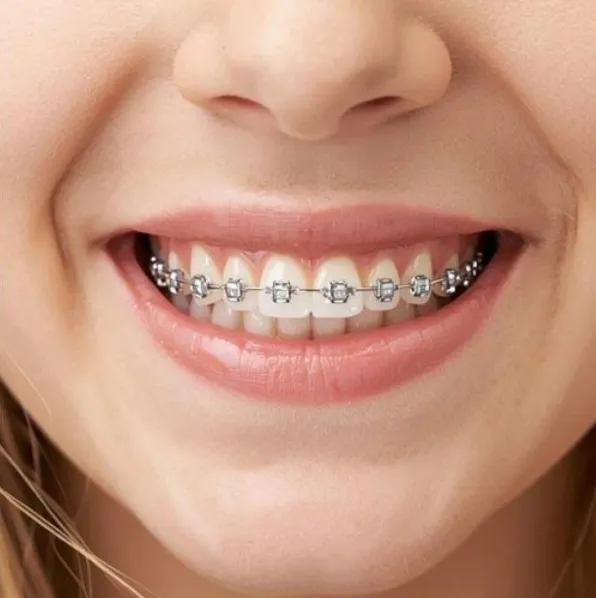
| Appearance | Clear trays over teeth | Metal brackets and wires |
| Removability | Remove for meals and brushing | Fixed to teeth all day and night |
| Food limits | Few limits if trays are removed | Avoid sticky, hard, or crunchy food |
| Cleaning routine | Brush and floss as usual | Need special tools to clean around brackets |
| Office visits | Less frequent checks in many cases | Regular wire adjustments |
| Comfort | Smooth plastic over teeth | Metal parts can rub cheeks and lips |
| Complex bite problems | May not suit very severe cases | Often used for very complex cases |
Both options can work well when guided by a trained professional. Your needs, budget, and habits shape the best choice for you or your child.
Flexibility for School, Work, and Family Life
Clear aligners fit into busy routines. They do not demand as many schedule changes.
You can:
- Take trays out for school photos, work talks, or sports mouthguards
- Eat family meals without picking food out of wires
- Brush and floss before bed without extra tools
This flexibility can help teens feel less exposed during middle or high school. It can also help adults who talk with clients or attend meetings.
Yet aligners still need structure. You must wear them as directed, often 20 to 22 hours a day. Short breaks are fine for meals. Long breaks slow or reverse progress.
Cleaning and Oral Health Benefits
Clear aligners can support cleaner teeth. You remove the trays, then brush and floss the way you learned as a child.
Traditional braces can trap food around brackets. That can raise the chance of white spots, cavities, and swollen gums if cleaning is rushed or skipped. Aligners reduce those traps.
Good daily care still matters. You need to:
- Brush twice daily with fluoride toothpaste
- Floss once daily between every tooth
- Rinse trays with cool water and clean them as instructed
The Centers for Disease Control and Prevention stresses brushing and flossing as the core of strong oral health. Aligners help you keep that core routine steady during treatment.
Who May Benefit From Clear Aligners
Clear aligners can help many children, teens, and adults. They are often used for:
- Crowded teeth
- Spaces between teeth
- Teeth that tipped forward or backward
- Mild bite problems such as small overbites or crossbites
You may be a good match if you can:
- Wear trays for the full recommended hours
- Keep track of trays during school, work, and travel
- Clean your teeth and trays every day
Some bite problems still need braces or other tools. Only an exam with X-rays and photos can show what will work.
Cost, Insurance, and Time In Treatment
Costs for clear aligners and braces often overlap. The price can change with:
- How many teeth need to move
- How far they need to move
- How long treatment lasts
Many insurance plans cover part of both options for children. Some plans also help adults. You can ask for a written plan that lists costs and the length of care before you start.
Aligner treatment time often ranges from several months to a few years. Braces follow a similar span. Shorter cases usually involve small shifts. Larger changes need more time.
Making a Safe Choice for Your Family
Clear aligners are medical devices. They need careful planning and follow-up. Mail-order trays without in-person exams can miss tooth decay, gum disease, or jaw problems. That can cause pain or tooth loss.
Choose a licensed dentist or orthodontist who can:
- Check for cavities and gum disease before treatment
- Review x rays to protect roots and bone
- Watch progress and adjust the plan when needed
Trust that steady, supervised care protects your mouth. Clear aligners can give you a straighter smile while still respecting your time, your work, and your family rhythm.