

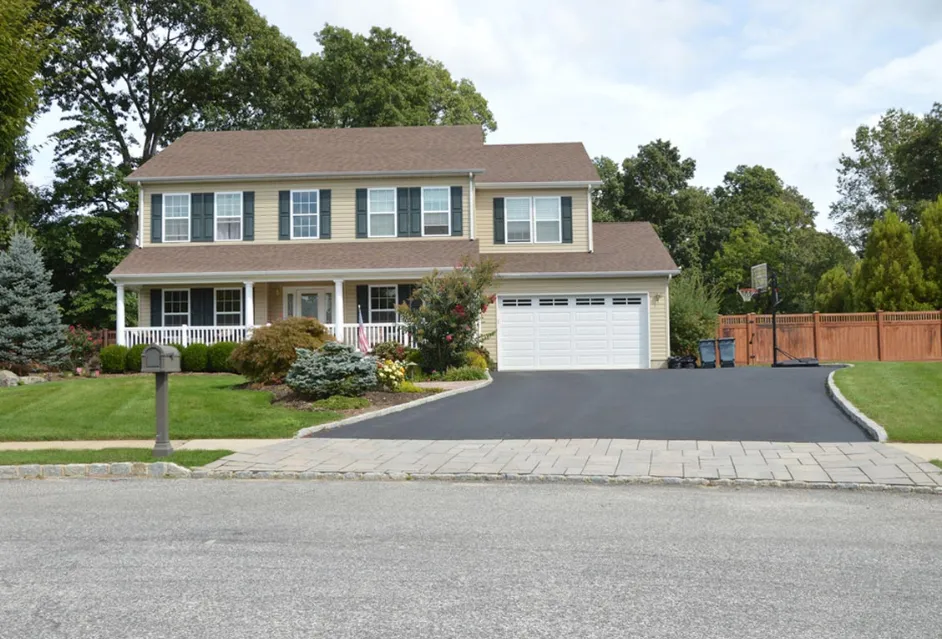
A well-installed driveway, whether concrete pavers, stamped concrete, or a resurfaced overlay, represents a meaningful investment in a property’s functionality and curb appeal. What many homeowners don’t fully appreciate is that the longevity and continued appearance of that investment depends significantly on one relatively simple maintenance step: sealing.
Driveway sealing is one of the most cost-effective outdoor maintenance tasks available to homeowners, and it is consistently undervalued until the consequences of skipping it become visible in the form of surface deterioration, staining, or color fading that is significantly more expensive to address than prevention would have been.
Working with driveway sealing and protection specialists who understand the specific demands of Texas outdoor surfaces ensures that the right sealer is applied correctly, providing protection that performs under Austin’s intense UV conditions and temperature cycling.
Contents
What Sealing Actually Does
A quality sealer applied to a driveway surface does several things simultaneously. It creates a protective barrier against moisture penetration, which is important because water that enters concrete or paver joints and then expands during freeze events causes spalling and joint degradation. In Texas, where freeze events are infrequent but do occur, this protection matters.
Sealing also provides meaningful resistance to staining from oil, grease, and other automotive fluids. A driveway without sealer absorbs these contaminants into the surface material, where they become permanent or very difficult to remove. A sealed surface allows spills to be wiped up before they penetrate.
UV protection is particularly important in Central Texas, where intense sun exposure throughout most of the year causes color fading in decorative concrete surfaces, stamped overlays, and colored pavers. A quality UV-resistant sealer slows this fading dramatically, keeping decorative surfaces looking vibrant significantly longer than they would unprotected.
Finally, sealer enhances the visual appearance of many surfaces, deepening colors and adding a degree of sheen that brings out the texture and color variation in decorative paving materials.
Sealing Frequency and Timing
The appropriate resealing interval depends on the surface type, the sealer product, the level of traffic, and the intensity of UV exposure. For most residential driveways in the Austin area, resealing every two to three years maintains effective protection. High-traffic driveways or surfaces in full sun exposure may benefit from resealing every one to two years.
The right time to reseal is when the existing sealer is no longer providing effective protection. A simple test: pour a small amount of water on the surface. If it beads up and sits on top, the sealer is still performing. If it soaks in immediately, the sealer has worn through and it is time to reseal.
Timing within the year also matters. Sealing should be done when temperatures are moderate and there is no rain expected for at least 24 to 48 hours after application. The Austin spring and fall offer ideal conditions, avoiding the extreme summer heat that can affect sealer application and curing.
Maintaining outdoor surfaces doesn’t stop at the driveway—working with a professional Leek Patio Company can also help homeowners protect and enhance patios and other hardscaped areas that face similar weather exposure.
The Difference Between Sealer Types
Not all sealers are the same, and the choice of product matters significantly for the performance and appearance of the finished surface.
Penetrating sealers are absorbed into the concrete or paver material and provide protection from within without changing the surface appearance or adding sheen. They are appropriate for surfaces where a natural look is preferred and where traction on a wet surface is a priority.
Film-forming sealers coat the surface and typically add sheen ranging from matte to high gloss. They provide strong color enhancement and protection but require more attention to surface preparation and reapplication because they can peel or delaminate if applied improperly or over a surface that wasn’t fully cleaned and prepared.
Solvent-based sealers tend to penetrate more deeply and provide stronger color enhancement than water-based products. Water-based sealers have lower VOC content and are easier to apply but may require more frequent reapplication in high-exposure environments.
A qualified contractor will recommend the appropriate sealer for the specific surface type and the performance expectations of the homeowner, rather than defaulting to whatever product is most readily available.
Sealing as Part of a Broader Maintenance Program
Driveway sealing fits most effectively into a broader outdoor surface maintenance program that also includes periodic cleaning, joint sand replenishment for paver systems, and inspection for any developing issues that should be addressed before they become larger problems.
Catching a small area of settling in a paver system before it becomes a tripping hazard, for instance, is a minor correction. Waiting until the settling has propagated through a larger section of the driveway turns it into a significant repair. Regular professional inspections that coincide with sealing visits provide the opportunity to identify and address these developing issues proactively rather than reactively.