

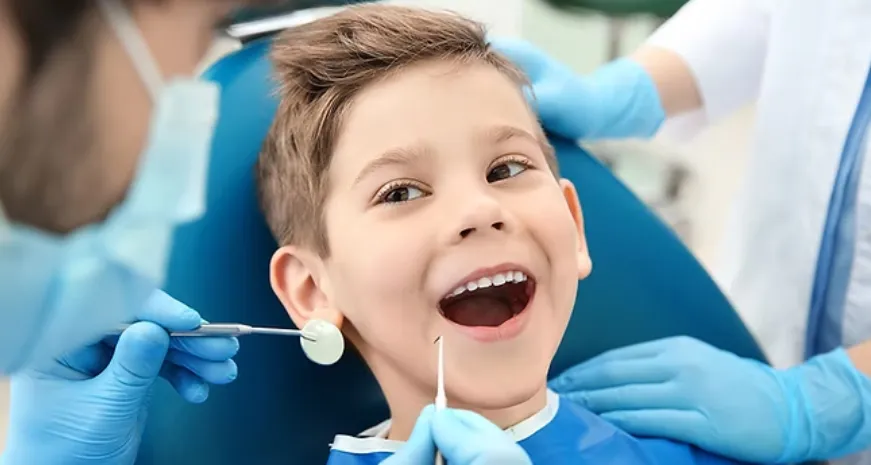
Your child’s smile starts forming long before the first tooth appears. Early dental checkups protect that growth and guide it in the right direction. You may see baby teeth as temporary. They are not. They shape how your child eats, speaks, and feels about their face. Regular visits catch small problems before they turn into pain, infection, or costly treatment. They also teach your child that the dental chair is a safe place, not a threat. That trust matters. It can last a lifetime. A Modesto kids dentist can spot early signs of crowding, weak enamel, or mouth habits that harm teeth. Early action keeps teeth strong and jaws growing in a healthy way. You give your child comfort. You also give them control. A steady routine of checkups, cleanings, and simple guidance builds a mouth that works well and feels calm.
Contents
- 1 Why Baby Teeth Matter More Than You Think
- 2 How Early Checkups Protect Oral Development
- 3 What Happens During a Child’s Dental Visit
- 4 Early Visits Reduce Cavities and Fear
- 5 Fluoride, Sealants, and Other Early Protections
- 6 Daily Habits That Support Early Checkups
- 7 When to Schedule and How Often to Return
- 8 Giving Your Child a Strong Start
Why Baby Teeth Matter More Than You Think
Baby teeth hold space for adult teeth. They guide them into the right position. When a baby tooth breaks or falls out too early, nearby teeth move. Then the adult teeth lose their path. You see crowding, crooked teeth, and bite problems.
Baby teeth also help your child:
- Chew food well and avoid stomach problems
- Form clear speech sounds
- Feel confident with other children
When baby teeth hurt, your child may avoid food. They may lose sleep. They may miss school. The pain steals focus and energy. Early checkups prevent that loss.
How Early Checkups Protect Oral Development
The American Academy of Pediatric Dentistry and the American Academy of Pediatrics both advise a first dental visit by age one or within six months of the first tooth.
During early checkups, the dentist can:
- Check how teeth and jaws grow
- Look for early tooth decay and gum problems
- Watch tongue and lip ties that affect feeding or speech
- Review thumb or finger sucking and pacifier use
- Teach you how to clean your child’s teeth
You get a clear picture of your child’s mouth. You also get a plan that fits your child’s age, habits, and health.
What Happens During a Child’s Dental Visit
Knowing what to expect lowers fear for you and your child. A typical early visit includes three steps.
First, you talk. You share your child’s health history and daily routine. You mention any pain, grinding, or mouth breathing. The dentist listens and asks simple questions.
Second, the dentist checks your child’s mouth. This check is quick. It may happen with your child on your lap. The dentist counts teeth, looks at gums, and checks the bite. If needed, the dentist may suggest simple X-rays. These use low radiation and help spot hidden decay.
Third, you get guidance. The dentist may show brushing on your child’s teeth. You learn how much fluoride toothpaste to use. You talk about snacks and drinks that help or harm teeth.
Early Visits Reduce Cavities and Fear
Children who start care early tend to have fewer cavities. They also use fewer emergency visits. That pattern shows up across many studies and many clinics.
Early visits also shape how your child feels about dentists. When visits start before pain, your child links the office with calm faces and quick checks. That memory can last many years.
Comparison of Children Who Start Dental Visits Early and Late
| Factor | First Visit By Age 1 | First Visit After Age 3 |
|---|---|---|
| Chance of cavities in early grade school | Lower | Higher |
| Chance of emergency visits for tooth pain | Lower | Higher |
| Comfort with dental visits | Greater | Less |
| Need for complex treatment | Less common | More common |
This pattern matches what public health programs see when they track children over time.
Fluoride, Sealants, and Other Early Protections
Fluoride is a natural mineral. It makes the outer layer of teeth stronger. It also helps repair early damage.
The Centers for Disease Control and Prevention explains how fluoride protects teeth and supports safe use.
During a visit, the dentist may suggest:
- Fluoride varnish on teeth
- Dental sealants on back teeth when they appear
- Fluoride toothpaste in the correct pea-sized or rice-sized amount
These simple steps lower the chance of cavities for many years.
Daily Habits That Support Early Checkups
Dental visits work best when they match strong home habits. You can focus on three daily steps.
- Clean: Wipe baby’s gums with a soft cloth. Brush twice a day once teeth appear.
- Control sugar: Offer water between meals. Limit juice, sticky snacks, and frequent sipping.
- Watch habits: Notice thumb sucking, nail biting, and mouth breathing. Talk about these at visits.
You do not need special tools. You need a small soft brush, fluoride toothpaste, and a steady routine.
When to Schedule and How Often to Return
Plan the first visit by your child’s first birthday. Then follow the schedule the dentist suggests. Many children need a visit every six months. Some need checks more often due to higher risk.
Try to choose times of day when your child is rested and fed. You can bring a comfort toy or book. You can model calm breathing and simple words like “The dentist is counting your teeth.” Your steady body language teaches safety without long talks.
Giving Your Child a Strong Start
Early dental checkups do more than protect teeth. They guard sleep, speech, growth, and school days. They also give your child a sense of safety in a place that many adults fear.
When you schedule that first visit and keep a regular pattern, you send a clear message. Your child’s mouth matters. Their comfort matters. Their long-term health matters. You protect that with simple steps today.