

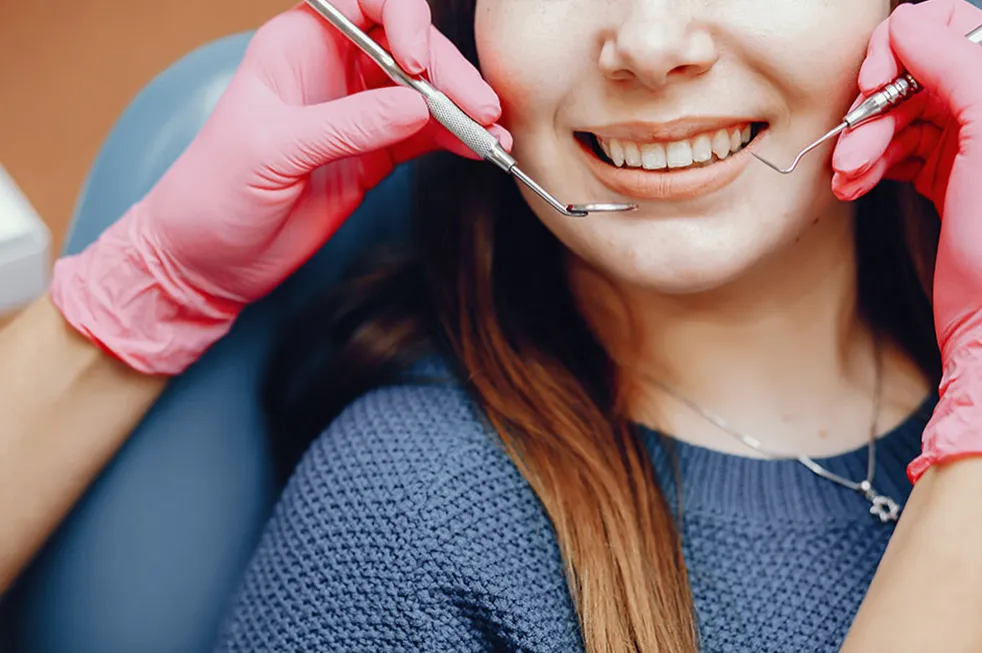
You brush and floss. You think that is enough. It is not. Preventive dental screenings protect you from pain, high bills, and sudden emergencies. Routine checks find small problems before they grow into infections, missing teeth, or health scares. Many people wait until something hurts. By then, treatment is longer, harder, and more costly. Regular visits let your River Edge dentist watch for early signs of decay, gum disease, and even warning signs of diabetes or heart trouble. These screenings are quick. They use simple tools. They give you clear answers. You gain control over your health instead of reacting to problems. You also protect your child, partner, or parent by setting a steady example. This blog explains why these screenings should be a normal part of your year, like school checkups or flu shots. Your mouth is not separate from your body. It deserves the same steady care.
Contents
- 1 What a preventive dental screening includes
- 2 Why early detection matters for your whole body
- 3 How often you and your family should go
- 4 Cost of routine care versus crisis care
- 5 Benefits for children, adults, and older adults
- 6 How to fit screenings into a busy life
- 7 When you should not wait
- 8 Take your next step today
What a preventive dental screening includes
A screening visit is simple. You sit in a chair. A trained team checks your mouth from teeth to throat. They look for early changes that you cannot see in a mirror.
Most routine screenings include three parts.
- Review of your health history and daily habits
- Careful look at teeth, gums, tongue, and cheeks
- X rays when needed to see between teeth and under fillings
The team may also check your bite, jaw joints, and any mouth sores. They clean away plaque and tartar so your gums can heal and your teeth stay strong. They then talk with you about what they see and what you can change at home.
Why early detection matters for your whole body
Your mouth shows early signs of many health problems. Gum disease is linked to heart disease, stroke, and poor blood sugar control. A sore that does not heal can signal oral cancer. Dry mouth can point to medication side effects or immune problems.
When your dentist sees you on a steady schedule, small shifts stand out. A tiny spot on the gum. A crack in a filling. A pocket of infection. Caught early, these problems need less treatment and less time off work or school.
You can read more about how oral health and body health connect from the Centers for Disease Control and Prevention.
How often you and your family should go
Most people need a screening every six months. Some need visits more often. That choice depends on your risk.
- Children and teens who eat many snacks or wear braces may need closer checks.
- Adults who smoke or have diabetes face a higher gum risk.
- Pregnant people often see quick gum changes and need close care.
The American Dental Association explains that visit timing should match your personal risk and history.
Cost of routine care versus crisis care
Many people skip visits because of cost fear. Yet the cost of skipping is often far higher. Small problems grow in silence. Then they hit you with a large bill, missed work, and sharp pain.
The table below shows a simple comparison. Costs are sample ranges and can vary by region and plan. They still show the pattern. Early care saves money and stress.
| Type of visit or treatment | Typical timing | Sample cost range | What it covers |
|---|---|---|---|
| Preventive screening and cleaning | Every 6 to 12 months | Low cost or covered by many plans | Exam, cleaning, basic X-rays, early warning |
| Small filling | After early decay is found | Low to moderate cost | Fixes one tooth before pain starts |
| Root canal and crown | After deep decay or infection | High cost | Saves a tooth with deep damage |
| Tooth removal and replacement | After severe damage or gum disease | Very high cost | Surgery plus bridge, partial, or implant |
Routine screenings push you toward the top rows, not the bottom ones. You trade a short visit for a lower bill and a calmer life.
Benefits for children, adults, and older adults
Each life stage faces different mouth risks. Regular screenings protect every member of your home in clear ways.
- Children learn that the chair is safe. The team checks growth, counts teeth, and guards against early decay. They also help you learn how to clean baby teeth and new molars.
- Adults balance work, stress, and family. Screenings catch grinding, gum disease, and wear from sports or night clenching. They also give you a space to talk about diet and tobacco.
- Older adults may take many medicines and have dry mouth. They may wear partials or full dentures. Screenings help prevent sores, infections, and trouble chewing that can weaken the body.
When the whole family keeps steady visits, you share one message. Health comes first. Your children see that you keep your own checkups. That pattern can shape their choices for life.
How to fit screenings into a busy life
Your schedule may feel packed. Work, school, and care tasks fill the week. You can still protect your mouth without chaos.
- Book your next visit before you leave the office. Treat it like a set meeting.
- Pick the same month each year for everyone in your home. For example, every January and July.
- Use phone reminders or a wall calendar. Mark visits in a bold color.
If you fear the chair, speak up when you book. You can ask for short visits, clear steps, and simple breaks. Many people share this fear. A calm team can help you move through it with small steps.
When you should not wait
Routine screenings are planned. Some problems need urgent checks. Do not wait if you notice any of these signs.
- Bleeding gums when you brush or floss
- Loose adult teeth
- Constant bad breath that does not change with brushing
- Sharp pain when you bite or drink hot or cold
- A sore in your mouth that lasts more than two weeks
- Swelling in your face or jaw
These signs can point to infection, gum disease, or cancer. Early care here can protect your life, not just your smile.
Take your next step today
Preventive dental screenings are simple. They are short. They are powerful. You keep control of your health instead of waiting for a crisis to control you.
Set one clear step now. Call your dental office. Put the next visit on your calendar. Then help your child, partner, or parent do the same. Each steady checkup is one strong act of protection for your body, your wallet, and your peace of mind.