

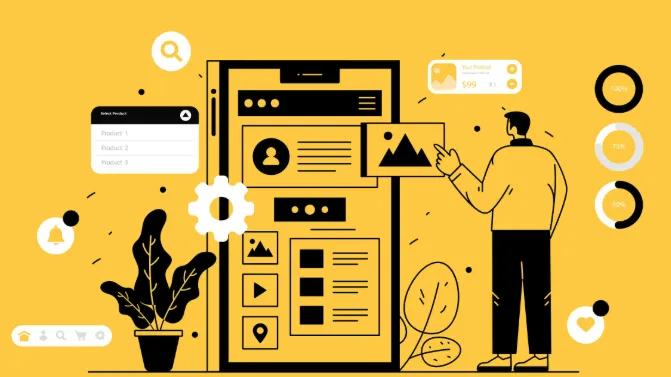
Enhancing user experience is not just a trend but a strategic imperative for businesses looking to thrive in today’s competitive landscape. The way customers interact with a company’s products or services plays a pivotal role in shaping their overall perception and loyalty.
But why exactly does user experience matter for business growth? Let’s explore how a seamless, customer-centric approach can be the game-changer in driving success and staying ahead of the curve in a rapidly evolving market.
Contents
Importance of User Experience
User experience plays a critical role in shaping customer perceptions and influencing their decisions, making it a key factor in driving business growth. The way customers interact with a product or service greatly impacts their overall satisfaction and loyalty. A seamless and intuitive user experience fosters trust, enhances brand perception, and ultimately leads to increased customer retention and acquisition.
By prioritizing user experience, businesses demonstrate their commitment to meeting the needs and expectations of their customers. Understanding the pain points and preferences of users allows companies to design more effective solutions that resonate with their target audience. This empathetic approach not only improves customer satisfaction but also differentiates a brand in a competitive market.
Moreover, a strategic focus on Best Online Casino Malaysia user experience can result in tangible business outcomes, such as higher conversion rates, increased sales, and improved customer lifetime value. Investing in optimizing the user experience is not just a trend but a fundamental strategy for sustainable business growth in today’s customer-centric landscape.
Impact on Customer Satisfaction
Improving the overall user experience of a product or service greatly influences customer satisfaction levels and ultimately impacts business success. When customers interact with a product or service that is intuitive, seamless, and tailored to their needs, they are more likely to feel satisfied with their overall experience. This satisfaction plays a vital role in shaping their perception of the brand and influences their decision to return for future purchases.
Customer satisfaction is a key driver of business growth as happy customers are more likely to become repeat buyers and brand advocates. By prioritizing user experience and ensuring that customers have a positive interaction with your product or service, you are fostering a sense of loyalty and trust. Satisfied customers are also more inclined to recommend your brand to others, leading to increased referrals and a broader customer base.
In essence, investing in enhancing JDL688 user experience not only boosts customer satisfaction but also lays a strong foundation for long-term business success.
Influence on Brand Loyalty
Enhancing the overall user experience of a product or service directly impacts the level of brand loyalty customers exhibit towards a business. When customers have positive interactions with a brand, whether through a seamless website, intuitive app, or helpful customer service, they are more likely to develop a sense of trust and attachment to that brand. This emotional connection fosters loyalty, leading customers to choose the brand repeatedly over competitors.
Brand loyalty is vital for businesses as it contributes to long-term success and sustainability. Loyal customers not only make repeat purchases but also become brand advocates, recommending the product or service to others. This word-of-mouth marketing is invaluable in attracting new customers and expanding the customer base.
Strategies for UX Enhancement
Effective strategies for optimizing the user experience involve a thorough analysis of customer needs and behaviors to tailor interactions that meet their expectations and preferences. By understanding the user journey, businesses can implement key enhancements to create a seamless and enjoyable experience.
One strategy is to prioritize mobile responsiveness, ensuring that users can easily navigate and access content across various devices. Personalization is another critical aspect, where companies utilize data to customize recommendations and content based on individual preferences.
Furthermore, improving website speed and performance is essential for keeping users engaged and preventing frustration. Clear and intuitive navigation, along with concise and relevant content, also play important roles in enhancing the overall user experience.
Implementing feedback mechanisms such as surveys and user testing helps in continually refining and improving UX based on real user insights. By focusing on these strategies, businesses can create a strong foundation for building customer satisfaction and loyalty, ultimately driving growth and success.
Long-Term Business Growth
To sustain long-term business growth, organizations must carefully strategize and adapt to evolving market dynamics and consumer demands. In today’s fast-paced and competitive business landscape, companies that prioritize long-term growth understand the importance of continuously improving their user experience to retain customers and attract new ones.
By focusing on user experience, businesses can build strong relationships with their customers, fostering loyalty and advocacy that can drive sustained growth over time. Understanding the needs and preferences of users through data analysis and feedback mechanisms allows organizations to tailor their products and services to meet and exceed customer expectations.
Moreover, investing in user experience not only enhances customer satisfaction but also contributes to increased efficiency and productivity within the organization. Streamlining processes, reducing friction points, and optimizing user interfaces can lead to cost savings and improved bottom-line performance, supporting long-term business growth objectives.
In essence, prioritizing user experience is a strategic decision that can yield significant returns in the form of sustained business growth, competitive advantage, and a loyal customer base. By committing to continuous improvement and innovation in UX, organizations position themselves for long-term success in the ever-evolving marketplace.
Conclusion
To sum up, prioritizing user experience is crucial for businesses seeking sustained growth and success. By understanding the impact of user experience on customer satisfaction, brand loyalty, and overall business performance, companies can strategically enhance their UX strategies to drive long-term success.
As the saying goes, ‘The devil is in the details,’ highlighting the importance of paying attention to the smallest aspects of user experience to achieve significant business growth.