

Your child’s mouth changes fast. Teeth come in, jaws grow, and small problems can form quietly. You want someone watching closely. A family dentist does more than fix pain. The dentist tracks growth, spots early warning signs, and stops many problems before they grow severe. This protects your child’s health, comfort, and confidence. It also cuts future costs and stress. If you see a trusted dentist in Pacific Beach, San Diego, you gain steady guidance through each stage of oral growth. You learn what is normal, what needs care, and when to act. This blog explains three simple tools family dentists use to monitor oral development. You will see how each tool works, what it shows, and why it matters. Then you can walk into your child’s next visit prepared, calm, and ready to ask clear questions.
1. Regular Growth Checkups
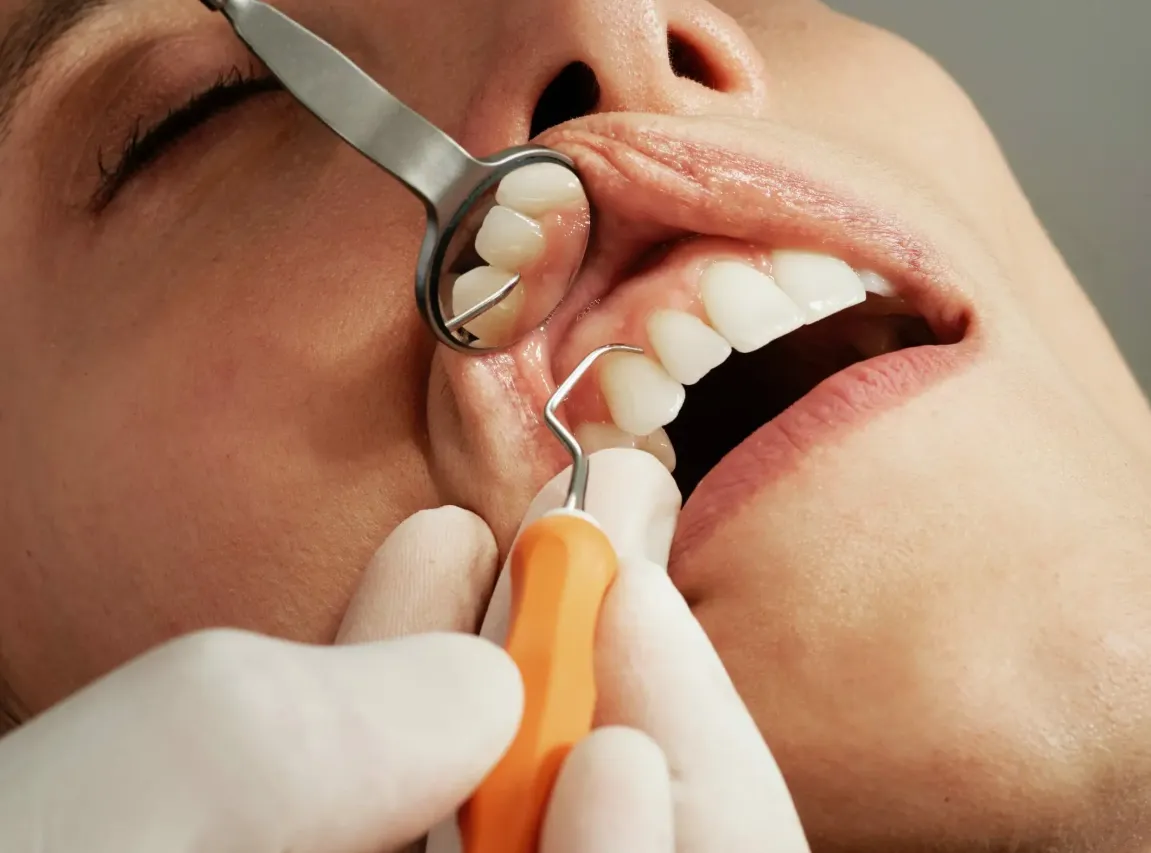
Routine checkups form the base of oral monitoring. You bring your child in. The dentist looks, listens, and measures. Small shifts in teeth and jaws become clear over time.
During these visits, the dentist usually:
- Checks how teeth fit together when your child bites
- Counts teeth and tracks when each tooth comes in or falls out
- Looks for crowding, gaps, or teeth that twist
- Watches jaw movement and notes any clicking or strain
These simple steps help the dentist see patterns. A single visit gives a snapshot. A series of visits gives a clear story of growth. That story guides smart choices.
Research shows that early dental visits lower the risk of decay and pain.
Here is what regular growth checkups can reveal at different ages.
| Age Range | Main Focus | Common Problems Caught Early |
|---|---|---|
| 1 to 3 years | Baby teeth coming in and early bite | Tooth decay, early loss of baby teeth, thumb sucking effects |
| 4 to 7 years | Front adult teeth and jaw growth | Crowding, crossbite, open bite from habits |
| 8 to 12 years | Mixed baby and adult teeth | Impacted teeth, spacing, bite imbalance |
| 13 to 17 years | Full adult teeth and wisdom teeth | Wisdom tooth problems, grinding, jaw pain |
Each visit builds a record. That record helps the dentist decide when to suggest braces, mouth guards, or changes in home care.
2. Dental X‑Rays
Next, dental X‑rays give a view under the surface. The dentist can see roots, bone, and teeth that have not come in yet. That hidden view matters when jaws and teeth shift fast.
Common reasons a dentist uses X‑rays for children include:
- Checking if adult teeth are forming in the right spot
- Finding teeth that are stuck in the bone
- Measuring bone support around teeth
- Looking for cavities between teeth that the eyes cannot see
The dentist reads these images and compares them over time. A tooth that seemed fine last year may now press against another tooth. Early action can prevent pain and avoid more intense treatment later.
Parents often worry about safety. Modern digital X‑rays use very low radiation. A child receives a similar dose from a short airplane flight.
Here is a simple comparison of what the dentist sees with and without X‑rays.
| Without X‑Rays | With X‑Rays |
|---|---|
| Visible tooth surfaces only | Cavities between teeth and under fillings |
| General view of gums | Bone levels and root length |
| Teeth that have already come in | Teeth still inside the bone |
| Guesswork on jaw growth | Measured jaw growth and tooth paths |
This deeper view lets the dentist plan. You avoid surprise problems and rushed choices.
3. Growth Records and Photos
Finally, careful records turn each visit into a step in a long plan. The dentist keeps notes, photos, and sometimes study models of your child’s teeth. These records show a change in a clear way.
Growth records often include:
- Written notes on bite, habits, and pain
- Intraoral photos of teeth and gums
- Profile photos that show jaw position
- Measurements of crowding or spacing
Over months and years, the dentist lines up old and new images. A slight shift that seemed small in one visit may show a strong trend. That trend might point to future crowding or jaw strain.
These records help in three main ways.
- They guide the best time to start or delay braces
- They help track the success of treatment like expanders or aligners
- They give clear proof when a second opinion is needed
You can support this process at home. You can note habits such as thumb sucking, mouth breathing, or teeth grinding during sleep. Then you can share these notes at each visit. The dentist can match your report with the growth records and adjust the plan.
How These Three Tools Work Together
Each tool plays a role. Together, they create strong protection for your child.
- Checkups show how your child uses their teeth each day
- X‑rays show what happens under the surface
- Records and photos show change over time
When all three are used, the dentist can:
- Spot problems before your child feels pain
- Plan shorter and simpler treatment
- Reduce school absences and dental emergencies
Regular care also teaches your child that the dental office is a safe place. Calm visits now reduce fear later. That comfort makes it easier to keep strong habits as an adult.
Next Steps For Your Child’s Oral Growth
You do not need to wait for pain. You can call and set a preventive visit. You can ask three clear questions.
- How is my child’s bite developing
- Do you see any teeth that might cause problems later
- How often should we schedule X‑rays and growth photos
These questions show you care and help the dentist share a simple plan. You and the dentist then work as a team. Your child gains strong teeth, a steady bite, and less fear of sudden dental trouble.