

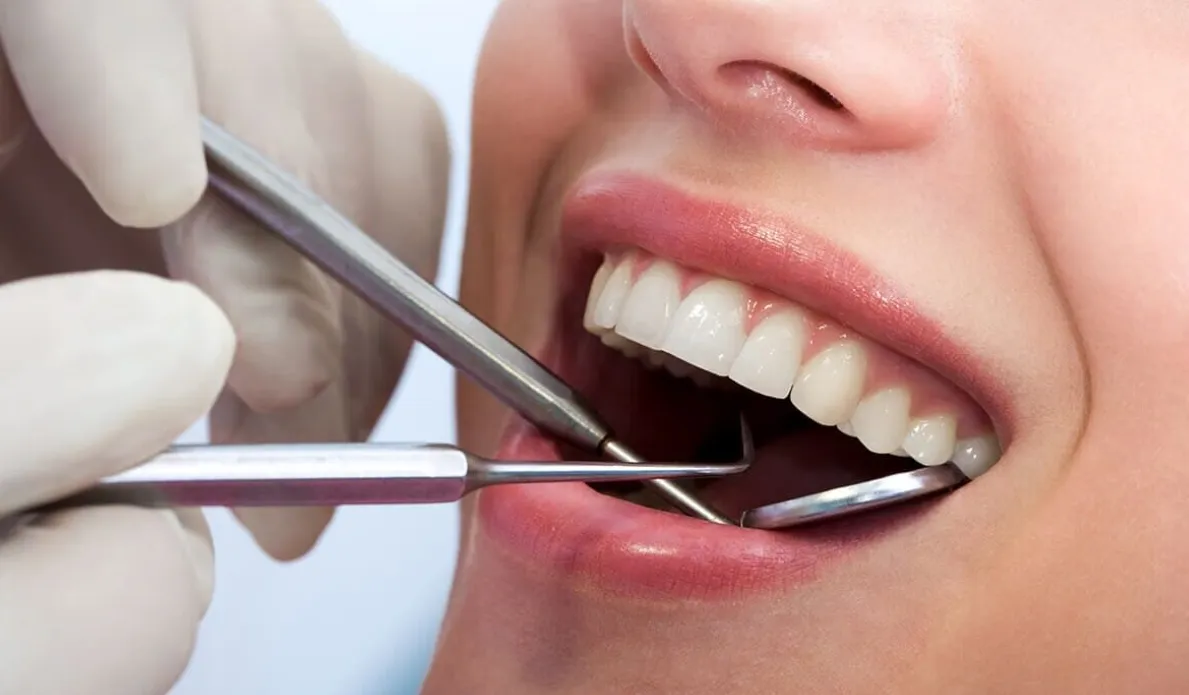
Hidden problems in your mouth can grow quiet and fast. Small changes in your teeth, gums, or bite often start without pain. Then they turn into emergencies. Regular visits with a general dentist in Green Bay, WI give you a strong first line of defense. A general dentist checks more than cavities. They study your gums, jaw, tongue, and throat. They look for early signs of infection, tooth grinding, bone loss, and oral cancer. Early problems cost less, hurt less, and steal less time from your life. Without routine checks, these problems spread. They damage your health, sleep, and confidence. This blog explains four clear reasons general dentistry matters for early detection. You will see how simple visits protect you from hidden danger, support your whole body, and give you control before things get worse.
Contents
1. Routine exams catch quiet problems early
Many mouth problems start small. You often do not feel them. You may brush every day and still miss decay between teeth or just under the gumline.
During a regular exam, your dentist and hygienist:
- Check each tooth for soft spots and cracks
- Measure your gums for early gum disease
- Watch how your teeth fit when you bite
The Centers for Disease Control and Prevention reports that untreated tooth decay affects about one in four adults in the United States. Many of these cavities start with no pain at all.
Early spots of decay need a small filling. Later decay can need a crown or even a root canal. Quiet gum bleeding can turn into loose teeth and tooth loss. A short visit twice a year helps you stay ahead of these changes.
2. X-rays and screenings reveal what you cannot see
Your eyes and a mirror only show part of your mouth. Many dangerous changes hide under the surface. General dentists use simple tools to see deeper.
Common tools include:
- Bitewing X-rays that show cavities between teeth
- Panoramic X-rays that show the jaw, sinuses, and wisdom teeth
- Light and touch exams that screen for oral cancer
The National Institute of Dental and Craniofacial Research notes that oral cancer often starts as small spots or lumps that feel harmless.
These checks matter for three reasons. They reveal bone loss from gum disease. They show infections at the tooth roots before they swell. They also catch cysts or growths that need quick care.
What your dentist can detect early with exams and X-rays
| Hidden problem | How it starts | Found early | Found late |
|---|---|---|---|
| Tooth decay between teeth | Thin layer of softened enamel | Small filling | Large filling or crown |
| Gum disease | Red or bleeding gums | Deep cleaning and home care | Loose teeth and extractions |
| Oral cancer | Tiny patch or lump | Higher chance of cure | Hard treatment and higher risk |
| Jaw bone loss | Subtle change on X-ray | Gum therapy and close checks | Tooth loss and complex surgery |
| Tooth grinding damage | Small chips or wear spots | Night guard | Cracked teeth and jaw pain |
3. General dentistry protects your whole body
Your mouth connects to the rest of your body. Infection in your gums or teeth does not stay in one place. It can strain your heart, blood vessels, lungs, and blood sugar control.
Research links gum disease with a higher risk of heart disease and poor diabetes control. Bacteria from gum infection can enter your bloodstream through swollen gum tissue. This can trigger strong body reactions that wear you down over time.
Your general dentist helps by:
- Checking for gum swelling and deep pockets
- Discussing your health history and medicines
- Coordinating with your medical team when needed
This care is practical for three groups. People with diabetes need gum checks to support blood sugar control. Pregnant people need gum care to lower infection risk. Older adults need mouth checks to help with eating, speech, and balance.
Healthy teeth and gums help you chew, sleep, and speak. They help you eat real food, maintain strength, and stay social. That support protects mental health and self-respect.
4. Regular care prevents sudden crises and high costs
Many dental emergencies build up over months. A tooth that breaks while you eat often has a crack or deep decay long before. A severe toothache often starts as a small cavity.
Routine general dentistry helps you:
- Plan small treatments before they grow
- Avoid late night emergency visits
- Spread costs over time instead of facing one large bill
Think about three common problems. A small cavity caught early may cost little and need one short visit. A deep cavity that reaches the nerve may need root canal treatment, a crown, and more time off work or school. A tooth that cannot be saved can lead to removal and replacement with a bridge or implant.
Regular cleanings also prevent gum disease from reaching a stage where teeth loosen. That stage often needs surgery and can still end in tooth loss. Early care feels calmer and more controlled.
How often should you see a general dentist
Most people need a checkup and cleaning every six months. Some need visits more often. People with gum disease, many fillings, braces, or health conditions like diabetes may need three or four visits a year.
During these visits, you can expect three key steps. Your teeth and gums get cleaned. Your dentist checks for changes since your last visit. You talk about home care, diet, and any pain or worries.
You can support this care at home with three simple habits.
- Brush twice a day with fluoride toothpaste
- Clean between teeth once a day with floss or another tool
- Limit sweet drinks and snacks between meals
Take the next step for your mouth and health
Hidden mouth problems grow in silence. Routine care with a trusted general dentist turns that silence into clear information and early action. You protect your teeth. You guard your heart and body. You also spare yourself from sudden pain and high costs.
If you have not had a checkup in the last year, schedule one soon. Ask questions. Share your health history. Use each visit as a chance to spot trouble before it grows. Your future comfort and strength depend on the choices you make today.