

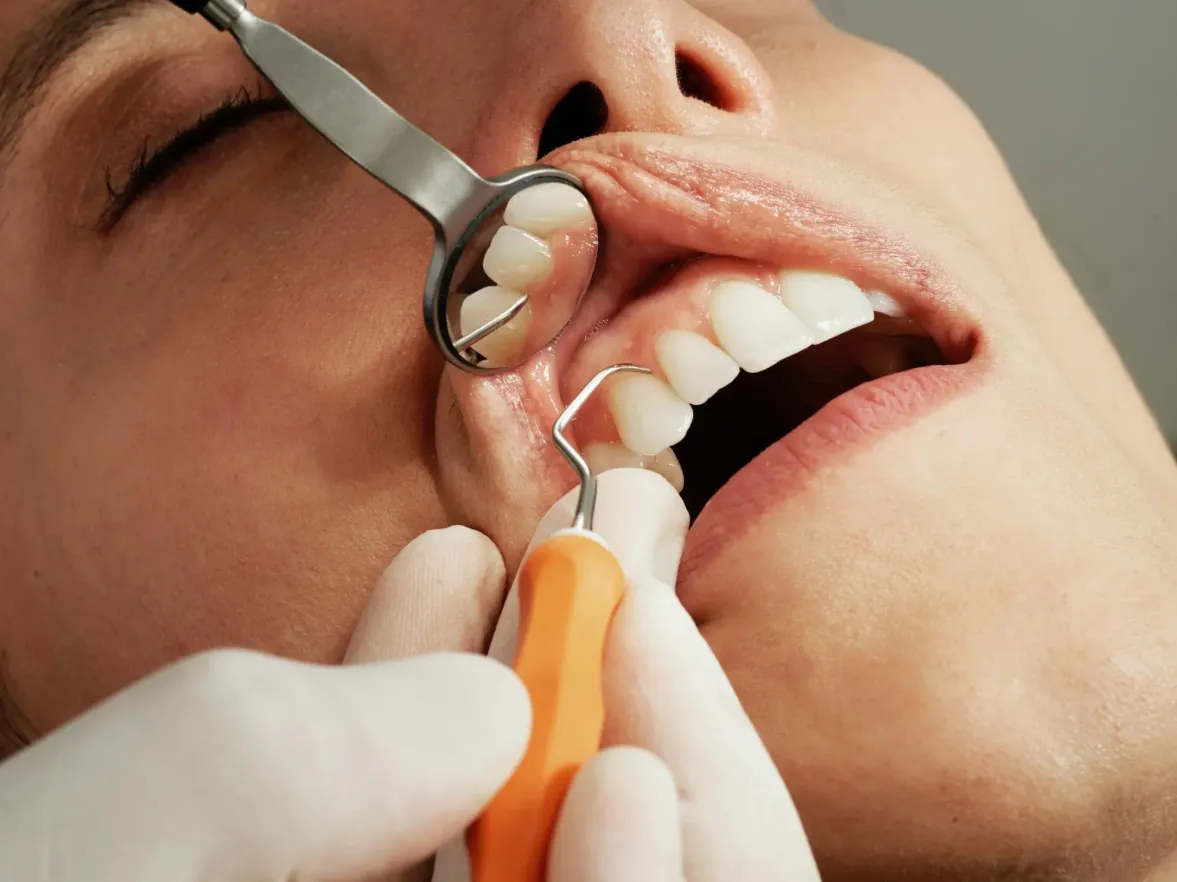
You might be feeling a little uneasy every time you sit in the dental chair. Maybe you brush and floss most days, yet you still hear words like “early decay,” “gingivitis,” or “we need to watch this tooth” from your family dentist in Buckeye AZ. It can feel unfair and confusing. You try to do the right things, but you are never quite sure if it is enough.end
Over time that uncertainty can turn into quiet stress. You might delay appointments, worry about the cost of future treatment, or feel a little guilty when your dentist brings up flossing again. Because of this tension, you might wonder if there is a more proactive way to keep your mouth strong, instead of always reacting when something goes wrong.
The good news is that there is. A general dentist uses several preventive tools that do not just fix problems. They help strengthen your teeth and gums so problems are less likely to start. In simple terms, these tools include fluoride, sealants, professional cleanings, tailored home care advice, protective gear like mouthguards, and early screening technology. Used together, they support stronger enamel, calmer gums, and fewer surprises.
So where does that leave you. You do not need to become a dental expert. You just need to understand what these tools are, why they matter, and how to ask for them. That is what you will find here.
Why do teeth and gums feel weak even when you “do everything right”?
Think about a typical day. Coffee in the morning, a quick snack at your desk, maybe a soda in the afternoon, then dinner and something sweet afterward. Every time you eat or drink, bacteria in your mouth turn sugars into acids. Those acids soften your enamel and irritate your gums. If you are tired at night or rush through brushing, your mouth never quite recovers.
Now add real life. Maybe you have a tight budget and stretch out dental visits. Maybe you have medical issues, dry mouth from medication, or crowded teeth that are hard to clean. Suddenly, even good habits can fall short. Tiny weak spots in enamel can turn into cavities. Slight gum irritation can become bleeding and, later, gum disease.
This is where a preventive dental care plan makes a real difference. Instead of waiting for pain or infection, your dentist uses specific tools to interrupt this cycle. The goal is simple. Make teeth more resistant to acid. Keep plaque from sticking in hard to clean areas. Catch problems when they are still small and easy to treat.
So what are those tools, and how do they actually strengthen teeth and gums.
Tool 1: Fluoride treatments that harden weakened enamel
Fluoride is one of the most effective ways to strengthen teeth. It helps repair early damage in enamel before a full cavity forms. Many dentists apply fluoride as a varnish, gel, or foam at the end of a cleaning, especially for children or adults with a higher risk of decay.
According to the Centers for Disease Control and Prevention, fluoride supports “remineralization” of enamel and makes teeth more resistant to future acid attacks. You can read more about how fluoride works in their overview of fluoride and tooth protection.
If you often get small cavities, have sensitive teeth, or sip on sugary drinks during the day, professional fluoride treatments can be a powerful part of your plan to strengthen your teeth.
Tool 2: Dental sealants that block decay in the grooves
Back teeth have deep grooves that catch food and plaque. Even the best toothbrush can miss those areas. Dental sealants are thin, protective coatings your dentist paints on the chewing surfaces of molars. They act like a shield, so acids and bacteria cannot easily reach the enamel underneath.
The National Institute of Dental and Craniofacial Research explains that dental sealants can greatly reduce the risk of cavities in children and teens, and they can help adults too if the teeth do not already have fillings. Sealants are painless, quick, and can last for years with normal chewing.
If you or your child keep getting cavities in the back teeth, asking your general dentist about sealants is a simple way to strengthen those vulnerable spots.
Tool 3: Professional cleanings that calm inflamed gums
You can brush and floss every day and still have buildup that only professional tools can remove. Plaque that stays on the teeth hardens into tartar, which irritates the gums and creates pockets where even more bacteria can hide. Regular cleanings remove this buildup and give gums a chance to heal.
Many people notice that their gums bleed less and feel less tender after a few consistent visits. In more advanced cases, your dentist may recommend a deeper cleaning to get under the gumline. These steps do not just make teeth feel smooth. They reduce inflammation, which supports stronger, more stable gums over time.
Tool 4: Personalized home care coaching, especially about flossing
Most people already know they should floss, yet it is one of the easiest habits to skip. The problem is that toothbrushes simply cannot clean the tight spaces between teeth. That is where many cavities and gum problems begin.
The American Dental Association offers clear guidance on why daily flossing matters. It removes plaque from areas your brush cannot reach and helps prevent gum disease and bad breath. Your dentist or hygienist can show you how to floss in a way that feels easier and more natural, or suggest alternatives like interdental brushes or water flossers if your hands are sensitive or your teeth are crowded.
This kind of tailored advice is one of the quiet strengths of general dentistry. Small adjustments to your daily routine can multiply the impact of the professional tools used in the office.
Tool 5: Mouthguards and night guards that protect teeth from stress
If you grind or clench your teeth, especially during sleep or stressful times, you may be wearing down enamel without realizing it. Over time this can cause cracks, chips, sensitivity, and even gum recession. A custom mouthguard or night guard from your dentist creates a protective barrier between your teeth.
For athletes, a sports mouthguard cushions blows that might otherwise crack or knock out a tooth. For sleepers who grind, a night guard spreads out the pressure and protects the surfaces of the teeth. This kind of protection does not replace good hygiene, but it keeps strong teeth from breaking under constant stress.
Tool 6: Early screening tools to catch problems while they are small
Modern general dentists often use digital X rays, small cameras, and special tests to spot issues long before you feel pain. Early decay, tiny cracks, early gum disease, or changes in soft tissues can all be seen at a stage when treatment is simpler and less expensive.
When problems are caught early, your dentist can use conservative options like fluoride, sealants, or small fillings instead of waiting until a tooth needs a root canal or crown. This is another way that a strong preventive dental care routine protects both your mouth and your budget.
How do these preventive tools compare to “just brushing at home”?
It might help to see how professional tools and home care work together rather than compete with each other. They are partners, not rivals.
| Approach | What it does well | What it cannot do alone | Best use |
|---|---|---|---|
| Home care only (brushing and flossing) | Removes daily plaque, freshens breath, supports basic gum health | Cannot remove hardened tartar or protect deep grooves, may miss early hidden problems | Foundation for everyone, twice daily brushing plus once daily cleaning between teeth |
| Professional tools only (cleanings, fluoride, sealants) | Strengthens enamel, removes tartar, shields vulnerable areas, detects early issues | Effects fade if daily plaque is not controlled at home | Regular visits, usually every 6 months or as your dentist recommends |
| Combined preventive care | Controls plaque daily and boosts teeth and gums at the office, lowers risk of cavities and gum disease | Still needs your commitment and honest communication about habits and concerns | Ideal approach for long term oral health and fewer urgent visits |
What can you do right now to strengthen your teeth and gums?
1. Schedule a preventive visit and ask about your personal risk
If it has been more than six months since your last checkup, set up a visit with a general dentist. At that appointment, ask specific questions. How high is my risk for cavities and gum disease. Would fluoride, sealants, or a deeper cleaning help in my case. Clear answers will help you build a plan that fits your mouth, not just a generic checklist.
2. Upgrade one small daily habit instead of trying to change everything
You do not need a complete life overhaul. Choose one change that gives the biggest return. For many people, that is adding nightly flossing or switching from sipping sugary drinks all day to limiting them to mealtimes. Commit to that one shift for a month. Small, steady changes often do more for your teeth and gums than short bursts of perfection.
3. Protect your teeth from silent damage at night or during sports
Notice if you wake up with a sore jaw, frequent headaches, or flattened teeth. If you or your child play contact sports, pay attention to chipped or broken teeth in the team. In both cases, ask your dentist if a custom guard is appropriate. This single step can prevent years of wear and more complex treatment later.
Moving forward with more confidence about your oral health
You do not have to live with quiet worry every time you open your mouth for an exam. With the right preventive tools, a general dental care routine can shift from fear of bad news to confidence that you are doing what you reasonably can.
From fluoride and sealants to cleanings, home care coaching, protective guards, and early screening, your dentist has many ways to help strengthen your teeth and gums. Your part is to show up, ask questions, and choose a few practical habits you can sustain.
You deserve a mouth that feels comfortable, teeth that feel strong, and visits that feel calmer because you know you are working with your dentist, not just waiting for the next problem to appear.