

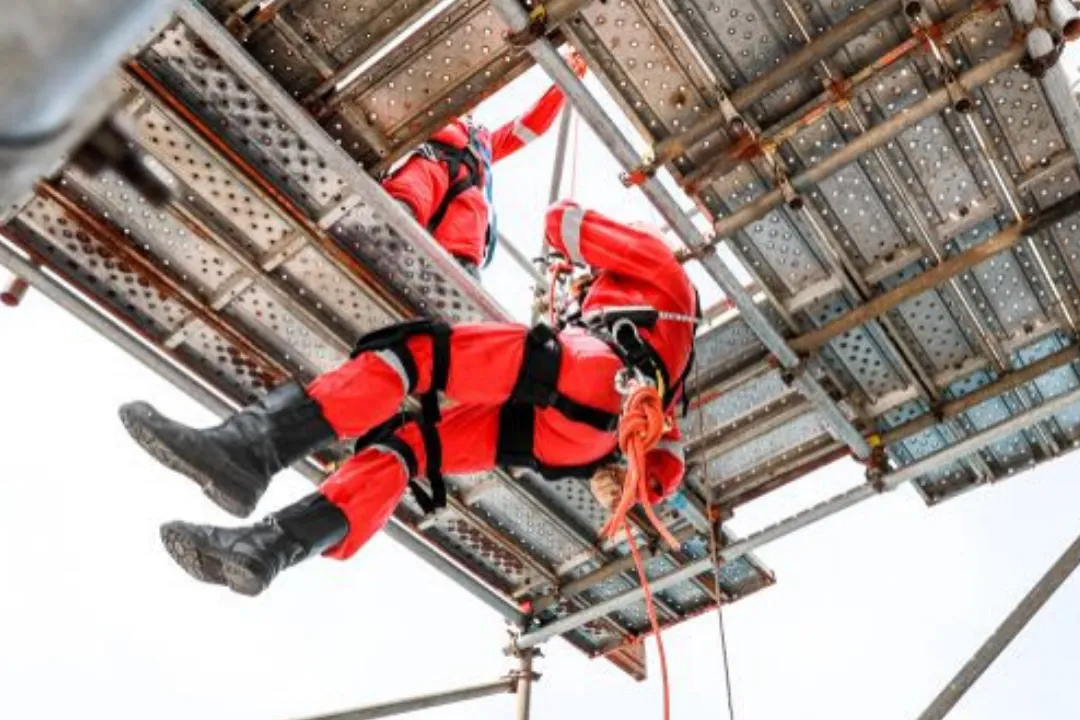
Across industries in Australia, workplace safety is paramount. However, there’s one aspect of occupational hazard prevention that often goes unnoticed – height safety inspections. This crucial element of workplace safety directly affects businesses where employees are expected to work at heights.
Contents
- 1 Understanding the Importance of Height Safety Inspections
- 2 The Necessity of Specialist Inspections
- 3 The Integral Role of Roof Anchor Points
- 4 Frequency of Height Safety Inspections
- 5 The Overlooked Component: Rope Access Cleaning
- 6 Professional Inspection Services
- 7 The Bottom Line for Aussie Businesses
Understanding the Importance of Height Safety Inspections
Height safety inspections serve as a preventative measure to ensure that all safety equipment and procedures are functioning optimally to protect workers operating above ground level. Regular inspections are an integral part of maintaining compliance with Australian safety standards and mitigating risks associated with high-altitude work.
Without proper attention to detail during these inspections, businesses expose themselves to significant risks, from potential accidents to legal repercussions. Neglecting height safety inspections can lead to a false sense of security, putting both employees and the business at risk.
The Necessity of Specialist Inspections
Height safety systems are complex and require specialist knowledge to assess their condition accurately. It is not enough to have a quick glance; each component needs to be meticulously evaluated. Professionals conducting the inspections are trained to spot wear and tear or compliance issues that an untrained eye would likely miss.
These inspections aren’t just a formality; they are also an opportunity to review current safety practices and identify areas for improvement. Businesses must prioritise this to safeguard their workers and operations.
The Integral Role of Roof Anchor Points
In ensuring the safety of workers operating at height, the condition and reliability of roof anchor points are pivotal. These points serve as the foundation for fall arrest systems and must be able to withstand the forces exerted during a fall. During a roof anchor point inspection, a certified inspector evaluates their strength, stability, and compliance with regulations.
An overlooked or outdated roof anchor point can become the weakest link in the safety chain, leading to devastating consequences in the event of an accident. Therefore, it is vital to include them in the regular inspection regime.
Frequency of Height Safety Inspections
Regulations mandate the frequency of height safety inspections, which generally should occur annually. The nature of the work environment and frequency of safety equipment usage may dictate more frequent checks. It’s critical that these inspections are noted in safety records, as they might be crucial in the event of a workplace incident.
Height safety equipment is continually subjected to the elements and mechanical stress, which can potentially compromise its integrity. Regular inspections help identify issues before they evolve into safety hazards.
The Overlooked Component: Rope Access Cleaning
Whilst discussing height safety, an element to consider is rope access cleaning. Its importance extends beyond the aesthetic benefit of a clean facade. Rope access technicians are often required to navigate complex safety systems to access hard-to-reach areas.
Just as with any high-altitude operation, the safety measures implemented for rope access cleaning need to be scrutinised during height safety inspections. Not only does this ensure the technician’s protection, but it also maintains the integrity of the building structure they are maintaining.
Professional Inspection Services
Businesses should engage with reputable height safety professionals who offer a comprehensive suite of inspection services. These experts are adept at conducting thorough evaluations, offering guidance on compliance, repairs, replacements, and improving overall safety protocols.
Having a regular schedule with a trusted service provider not only ensures compliance but can provide peace of mind that the highest safety standards are upheld.
The Bottom Line for Aussie Businesses
Underestimating the importance of height safety inspections is a risk that Australian businesses cannot afford to take. Investing in routine inspections is not just about ticking a box; it’s about actively preventing accidents and ensuring the longevity of safety systems. From the foundational roof anchor points to specialty rope access operations, every element needs to be diligently examined.
For businesses where working at height is commonplace, prioritising these checks and maintaining rigorous safety practices can mean the difference between a routine day and a catastrophic incident. Understanding the demands of operating at heights, Australian business leaders must recognise height safety inspections as a crucial investment in their operational integrity and employee welfare.
Height safety inspections are the hidden linchpin in the safety strategy of any business requiring high-altitude work. They must be integral to the culture of safety within a company, woven into regular maintenance schedules, and upheld with the seriousness they deserve.
It is intrinsic for organisations to rise above mere compliance – fostering an environment where safety is not just observed but ingrained. This commitment protects not just the people within the organisation but also the longevity and reputation of the business itself.