

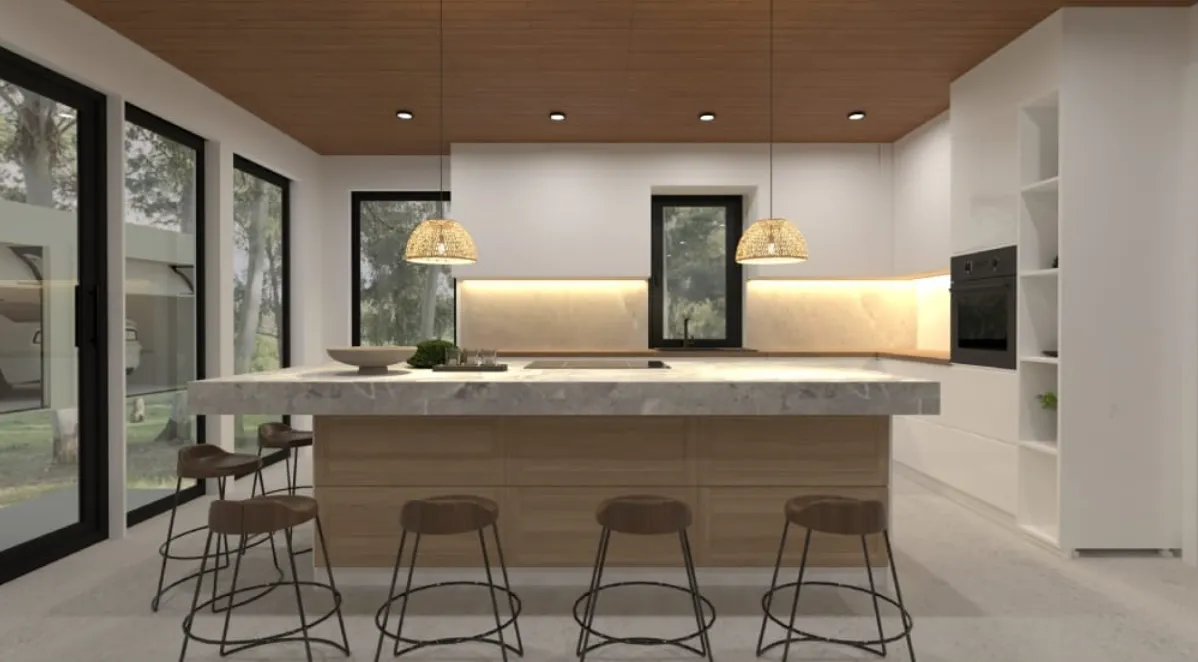
Designing a kitchen is one of the most impactful decisions a homeowner can make. Unlike other rooms, the kitchen blends function, comfort, and style into one hardworking space. It’s where meals are prepared, conversations happen, and routines take shape. Because of its importance, careful planning is essential. That’s where a kitchen design tool becomes incredibly valuable.
Rather than relying solely on imagination or rough sketches, modern planning methods allow homeowners to visualize their ideas with accuracy. A kitchen design tool provides structure to creativity, helping individuals explore possibilities while staying grounded in practicality. The result is a more efficient, organized, and personalized kitchen space.
Turning Vision Into Clarity
It’s easy to collect inspiration from magazines or online galleries. However, translating inspiration into a real, workable layout can be challenging. Measurements, proportions, and spatial limitations often complicate even the most exciting ideas.
A kitchen design tool bridges that gap by converting concepts into realistic layouts. Users can input room dimensions, window placements, and door locations to create an accurate digital representation of their space. From there, they can experiment with cabinetry, islands, appliances, and seating arrangements.
Seeing a layout visually reduces guesswork. Instead of wondering whether an island will feel cramped or whether cabinets will fit comfortably, homeowners can evaluate these elements before any construction begins.
Supporting Better Layout Decisions
The layout is the backbone of a functional kitchen. Poor planning can lead to inefficient movement, limited counter space, or awkward traffic flow. A kitchen design tool helps users test multiple configurations and determine which layout best suits their needs.
For example, adjusting the placement of the stove, sink, and refrigerator can dramatically influence workflow. The ability to move these components virtually allows users to identify a layout that feels intuitive and convenient.
In busy households, traffic patterns matter just as much. A design tool makes it easier to visualize how people will move through the space. This is particularly important for open-concept homes where the kitchen blends with living or dining areas.
Maximizing Every Inch of Space
No matter the size of the kitchen, efficient use of space is crucial. Smaller kitchens require creative storage solutions, while larger ones need thoughtful organization to avoid feeling empty or disjointed.
A kitchen design tool allows users to test cabinet depths, drawer configurations, and shelving arrangements. This planning stage helps ensure that pots, pans, utensils, and pantry items all have designated places.
For corner cabinets or narrow spaces, digital planning can reveal opportunities that might otherwise be overlooked. By experimenting with storage layouts virtually, homeowners can optimize functionality without physical trial and error.
Aligning Design With Budget
Budget considerations are a natural part of any renovation project. While creativity fuels design ideas, financial awareness ensures those ideas remain realistic. A kitchen design tool can help users better understand the scope of their plans.
When homeowners see the entire layout mapped out, they can prioritize elements that matter most. Perhaps countertop space is a higher priority than decorative features. Or maybe storage upgrades take precedence over aesthetic details.
Having a complete visual plan makes it easier to allocate resources wisely. It reduces impulsive decisions and provides a clearer roadmap for implementation.
Encouraging Confidence in Decision-Making
Renovation decisions can feel overwhelming. Choosing materials, layouts, and configurations without seeing how they fit together often leads to uncertainty. A kitchen design tool builds confidence by providing a clearer picture of the final result.
Being able to test different design scenarios removes much of the anxiety associated with permanent changes. Users can experiment with layout adjustments, compare configurations, and refine details before committing.
This sense of control makes the design process more enjoyable and less stressful.
Improving Communication and Collaboration
Kitchen projects often involve collaboration between homeowners, family members, and professionals. Clear communication is essential to ensure that everyone shares the same vision.
A kitchen design tool creates a visual reference point that all parties can discuss. Instead of describing ideas verbally, individuals can point to specific elements within the digital layout.
This clarity minimizes misunderstandings and ensures that design decisions are intentional rather than accidental.
Saving Time During Renovation
Unexpected adjustments during construction can lead to delays and added costs. Many of these issues stem from incomplete planning. By thoroughly mapping out the design in advance, homeowners can reduce surprises.
A kitchen design tool helps identify potential challenges early in the process. For instance, spacing issues or insufficient counter areas can be corrected before installation begins.
This proactive approach not only saves time but also contributes to a smoother renovation experience.
Planning for Long-Term Use
A kitchen should serve its household well into the future. Needs may evolve due to lifestyle changes, family growth, or aging considerations. A kitchen design tool allows users to plan with longevity in mind.
Wider walkways, adaptable seating, and flexible storage solutions can be incorporated into the design from the start. Considering future needs during the planning stage prevents costly modifications later.
Thoughtful preparation ensures that the kitchen remains both practical and comfortable over time.
Enhancing Creativity Without Risk
Perhaps one of the most enjoyable aspects of using a kitchen design tool is the freedom to explore. Users can test bold layouts, alternative cabinet placements, or unconventional configurations without real-world consequences.
Because changes are digital, experimentation carries no risk. This creative flexibility often leads to innovative solutions that might not have emerged through traditional planning methods.
Design becomes a process of discovery rather than a series of stressful decisions.
Conclusion
A kitchen is more than just a room—it is a dynamic space that supports daily living. Designing it thoughtfully requires attention to detail, creativity, and careful planning. A kitchen design tool provides the structure needed to bring all these elements together.
From improving layout efficiency and maximizing storage to supporting budget planning and long-term usability, this tool plays a vital role in successful kitchen design. By turning ideas into clear visual plans, it empowers homeowners to create kitchens that are both functional and deeply personal.
In the end, using a kitchen design tool isn’t simply about technology—it’s about making smarter, more confident choices that lead to a space where life unfolds naturally and comfortably.