

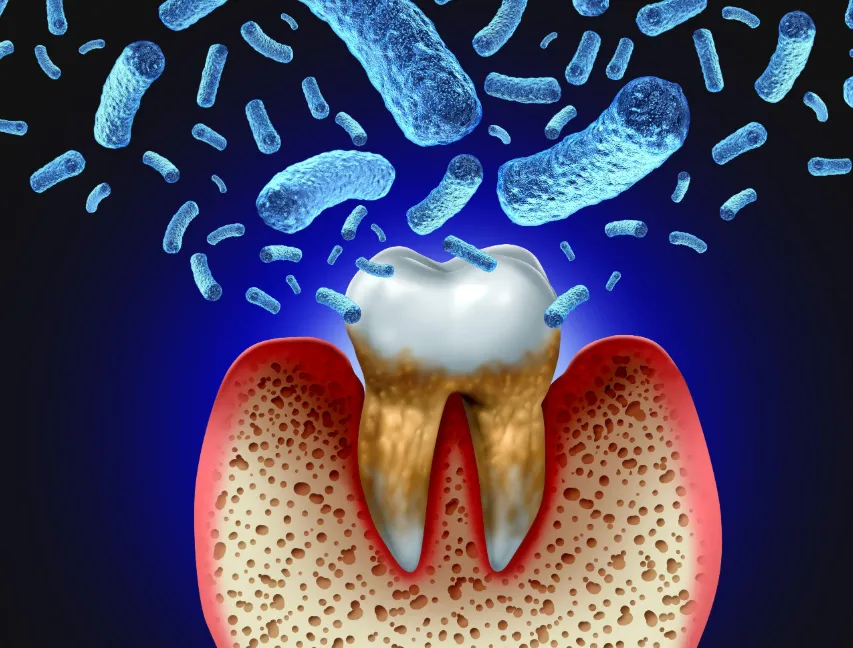
Your mouth does not stay in your mouth. It affects your heart, blood sugar, lungs, and even pregnancy. Current oral‑systemic health research shows that bleeding gums often signal silent body problems. It also shows that routine cleanings and checkups lower risks for stroke and heart attack. You may see a dentist in Riverside, CA for a simple cleaning. Yet that visit can uncover high blood pressure, diabetes, or early infection. New studies guide how your care team now counts gum pockets, tracks inflammation, and shares reports with your doctor. These steps are not extra. They are now part of basic prevention. This blog explains how science on teeth and body health changes simple habits. It also shows what to ask at your next visit, how to prepare, and when to push for answers. Your daily brushing now connects to your long-term health.
How your mouth links to your body
Gums and teeth sit close to your blood supply. When gums bleed, mouth bacteria and byproducts can enter your blood. That triggers body-wide inflammation. Over time, this strain can lead to heart disease, stroke, and poor blood sugar control.
Research from the National Institute of Dental and Craniofacial Research connects gum disease with heart disease and diabetes. It shows three clear patterns.
- People with untreated gum disease have a higher risk of heart problems.
- People with diabetes get gum disease more often and heal more slowly.
- Pregnant people with poor oral health have a higher risk of early birth and low birth weight.
You feel this link in daily life. Bleeding when you floss is not normal. Chronic bad breath, loose teeth, or sore chewing can signal deeper harm to your body, not just your smile.
What research changes in your daily care
Oral‑systemic research shifts routine care from “teeth cleaning” to “whole body check.” Your visit now aims to protect three things. Your mouth. Your chronic conditions. Your future health.
During a visit, your dental team often:
- Checks blood pressure before treatment.
- Reviews your medicines for side effects like dry mouth or bleeding.
- Measures gum pockets to track early bone loss.
- Asks about sleep, snoring, smoking, and alcohol use.
- Looks for mouth signs of reflux, sleep apnea, or immune problems.
Each step comes from research that links mouth signs to hidden disease. A dry, red tongue can reflect poor nutrition. White patches can warn of infection. Loose teeth can signal long-term diabetes strain on blood vessels and bone.
Simple daily habits that matter most
Science now supports a short list of habits that protect both mouth and body. These are simple yet strong.
- Brush twice a day with fluoride toothpaste.
- Clean between teeth once a day with floss or small brushes.
- Use an alcohol free mouth rinse if your dentist suggests it.
- Drink water instead of sweet drinks.
- Limit tobacco and nicotine products.
- Plan regular dental visits based on your risk, not the calendar.
For some, “regular” means every six months. For others with diabetes, heart disease, or past gum surgery, research supports visits every three to four months. Your risk, not your age, guides that plan.
Key oral‑systemic links at a glance
The table below sums up how gum disease connects with common health problems and how better mouth care helps.
| Health condition | Research link with gum disease | What better oral care can do |
|---|---|---|
| Heart disease and stroke | Higher rates of clogged arteries and stroke in people with gum disease | Lower inflammation, fewer bacteria in blood, fewer events over time |
| Diabetes | Poor gum health linked with higher A1C levels | Improved blood sugar control after gum treatment |
| Pregnancy | More early births and low birth weight with untreated gum disease | Better birth outcomes with early cleanings and treatment |
| Respiratory illness | Mouth bacteria can be breathed into lungs | Lower risk of some lung infections with cleaner mouths |
| Older adult frailty | Tooth loss linked with poor diet and weakness | Better chewing, nutrition, and strength with saved teeth |
Questions to ask at your next visit
Research only helps when you use it. Clear questions turn a quick visit into a real health check. You can bring this short list.
- “Do my gums show any signs of ongoing inflammation?”
- “How does my mouth health affect my heart or blood sugar?”
- “How often should I come in based on my risk?”
- “Can you show me spots I keep missing when I brush or floss”
- “Should my primary doctor know anything from this visit?”
You can also share any new diagnoses or medicines. Research shows that strong care comes when your dentist and primary doctor share facts. Many health systems now support that link through shared records guided by studies on oral‑systemic health.
How to prepare for a research-informed visit
A little planning helps your dentist use current science for your care. Before you go, write down:
- All medicines and supplements.
- Any heart, lung, or blood sugar diagnoses.
- Pregnancy or plans for pregnancy.
- Any bleeding with brushing or flossing.
- Changes in taste, dry mouth, or mouth sores.
You can bring recent lab results. For example, your A1C level if you have diabetes. Research supports tighter gum care when blood sugar runs high. That planning gives your dentist a clear picture.
Where to learn more
The science behind oral‑systemic health grows every year. For plain language guides, you can review:
- Centers for Disease Control and Prevention on gum disease and health
- National Institute of Dental and Craniofacial Research on diabetes and oral health
These sources share data on risks, warning signs, and care steps for families and caregivers.
Turning research into daily choices
Oral‑systemic research does not ask for perfect habits. It asks for steady ones. Two minutes of focused brushing. One daily session of flossing. Regular visits that fit your risk. Honest talks with your care team.
Each choice lowers silent inflammation and protects your heart, brain, lungs, and blood sugar. You do not need complex tools. You need clear facts, simple routines, and a care team that treats your mouth as part of your body. That is how research becomes real prevention for you and your family.