

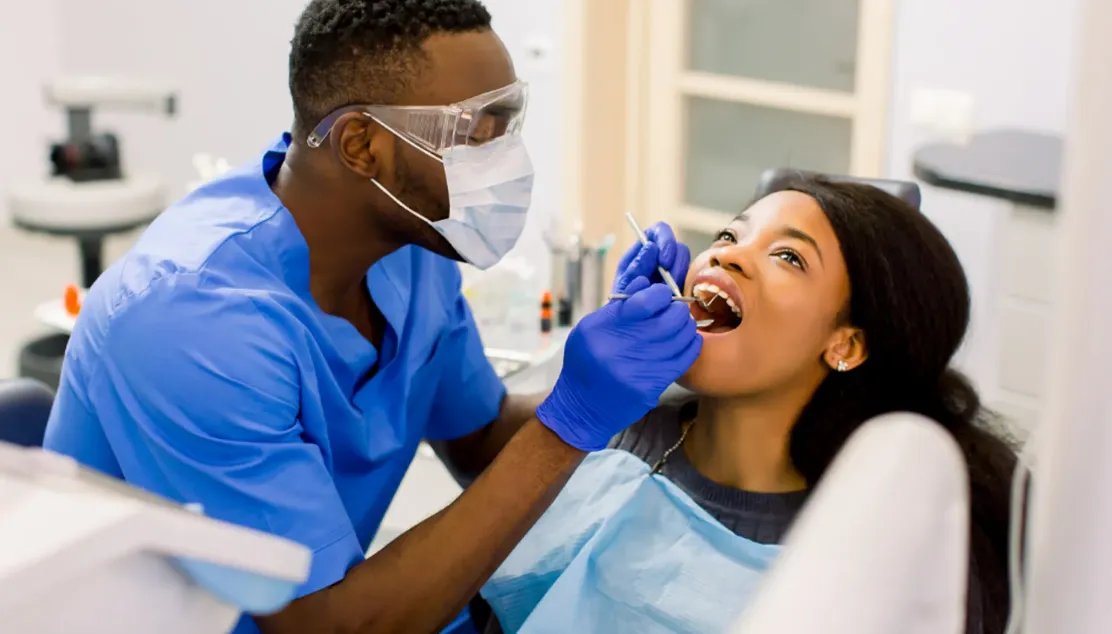
Your mouth tells a story that is only yours. You bring your own history, fears, habits, and pain. A one size fits all plan does not protect you. You need care that matches your life. General dentistry now focuses on you as a whole person. You sit in the chair. The team studies your teeth, gums, diet, and daily routine. Then you work together. You set clear goals. You choose what feels possible. This approach respects your time, money, and limits. It also lowers your risk of decay, infection, and tooth loss. A dentist in Long Island, NY can use simple tools to build a plan that fits your needs. That plan may change as your life changes. Age, stress, medicine, and illness can all affect your mouth. You deserve a plan that adjusts with you and protects your smile.
Why one plan does not fit every mouth
Your teeth face different threats than your neighbor’s teeth. You may drink soda. Your child may snack at night. Your partner may grind teeth during sleep. Each habit changes what your mouth needs.
General dentistry looks at three key parts of your life.
- Your health history
- Your daily routine and diet
- Your comfort level and fears
First, your health history matters. Diabetes, heart disease, pregnancy, and dry mouth raise the risk of gum disease and decay. The Centers for Disease Control and Prevention links poor mouth health to other body problems. So your plan must match your medical story.
Second, your routine shapes your risk. If you snack all day, sugar stays on your teeth. If you smoke, your gums suffer. If you play sports, your teeth face hits and falls. You need a plan that fits those real choices, not an ideal life that no one lives.
Third, your comfort and fear guide how fast you move. Some people can handle long visits. Others need short, simple steps. A good plan respects both styles.
How your dentist builds your personal plan
Your visit starts with questions and exams. The team listens more than they talk. Then they use what they see and hear to shape a clear path.
Most plans follow three simple steps.
- Check
- Clean
- Protect
During the check step, the dentist looks for early signs of trouble. They use mirrors, light, and sometimes X rays. The National Institute of Dental and Craniofacial Research explains that decay starts small and grows over time. So early checks matter.
During the clean step, the hygienist removes plaque and tartar. You talk about brushing and flossing. You share what feels hard. The team suggests small changes, not long lectures. You leave with clear tips you can use that day.
During the protect step, you choose tools that match your risk. That is where your plan becomes your own.
Common preventive tools and how they change by patient
Many patients use the same tools. The difference is how often and how strong. Your dentist adjusts the mix for your mouth.
| Tool | Low risk patient | High risk patient |
|---|---|---|
| Checkup visits | Every 12 months | Every 3 to 4 months |
| Professional cleanings | Once or twice a year | Three or four times a year |
| Fluoride use | Standard toothpaste | Prescription toothpaste or in office gel |
| Dental sealants | For some children | For most children and some adults |
| X rays | Every 2 to 3 years | Every year or as needed |
| Night guard | Often not needed | Used for grinding or jaw pain |
You may move from one column to the other over time. Stress, new medicine, or pregnancy can raise your risk. Better habits can lower it. Your dentist tracks these shifts and edits your plan.
Plans for children, adults, and older adults
Age changes your mouth. So a strong plan for a child looks different from a strong plan for a grandparent.
For children, the focus stays on growth and habits. The plan often includes sealants on new molars. It also uses simple lessons on brushing, flossing, and snacks. Short visits keep fear low and trust high.
For working adults, time and stress become the main challenge. The plan may group cleanings with lunch breaks or early morning slots. It may include night guards for grinding and advice on stress relief. It may also address coffee, wine, and tobacco stains.
For older adults, the plan must face dry mouth, gum loss, and past dental work. Medicines can slow saliva. Old fillings can crack. Gums can pull back and expose roots. Your plan may call for more fluoride, more visits, and help with dentures or bridges.
How your daily choices shape your plan
Your dentist cannot brush for you at home. Your plan only works if it feels real and simple. So you and your dentist need clear agreements.
You can focus on three daily actions.
- Brush twice a day with fluoride toothpaste
- Clean between teeth once a day
- Limit sugary drinks and snacks
If flossing feels hard, you can ask about picks or small brushes. If brushing at night feels easy to forget, you can set an alarm. If you drink soda, you can try to keep it with meals and use water between cans.
Your dentist can then match your plan to those choices. If you cannot cut sugar right now, you may need more fluoride and more cleanings. If you smoke and are not ready to quit, your dentist can watch your gums and screen for cancer more often.
Working with fear, pain, and past trauma
Many people avoid the dentist because of past hurt. A personal plan must honor that pain. You can start by telling the team what scares you most. It may be needles, sounds, or feeling judged.
The team can respond with three supports.
- Clear, simple explanations
- Short, planned breaks
- Step by step treatment over time
You might start with a quick exam and no cleaning. You might use music or hand signals to pause. You might spread treatment across many short visits. Each success then builds trust. Over time your plan can grow stronger as your fear shrinks.
Your plan is a living document
Your preventive plan is not a fixed contract. It is a living guide that grows with you. Life changes. Teeth change. Habits change. Your dentist reviews your plan at each visit and adjusts it with you.
You do not need a perfect mouth to deserve careful, personal care. You only need a body, a story, and a wish to protect your health. Your dentist brings skill. You bring honesty and effort. Together you build a plan that fits your real life and guards your smile for years.