

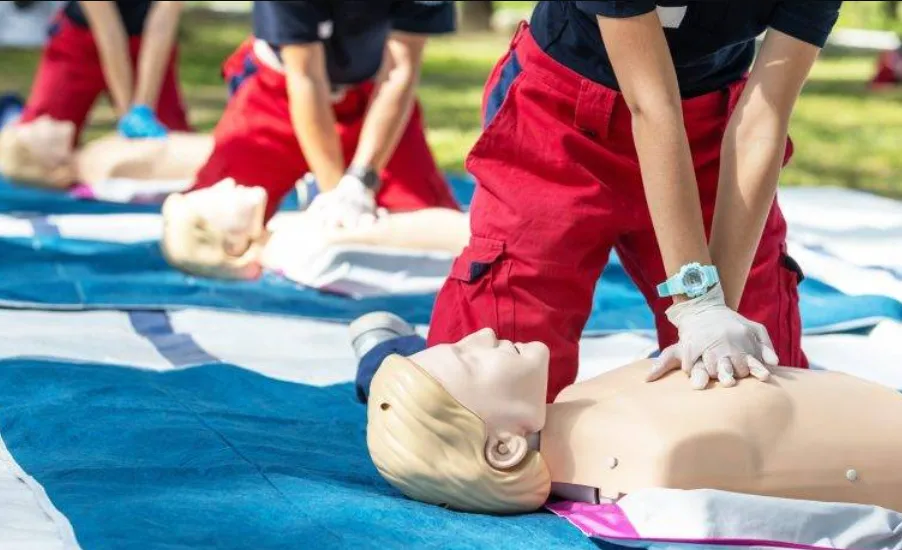
First aid training is a crucial component in maintaining safety and reducing risks within professional environments. Workplaces are dynamic spaces where accidents and medical emergencies can occur unexpectedly, regardless of the industry. Employees equipped with first aid knowledge are better prepared to respond quickly and effectively, minimizing the severity of injuries and potentially saving lives. This proactive approach not only fosters a safer work culture but also helps organizations comply with health and safety regulations. By investing in first aid training, businesses demonstrate a commitment to employee well-being and create a more resilient and responsive workforce.
The impact of first aid training at work
Building a safer workplace culture
A strong workplace safety culture is built on the foundation of preparedness and awareness. First aid training empowers employees to recognize hazards, respond to emergencies, and support one another during critical moments. When staff members are trained in first aid, they become more vigilant about potential risks and are more likely to take preventive measures to avoid accidents. This heightened sense of responsibility extends beyond individual actions, fostering a collective commitment to safety throughout the organization. As employees gain confidence in their ability to handle emergencies, they contribute to a positive work environment where everyone feels valued and protected. This cultural shift not only reduces the likelihood of incidents but also enhances overall morale and productivity.
Immediate response to workplace emergencies
The ability to respond immediately to workplace emergencies can make a significant difference in outcomes. In many cases, the first few minutes following an accident or medical incident are critical. Trained employees can provide essential care, such as controlling bleeding, managing shock, or performing CPR, before professional medical help arrives. This rapid intervention can prevent minor injuries from becoming severe and can even be the deciding factor between life and death. For organizations located near busy areas, such as those seeking CPR training near Lime Ridge Mall, having staff trained in first aid ensures that help is always close at hand. Quick and effective responses not only protect employees but also reduce downtime and disruption to business operations.
Reducing workplace liability and compliance risks
Employers have a legal and ethical responsibility to provide a safe working environment. First aid training plays a vital role in fulfilling this obligation by ensuring that staff are prepared to handle emergencies in accordance with health and safety regulations. When employees are trained to respond appropriately, the risk of mishandling incidents is significantly reduced, which can help protect the organization from potential legal claims and financial liabilities. Regulatory bodies often require certain levels of first aid preparedness, and failure to comply can result in penalties or reputational damage. By prioritizing first aid training, businesses demonstrate due diligence and a proactive approach to risk management, which can also enhance their standing with clients, partners, and regulatory agencies.
Enhancing employee confidence and morale
When employees know that their workplace prioritizes safety and that their colleagues are trained to assist in emergencies, it fosters a sense of security and trust. This assurance can lead to higher job satisfaction and improved morale, as staff feel valued and cared for by their employer. Confident employees are more likely to engage fully in their work, knowing that their well-being is a priority. This positive atmosphere can also encourage open communication about safety concerns, leading to continuous improvements in workplace practices. Ultimately, investing in first aid training is an investment in the people who drive the success of the organization.
First aid training as a business investment
First aid training is not just a regulatory requirement; it is a strategic investment that yields long-term benefits for businesses. By equipping employees with life-saving skills, organizations can reduce the frequency and severity of workplace incidents, leading to fewer lost workdays and lower insurance costs. The presence of trained first aiders can also reassure clients and visitors, enhancing the company’s reputation for safety and responsibility. Over time, the cumulative effect of a safer workplace can translate into increased productivity, reduced turnover, and a stronger organizational culture. Businesses that prioritize first aid training position themselves as responsible employers who value the health and safety of their workforce.
The role of first aid in emergency preparedness
First aid training is a key component of comprehensive emergency preparedness plans. In addition to responding to accidents and medical emergencies, trained employees can assist during larger incidents such as fires, natural disasters, or chemical spills. Their ability to provide immediate care and coordinate with emergency services can help mitigate the impact of such events and ensure a more organized response. This preparedness extends beyond the workplace, as employees often carry their skills into their communities, contributing to public safety. By integrating first aid training into emergency planning, organizations can enhance their resilience and ability to recover from unexpected events.
First aid training and employee retention
Employees are more likely to remain with organizations that demonstrate a genuine commitment to their well-being. Offering first aid training as part of professional development shows that the company values its staff and is willing to invest in their safety. This can be a deciding factor for job seekers and current employees alike, contributing to higher retention rates and a more stable workforce. In competitive industries, the ability to attract and retain skilled employees is a significant advantage. First aid training not only equips staff with valuable skills but also reinforces the organization’s reputation as a responsible and caring employer.
Conclusion
First aid training is a vital element in reducing risks and promoting safety within professional environments. By empowering employees with the knowledge and confidence to respond to emergencies, organizations create a culture of preparedness and care that benefits everyone. The immediate and long-term advantages of first aid training extend beyond compliance, influencing employee morale, business reputation, and overall operational resilience. Investing in first aid training is a proactive step that demonstrates a genuine commitment to health and safety, ensuring that workplaces are equipped to handle the unexpected and protect their most valuable asset—their people.