

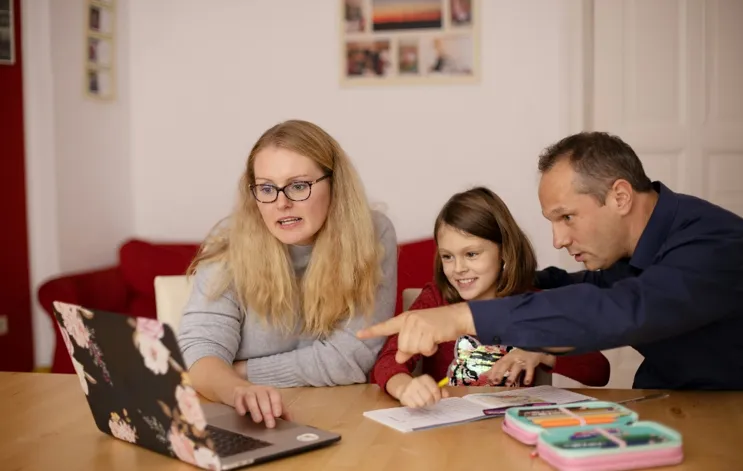
Heading back to the classroom as a parent once felt like a quiet impossibility. Between school pickups, dinner routines, and the steady rhythm of raising a family, carving out space for personal education seemed out of reach for most. Yet a growing number of mothers and fathers are finding practical ways to rewrite that script. They are earning degrees, sharpening their skills, and moving their careers forward without turning the household upside down. The shift has less to do with sacrificing family time and more to do with reshaping how that time is used.
What makes this possible is a combination of thoughtful planning, honest conversations at home, and learning formats that have finally caught up with the reality of modern parenting. Returning students are not choosing between their children and their goals. They are choosing both and making it work.
Why Flexible Learning Has Changed the Game
The traditional idea of going back to school meant rearranging an entire life around a campus schedule. For parents juggling work shifts, school drop-offs, and bedtime routines, that model simply did not fit. Things have shifted in meaningful ways over the last several years, with universities rethinking how adult learners actually live.
Parents already holding a master’s degree often reach a point where they want to push their careers further, move into school leadership, or deepen their expertise in areas like administration, curriculum design, and educational research. That next step calls for something advanced yet manageable alongside a full life at home. The Northwest Missouri State University offers online EDS programs that speed up the journey to career milestones, featuring challenging coursework delivered by the same respected faculty teaching in campus classrooms, all within a schedule built around demanding lives.
Talking It Through at Home Before Anything Else
Long before the first assignment arrives, the most important step happens at the kitchen table. A candid conversation with a partner or older children can make the whole experience smoother. Parents who succeed tend to walk their families through what the coming months will actually look like.
That includes quieter evenings, the occasional weekend tucked away with textbooks, and small shifts in who handles what around the house. When everyone knows what to expect, resentment has far less room to grow. Kids, even younger ones, often surprise their parents by rising to the occasion once they understand what is happening.
Building a Study Routine That Respects Family Rhythms
Time management becomes the quiet hero of the journey. Parents who make steady progress usually find pockets of time that used to slip by unnoticed. Early mornings before the house wakes up, a stretch of focused work during a child’s nap, or a quiet hour after bedtime can add up to real academic progress. The key is consistency rather than long marathon sessions that leave everyone drained.
Protecting family time matters just as much as protecting study time. Weekends with the kids, dinner together, and the little traditions that hold a household together should not disappear. Many returning students find that setting firm boundaries around schoolwork actually makes them more present when they are off the clock. Closing the laptop at a set hour each evening is a small habit with a big payoff.
Leaning on a Support Network Without Guilt
No parent gets through this alone, and the ones who try often burn out fastest. Accepting help is part of the strategy, not a sign of falling short. A spouse taking on more of the cooking, a grandparent picking up the kids once a week, or a friend stepping in during exam season can make the difference between finishing strong and stalling out halfway. Support does not always need to come from family, either. Other returning students going through the same thing can offer advice, encouragement, and a sense that the long nights are not being pulled alone.
Guilt tends to sneak in anyway, especially for parents used to being the ones doing the giving. Reframing the pursuit as something that ultimately benefits the family can help push that feeling aside. A parent who grows professionally often brings home more stability, more opportunity, and a stronger sense of purpose.
Celebrating the Small Wins Along the Way
Long journeys need markers, and returning parents benefit enormously from pausing to notice progress. Finishing a tough paper, passing a midterm, or wrapping up a demanding semester deserves acknowledgment. Involving the family in these moments turns them into shared victories rather than solo achievements tucked away in an inbox. A simple dinner out, a movie night, or even a homemade card from the kids can mark the milestone in a way that keeps motivation alive.
The return to school is rarely a straight line for a parent, but it is becoming a well-worn path for millions who once thought the door had closed. With flexible formats, open communication at home, and a realistic sense of pacing, the pursuit of further education no longer means stepping away from family life. It means bringing the family along for a journey that reshapes what is possible for everyone under the roof.