

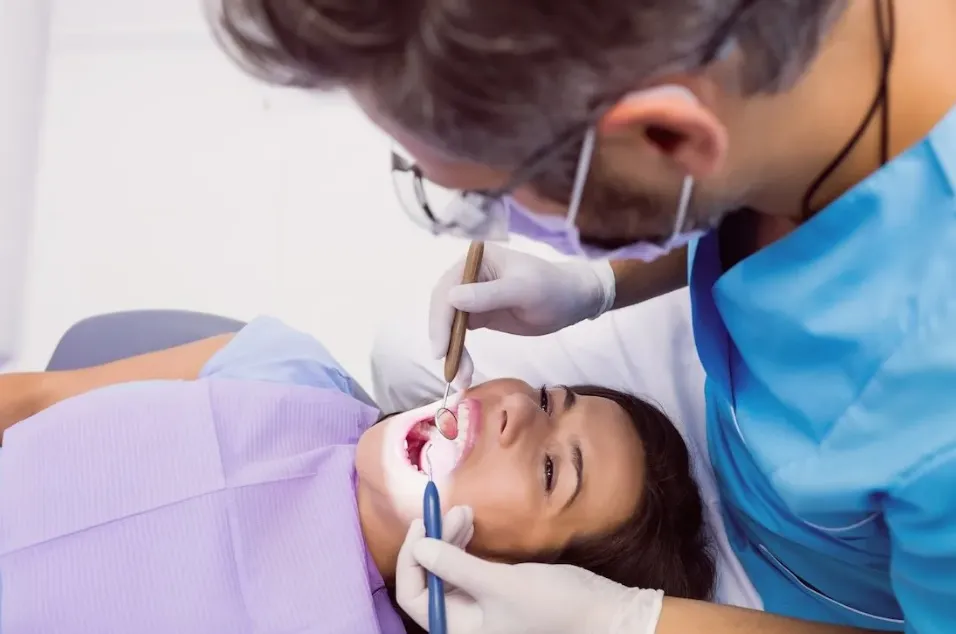
Your mouth tells the truth about your health. Small problems grow fast when you ignore them. Regular care keeps pain, expense, and fear away. Preventive dentistry protects you before trouble starts. It guards your teeth, gums, and body. It keeps your smile strong at every age. A dentist in Chillicothe OH can guide you through simple steps that work. These steps do not require special tools or complex routines. They need steady habits and smart choices. This blog explains four services that keep preventive dentistry at the center of your oral wellness. You will see how cleanings stop decay early. You will see how exams catch warning signs. You will see how sealants and fluoride protect weak spots. Each service builds on the others. Together, they create a shield. You deserve a calm mouth, steady health, and clear answers about how to protect both.
1. Professional cleanings that reset your mouth
Home brushing and flossing matter. Still, they cannot remove every sticky layer that clings to teeth. That layer hardens into tartar. You cannot brush tartar off. Only a trained team can remove it with special tools.
During a routine cleaning, the hygienist does three key things.
- Scrapes away plaque and tartar from teeth and along the gumline
- Polishes the tooth surface so new plaque sticks less
- Reviews your brushing and flossing and shows simple fixes
The Centers for Disease Control and Prevention reports that almost half of adults have some form of gum disease. Many do not feel pain until it is serious. Cleanings strip away the buildup that feeds this disease. They also give the dentist a clear view of the gums.
Routine cleanings help you:
- Lower the chance of cavities and gum infection
- Cut down on bad breath
- Protect dental work like fillings and crowns
For most adults and children, a cleaning every six months works well. If you have diabetes, past gum disease, or many cavities, you may need cleanings more often.
2. Dental exams that catch silent warning signs
Cleanings and exams often happen in the same visit. The cleaning removes buildup. The exam looks for change. Both are essential.
During an exam, the dentist:
- Checks each tooth for soft spots, cracks, or wear
- Looks at your gums for swelling, bleeding, or recession
- Reviews your tongue, cheeks, and throat for sores or color change
- May use X-rays to see decay between teeth or under fillings
The National Institute of Dental and Craniofacial Research notes that untreated decay can lead to infection and tooth loss. Exams find decay when a small filling can fix it. That prevents root canals, extractions, and more costly procedures.
Exams also protect more than your mouth. Some health problems show up first in your gums or jaw. These can include:
- Diabetes
- Immune system problems
- Sleep breathing problems
When the dentist spots a concern early, you can talk with your medical team sooner. That often means less pain and less money spent.
3. Dental sealants that block kids’ cavities
Children and teens often struggle to clean their back teeth. The chewing surfaces of molars have deep grooves. Food and germs hide there. Brushes miss them. That is why molars get cavities more often.
Sealants act like a shield over those grooves. The material flows into the tiny pits. Then it hardens into a thin, clear layer. You cannot feel it when you bite.
The steps are quick and simple.
- The tooth is cleaned and dried
- A gentle gel roughens the surface for better hold
- The gel is rinsed, and the tooth is dried again
- The sealant is painted on and cured with a light
Sealants work best on permanent molars soon after they come in, usually between ages 6 and 12. They can also help some adults with deep grooves or high cavity risk.
Sealants and untreated molars in school-age children
| Group | Chance of decay in first molars | Typical cost per tooth |
|---|---|---|
| With sealants | About 3 in 10 | Low one time cost |
| Without sealants | About 5 in 10 or more | Higher cost for fillings and possible crowns |
Many public health programs help cover sealants for children. Some schools host sealant days. Ask your dentist if your child qualifies.
4. Fluoride that strengthens weak spots
Fluoride is a natural mineral. It helps rebuild tooth enamel. It also slows down the germs that cause decay. When you use fluoride each day, you give your teeth a steady repair kit.
You get fluoride in three main ways.
- Community water with added fluoride
- Toothpaste with fluoride
- Professional fluoride treatments in the dental office
Office treatments use a stronger level than toothpaste. They come as foam, gel, or varnish. The dentist paints or places it on your teeth for a short time. Then you avoid food or drink for a little while so it can soak in.
Fluoride helps:
- Children as their teeth form
- Teens with many snacks or soda
- Adults with dry mouth from medicine
- Older adults with gum recession and root exposure
When you combine fluoridated water, fluoride toothpaste, and office treatments, you cut your risk of cavities. That means fewer fillings and a lower chance of pain.
How these four services work together
Each service protects your mouth in a different way. Together, they give a strong, steady defense.
- Cleanings remove what you cannot reach
- Exams find problems before they flare up
- Sealants protect the most cavity-prone teeth
- Fluoride repairs weak spots and hardens enamel
When you keep regular visits, your dentist can adjust these services as your life changes. Children, pregnant people, and older adults all face different risks. Regular care lets your plan shift with you.
Taking your next step
You do not need perfection. You need a simple plan you can keep. Start with three steps.
- Schedule your next cleaning and exam
- Ask if you or your child would benefit from sealants
- Review your fluoride use at home
Small, steady choices protect your mouth from silent damage. When preventive dentistry stays at the center of your routine, you avoid many urgent visits. You also protect your comfort, your budget, and your confidence every time you speak, eat, or smile.