

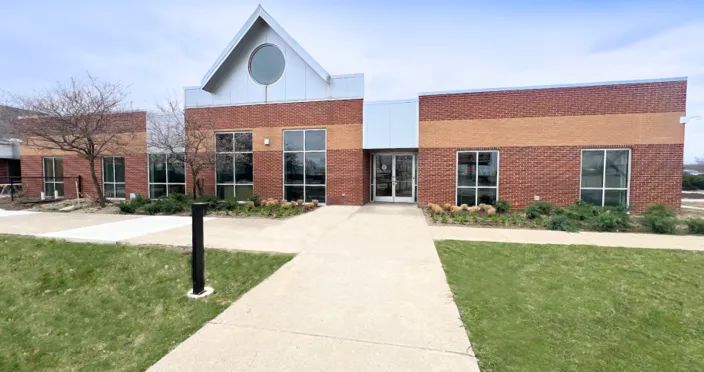
Struggling with alcohol dependence can be an isolating, painful experience. Whether you or a loved one is facing this challenge, seeking help through professional alcohol rehab can be the most important step toward a healthier, more fulfilling life. With evidence-based treatment methods, compassionate care, and personalized recovery plans, alcohol rehab centers play a critical role in helping individuals break free from addiction and reclaim control of their lives.
In this article, we explore the realities of alcohol addiction, the transformative power of rehab, and why early intervention matters.
Contents
- 1 Understanding Alcohol Addiction
- 2 Key Signs of Alcohol Addiction Include:
- 3 Why Alcohol Rehab Is Essential?
- 4 Benefits of professional alcohol rehab include:
- 5 Types of Alcohol Rehab Programs
- 6 What Happens During Alcohol Rehab?
- 7 How Long Does Alcohol Rehab Last?
- 8 Choosing the Right Alcohol Rehab Center
- 9 The Cost of Alcohol Rehab
- 10 The Role of Family in Recovery
- 11 The Journey Doesn’t End with Rehab
- 12 Why Touchstone Recovery Center?
- 13 Conclusion!!
Understanding Alcohol Addiction
Alcohol addiction, also known as Alcohol Use Disorder (AUD), is a chronic condition characterized by an inability to control drinking despite adverse consequences. It’s not just about drinking too much—it’s about how alcohol interferes with one’s brain, behavior, relationships, and daily life. In the journey towards sobriety, having access to the right support system is crucial. Many individuals find solace and guidance through the expertise of drug and alcohol recovery specialists in Portland. These professionals offer personalized treatment plans that address the unique needs of each individual, fostering an environment of understanding and compassion.
Key Signs of Alcohol Addiction Include:
- Drinking more or longer than intended
- Unsuccessful efforts to cut back
- Cravings and strong urges to drink
- Neglecting responsibilities at work, school, or home
- Continued use despite interpersonal issues
- Developing tolerance and withdrawal symptoms
AUD can affect anyone—regardless of age, gender, income, or background. But no matter how severe it gets, recovery is always possible with the right support.
Why Alcohol Rehab Is Essential?
Many people try to stop drinking on their own but find themselves relapsing due to overwhelming cravings, emotional triggers, or untreated mental health issues. That’s why professional alcohol rehab is crucial. It offers structured support, medical supervision, therapy, and relapse prevention strategies that are proven to work.
Benefits of professional alcohol rehab include:
- Safe detox and withdrawal management
- Dual diagnosis treatment (mental health + addiction)
- Counseling and trauma therapy
- Family involvement and education
- Long-term recovery planning
- Support from peers who understand
Without rehab, the cycle of addiction often repeats, leading to worsening health, damaged relationships, job loss, legal problems, or worse.
Types of Alcohol Rehab Programs
Different individuals need different types of care. Alcohol rehab centers typically offer a range of programs designed to meet patients where they are in their recovery journey.
1. Inpatient / Residential Alcohol Rehab
This is the most intensive level of care. Clients live at the treatment facility and receive round-the-clock support, daily therapy sessions, medical monitoring, and a fully immersive recovery experience. It is ideal for those with severe addiction or co-occurring disorders.
2. Outpatient Rehab
Outpatient programs allow clients to live at home while attending treatment sessions several times a week. It offers more flexibility but is best suited for individuals with a strong support system and less severe addiction.
3. Partial Hospitalization Programs (PHP)
PHPs offer a middle ground between inpatient and outpatient treatment. Patients receive intensive therapy during the day but return home in the evening.
4. Intensive Outpatient Programs (IOP)
IOPs provide a structured program of group and individual therapy several days a week. These are often a step-down from residential care and focus on relapse prevention.
What Happens During Alcohol Rehab?
Each alcohol rehab program will vary depending on the facility and the individual’s unique needs. However, most programs include the following core components:
1. Initial Assessment & Intake
Upon admission, medical and clinical staff evaluate the individual’s physical health, mental health, addiction history, and treatment goals. This ensures a personalized plan of care.
2. Medical Detox
Withdrawal from alcohol can be dangerous, even life-threatening, without supervision. Symptoms like tremors, seizures, hallucinations, and delirium tremens require medical management in a safe environment.
3. Therapy & Counseling
- Individual Therapy: Helps clients uncover the root causes of addiction.
- Group Therapy: Builds connection and accountability through shared experiences.
- Family Therapy: Addresses strained relationships and educates loved ones about addiction.
4. Mental Health Support
Many people with AUD also struggle with depression, anxiety, trauma, or PTSD. Dual diagnosis treatment is critical to long-term recovery success.
5. Holistic & Life Skills Training
Many rehabs offer additional therapies such as:
- Yoga or mindfulness
- Nutrition counseling
- Vocational training
- Art or music therapy
These programs help clients rebuild their lives from the ground up.
6. Aftercare & Relapse Prevention
Rehab doesn’t end when treatment is complete. Ongoing support through alumni programs, sober living, and therapy ensures continued success.
How Long Does Alcohol Rehab Last?
Rehab duration varies based on individual needs, but common timelines include:
- 30-day programs – Short-term intensive treatment
- 60-day programs – A more in-depth approach with time for healing
- 90-day programs – Comprehensive recovery and strong relapse prevention
- Extended care – For those needing long-term support and stability
Research consistently shows that longer stays in treatment correlate with better outcomes.
Choosing the Right Alcohol Rehab Center
Not all rehabs are the same. When selecting a program, consider the following:
- Accreditation and licensing
- Experience with alcohol-specific treatment
- Availability of dual diagnosis support
- Client-to-staff ratio
- Post-treatment support options
- Insurance coverage or financing options
Take time to ask questions and tour the facility if possible. A good rehab should make you feel safe, understood, and supported.
The Cost of Alcohol Rehab
The cost of alcohol rehab can range widely based on location, amenities, program type, and length of stay. While some luxury rehabs charge tens of thousands per month, there are also nonprofit centers, sliding-scale options, and insurance-covered programs.
Many insurance providers cover alcohol rehab under behavioral health services. Talk with the admissions team at your chosen facility to understand your benefits and options.
The Role of Family in Recovery
Alcohol addiction doesn’t just affect the person drinking — it impacts everyone around them. Rebuilding family trust and communication is a key part of the healing process.
Family involvement in treatment leads to:
- Higher retention rates
- Better emotional support
- Reduced relapse risk
Rehab centers often offer family education, therapy, and support groups to help rebuild bonds and move forward together.
The Journey Doesn’t End with Rehab
Recovery is a lifelong commitment. After completing alcohol rehab, staying engaged in aftercare is vital.
Ways to maintain sobriety after treatment:
- Attend 12-step or peer support groups (e.g., AA, SMART Recovery)
- Continue therapy or counseling
- Build a sober support network
- Develop new hobbies or goals
- Avoid triggers and high-risk situations
Remember, relapse doesn’t mean failure. It’s an opportunity to reassess and strengthen your recovery plan.
Why Touchstone Recovery Center?
Touchstone Recovery Center provides compassionate, customized treatment plans rooted in clinical excellence and whole-person healing. Their team understands the complex nature of addiction and mental health and is dedicated to walking alongside each individual as they reclaim their future.
Start your journey at their trusted alcohol rehab program today.
Conclusion!!
Alcohol addiction is powerful—but so is the human spirit. With professional care, supportive environments, and proven therapeutic approaches, long-term recovery is entirely within reach.
Whether you’re taking the first step or supporting someone on their path, remember: help is available, and healing is possible.