

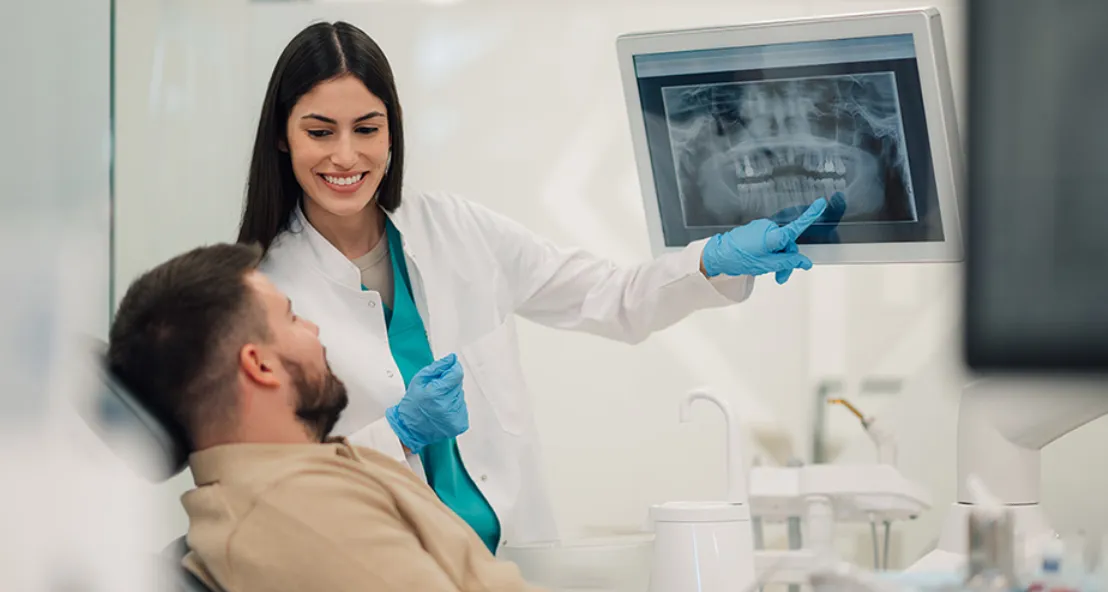
Strong teeth help you eat, speak, and stay independent as you age. When your mouth hurts, everything feels harder. You may avoid certain foods. You may smile less. You may feel alone. General dentistry gives you steady support so you can keep your teeth strong and your body steady. A family dentist in Scarsdale, NY can check your mouth, clean your teeth, and spot small problems before they grow. Regular visits help you manage dry mouth, worn teeth, gum problems, and old fillings. Each visit also gives you clear steps you can use at home. You learn how to brush, floss, and protect your teeth with simple tools. Over time, this routine lowers pain, cuts emergency visits, and helps you stay in control of your health. Your teeth carry your history. They also shape your future strength.
Contents
- 1 Why Senior Teeth Need Special Care
- 2 The Role Of General Dentistry For Seniors
- 3 Common Services That Help Protect Senior Teeth
- 4 How Often Should Seniors See A Dentist
- 5 Dry Mouth, Medicines, and Cavities
- 6 Gum Health And Whole Body Health
- 7 Comparison Of Home Care And Professional Care
- 8 Working Around Mobility Or Memory Limits
- 9 Protecting Teeth With Diet And Daily Habits
- 10 Staying Independent With Strong Teeth
Why Senior Teeth Need Special Care
Age changes your mouth. Teeth can wear down. Gums can pull back. Saliva can slow down. Many common medicines dry the mouth. That dryness raises the risk of cavities and infection.
General dentistry helps you face three main threats
- Tooth decay from dry mouth and older fillings
- Gum disease from plaque and hard tartar
- Tooth loss from long-term infection and bone loss
These problems do more than hurt your mouth. The Centers for Disease Control and Prevention explains that poor oral health in older adults is linked to heart disease and diabetes.
The Role Of General Dentistry For Seniors
General dentists act as your first line of defense. They do three main things for seniors
- Prevent problems before they start
- Find issues early
- Treat damage in a simple way
Routine visits give your dentist a clear view of changes in your mouth. Small warning signs can show up long before you feel pain. That early view lets your dentist use simple treatments instead of complex ones.
Common Services That Help Protect Senior Teeth
General dentistry uses a set of basic services that work well for seniors
- Regular exams to check teeth, gums, tongue, and bite
- Professional cleanings to remove plaque and tartar
- X-rays to see hidden decay and bone changes
- Fillings to fix cavities
- Crowns to protect worn or cracked teeth
- Dentures or bridges to replace missing teeth
- Night guards to protect teeth from grinding
Cleanings and exams are the base. Fillings, crowns, and dentures build on that base.
How Often Should Seniors See A Dentist
The American Dental Association urges regular dental visits for adults. Many seniors do best with at least two visits each year. Some need three or four.
Your dentist will set a schedule based on three things
- Your current oral health
- Your medical history and medicines
- Your ability to clean your teeth at home
If you have diabetes, dry mouth, gum disease, or many fillings, you may need more frequent visits. Short, frequent visits feel easier than long emergency visits.
Dry Mouth, Medicines, and Cavities
Dry mouth is common in older adults. Many heart, blood pressure, allergy, and mood medicines slow saliva. Saliva protects your teeth. It washes away food and helps fight acid from germs.
General dentists help you manage dry mouth with three steps
- Review your medicine list and talk with your doctor if needed
- Suggest mouth rinses, gels, or sugar-free gum
- Increase the number of cleanings and fluoride treatments
These steps lower cavity risk and ease burning or sore feelings in the mouth.
Gum Health And Whole Body Health
Gum disease often grows slowly and quietly. Gums may bleed a little. Teeth may feel loose. Breath may smell bad. Many people think this is normal with age. It is not.
General dentists clean below the gumline and teach you how to brush and clean between teeth in a simple way. Healthy gums help you chew and speak. They also support your heart and blood sugar control.
Comparison Of Home Care And Professional Care
| Type of care | What it includes | How often for seniors | Main benefit |
|---|---|---|---|
| Home care | Brushing, flossing, mouth rinse | Twice daily brushing. Once daily cleaning between teeth | Removes soft plaque each day |
| Professional cleaning | Scaling, polishing, gum checks | Every 3 to 6 months | Removes tartar and checks for disease |
| Dental exam | Teeth, gums, bite, oral cancer screen | Every 6 to 12 months or as advised | Finds problems early |
| X rays | Pictures of teeth and bone | Every 1 to 3 years or as needed | Shows hidden decay and bone loss |
Working Around Mobility Or Memory Limits
Some seniors face trouble with movement, vision, or memory. General dentists can adjust care in three simple ways
- Shorter visits scheduled at the best time of day
- Clear printed instructions for you and your caregiver
- Simple tools such as wide handled brushes or floss holders
If you care for a senior, you can help by keeping a list of medicines, noting any changes in eating or speech, and staying during visits to hear the plan.
Protecting Teeth With Diet And Daily Habits
Strong teeth need more than cleaning. They also need smart daily choices. Three habits make a strong base
- Limit sweet drinks and snacks between meals
- Drink water through the day
- Use fluoride toothpaste every time you brush
General dentists can suggest small diet changes that match your health needs and your budget. Simple swaps can protect teeth without taking away all treats.
Staying Independent With Strong Teeth
Teeth affect more than your smile. They affect your strength, your social life, and your sense of control. General dentistry helps you keep your own teeth as long as possible. Even if you already wear dentures, regular care protects your gums and jawbone.
You deserve to eat the foods you enjoy, speak with clear words, and share a steady smile. Regular visits with a trusted general dentist give you that chance. Each visit is one more step toward steady health, less pain, and more freedom in your daily life.