

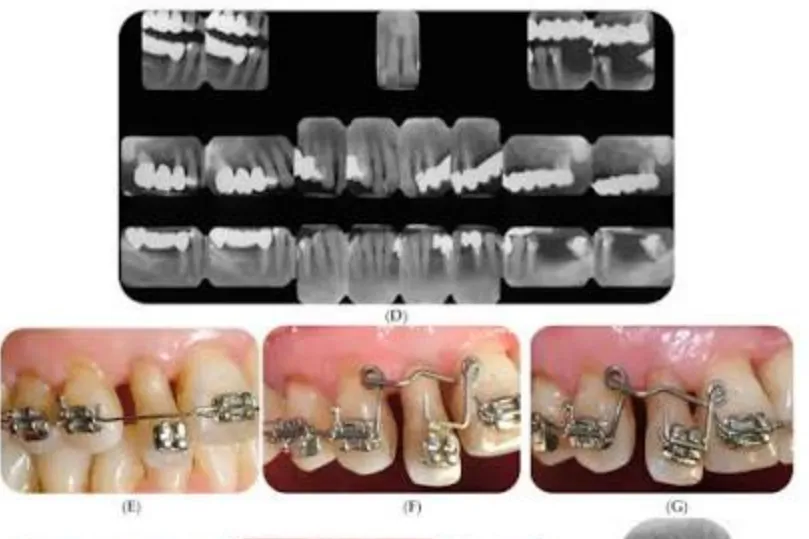
You might be feeling a mix of excitement and worry right now. Maybe you are planning braces or clear aligners, or you are thinking about veneers, bonding, or implants to improve your smile. At the same time, a dentist has mentioned gum disease, bone loss, or receding gums, and suddenly the plan that felt simple now feels complicated. A Periodontist in Minneapolis, MN can help you navigate these concerns and protect your oral health.
It can feel unfair. You just want straighter teeth or a brighter smile, yet now you are hearing about specialists, bone support, and gum health. You might even be wondering whether all this extra care is really necessary, or if someone is just adding more cost and more appointments to your life.
Here is the simple truth. Orthodontic and cosmetic dentistry work best when the foundation is healthy. A periodontist and implant dentist focuses on your gums and the bone that support your teeth. When that foundation is strong, your aligners track better, your cosmetic work lasts longer, and your smile not only looks good, it stays that way.
So the big picture is this. A periodontist protects and repairs the “support system” for your teeth. That support system is what allows orthodontic treatment and cosmetic procedures to be safer, more predictable, and more stable over time.
Why does gum and bone health matter so much before cosmetic or orthodontic work?
Think of your teeth as the visible part of a house and your gums and jawbone as the foundation. You can repaint the walls or change the windows, but if the foundation is cracked, the problems keep coming back. That is exactly what happens when cosmetic or orthodontic treatment ignores periodontal health.
For example, if you have undiagnosed gum disease, your gums may be inflamed and your bone may already be thinning. If you move teeth quickly with braces or aligners on that weak support, you increase the risk of loose teeth, gum recession, and even tooth loss. The cosmetic result might look fine at first, but it can fail far sooner than it should.
Because of this tension between what you want now and what will last, you might wonder whether you should pause cosmetic plans until your gums are in better shape. That is exactly where periodontal support for orthodontic and cosmetic treatment becomes so important.
A periodontist can:
- Identify early gum disease that might not hurt yet but is already damaging bone.
- Stabilize your gums before teeth start moving.
- Plan gum contouring or grafting so your final smile line looks natural and balanced.
- Place implants in the right position and with enough bone so they look and function like real teeth.
If you are unsure where your gum health stands, learning about basic oral hygiene from trusted sources, such as this guide to everyday mouth and gum care, can give you a clearer starting point.
What problems can happen if orthodontic and cosmetic work ignore periodontal care?
It often starts quietly. Maybe your teeth are a bit crowded, your gums bleed sometimes when you floss, and you are focused on getting your teeth straighter. You begin aligner treatment, your teeth move, and you are happy with the look. Then, a year or two later, you notice your teeth look longer, the gums have pulled back, and you feel sensitivity to cold.
Here is what might have happened. The teeth were moved through bone that was already compromised by gum disease. The movement added more pressure. The thin bone and inflamed gums could not keep up. The result was gum recession and more exposure of the roots. Now you may need gum grafting, and the cosmetic work you paid for needs to be repaired or repeated.
In another scenario, someone loses a tooth and wants a fast cosmetic fix. They ask for a bridge or a quick implant. If the bone in that area is already thin or infected, placing an implant without periodontal planning can cause the implant to fail or look out of place. The gum line might end up uneven, or the tooth may appear too long or too short compared with its neighbors.
These problems are not just cosmetic. They affect chewing, comfort, and long term oral health. They also affect finances. Repairing damage almost always costs more than doing careful planning at the start with a periodontist and implant dentist involved in the team.
So where does that leave you if you already feel overwhelmed by choices and costs. It means you deserve a plan that protects you from surprise problems later. A periodontist’s role is to reduce those surprises by making sure your gums and bone can safely support the changes you want.
How do periodontists and implant dentists work with orthodontists and cosmetic dentists?
When things are done thoughtfully, your providers work as a team. Each brings a different focus.
- The orthodontist focuses on how to move your teeth into a healthier position.
- The cosmetic dentist focuses on how your teeth will look, including shape, color, and proportion.
- The periodontist focuses on the health and shape of your gums and the quality of the bone underneath.
For example, before braces or aligners, the periodontist can treat gum disease, smooth infected root surfaces, and make sure there is enough bone support. During orthodontic treatment, they can monitor areas at higher risk of recession. After treatment, they can reshape or graft gums to create a balanced, natural gum line before veneers or bonding are placed.
For implants, the periodontist evaluates bone thickness and height, plans any bone grafting, and chooses the implant position so that when the cosmetic dentist places the final crown, it emerges from the gum in a natural way, not too far forward or back.
You do not have to manage all of this alone. Your role is not to become an expert in gum disease or implant angles. Your role is to ask the right questions and make sure your team is talking to each other.
Comparing “just cosmetic” care with periodontal-guided treatment
It can help to see the difference between going straight into cosmetic or orthodontic work and including periodontal care as part of the plan.
| Approach | Short term experience | Risks over time | Typical benefits |
|---|---|---|---|
| Cosmetic or orthodontic care without periodontal evaluation | Fewer appointments at the start. Faster move into braces, aligners, veneers, or implants. | Higher risk of gum recession, bone loss, loose teeth, implant failure, and uneven gum lines. More repairs later. | Improved appearance at first, but stability is uncertain. |
| Cosmetic or orthodontic care with periodontal planning | More careful assessment at the beginning. Possible gum treatment or grafting before cosmetic work starts. | Lower risk of complications. Better support for teeth and implants. Healthier gums around cosmetic restorations. | Results that look natural and are more likely to last, with healthier gums and bone. |
Research on gum disease shows that untreated inflammation can quietly damage bone over years. Expert discussions, such as those in this resource on questions about gum disease and its impact, highlight how often people underestimate these risks until problems are advanced.
Three steps you can take now to protect your smile plans
1. Ask for a periodontal evaluation before starting cosmetic or orthodontic treatment
Before you commit to braces, aligners, veneers, or implants, ask your dentist for a full gum and bone assessment. That may include measuring pocket depths around your teeth and reviewing recent X rays. If there are signs of gum disease, request a referral to a periodontist. This does not mean you cannot move forward. It simply means you will move forward safely.
2. Be honest about symptoms, even if they feel small
Tell your providers if your gums bleed when you brush, if you notice bad breath that does not go away, or if any teeth feel a bit loose or sensitive. These small signs can be early warnings. When your team knows about them, they can adapt your plan, for example by treating gum disease first or adjusting how quickly teeth are moved. This can significantly improve outcomes for any periodontal and implant treatment that may be part of your care.
3. Protect your investment with daily home care and regular maintenance
Even the best specialist cannot protect your smile without your help at home. Brush twice a day with fluoride toothpaste. Clean between your teeth with floss or interdental brushes. Keep every recommended cleaning and checkup, especially after cosmetic or orthodontic work is complete. Periodontal maintenance visits help keep your gums stable so your orthodontic and cosmetic results last.
Moving forward with more clarity and less fear
You are not wrong for wanting straighter, whiter, more confident teeth. You also are not overreacting if you feel cautious when you hear about gum disease or bone loss. Those feelings are normal. They simply mean you care about both the look and the health of your smile.
By including a periodontist and implant dentist in your planning, you are not making things harder. You are giving yourself a better chance at results that last, teeth that feel solid, and gums that look natural and healthy around every restoration.
The path may involve an extra step or two now, yet that extra care can spare you from bigger problems and bigger bills later. You deserve a plan that respects your time, your money, and your long term health. Start by asking your current dentist or orthodontist whether a periodontal evaluation is part of your treatment plan, and if not, whether it should be.