

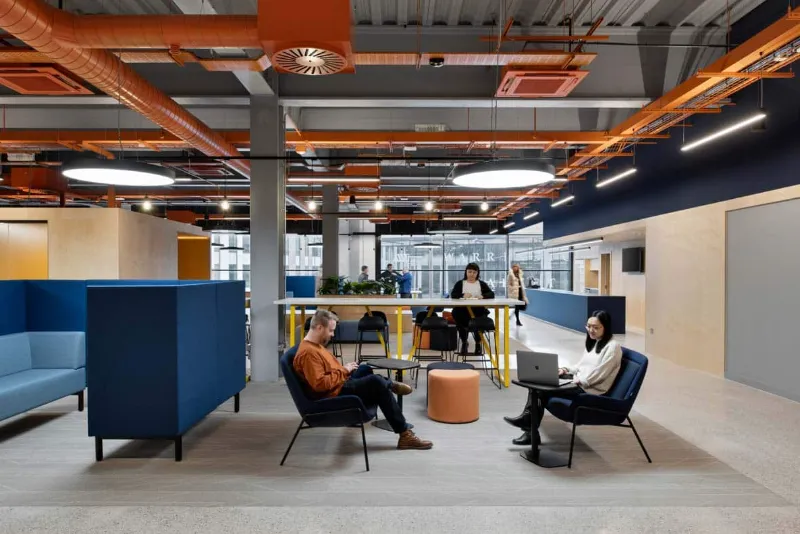
An office is more than just a place to get work done. It’s an environment that shapes focus, energy, and overall well-being throughout the day. While furniture, layout, and technology often receive the most attention, lighting plays an equally important role. The choice of office light fixtures can directly influence how comfortable, efficient, and productive a workspace feels.
Good lighting doesn’t just help people see clearly. It affects mood, reduces fatigue, and supports concentration. When thoughtfully planned, it can turn an ordinary office into a space that encourages both performance and comfort.
Contents
- 1 Why Lighting Matters in an Office Environment
- 2 Supporting Focus and Productivity
- 3 Reducing Eye Strain and Fatigue
- 4 Creating a Comfortable Work Atmosphere
- 5 Enhancing Workspace Design
- 6 Supporting Different Work Styles
- 7 The Role of Natural Light
- 8 Energy Efficiency and Sustainability
- 9 Adapting to Changing Needs
- 10 Improving Well-Being and Satisfaction
- 11 Planning the Right Lighting Setup
- 12 Final Thoughts
Why Lighting Matters in an Office Environment
Many people spend several hours a day in their workspace. Poor lighting during this time can lead to eye strain, headaches, and reduced focus. On the other hand, well-designed lighting can improve clarity and help maintain energy levels.
Office light fixtures are central to achieving this balance. They provide the necessary illumination while also contributing to the overall atmosphere of the space.
Lighting should not feel harsh or dim. It should feel natural, even if artificial sources are used. This helps create an environment that supports sustained work without unnecessary discomfort.
Supporting Focus and Productivity
One of the main goals of any workspace is productivity. Lighting plays a direct role in this by influencing how easily tasks can be performed.
Bright, well-distributed light helps reduce shadows and improves visibility. This makes it easier to read documents, work on screens, and handle detailed tasks.
Office light fixtures designed for task lighting can provide focused illumination where it is needed most. This reduces strain and allows for better concentration.
At the same time, balanced ambient lighting ensures that the entire room feels comfortable, preventing areas from being too bright or too dark.
Reducing Eye Strain and Fatigue
Eye strain is a common issue in work environments, especially where screens are used for long periods. Poor lighting can make this problem worse.
Glare, uneven lighting, or overly bright fixtures can force the eyes to work harder. Over time, this leads to discomfort and fatigue.
Office light fixtures that provide even, diffused lighting help reduce these issues. They minimize glare and create a more comfortable visual environment.
This not only improves physical comfort but also helps maintain focus throughout the day.
Creating a Comfortable Work Atmosphere
The atmosphere of an office has a strong impact on how people feel while working. Lighting is one of the key elements that shape this atmosphere.
Warm lighting can create a relaxed and welcoming environment, while cooler lighting can promote alertness and focus. The right balance depends on the type of work being done.
Office light fixtures can be chosen to support this balance. Adjustable lighting options allow users to adapt the environment to different tasks or times of day.
This flexibility makes the workspace more comfortable and adaptable.
Enhancing Workspace Design
Lighting is not just functional. It also contributes to the visual design of an office.
Well-chosen office light fixtures can complement the overall layout and style of the space. They can highlight key areas, create visual interest, and bring a sense of cohesion to the environment.
For example, lighting can be used to define different zones within an office, such as workstations, meeting areas, or relaxation spaces.
This helps organize the space while also improving its overall appearance.
Supporting Different Work Styles
Modern offices often accommodate a variety of work styles. Some tasks require intense focus, while others involve collaboration or creativity.
Lighting needs to adapt to these different activities. A single type of lighting is rarely sufficient for all purposes.
Office light fixtures can be arranged to create layers of light. This might include general lighting for the entire space, task lighting for individual work areas, and accent lighting for specific features.
This layered approach ensures that the workspace can support a range of activities without compromising comfort.
The Role of Natural Light
While artificial lighting is essential, natural light also plays an important role in office environments. It helps regulate circadian rhythms and can improve mood and energy levels.
Office light fixtures should complement natural light rather than compete with it. During the day, lighting can be adjusted to work alongside sunlight, creating a balanced environment.
In spaces with limited natural light, well-designed fixtures can help replicate a similar effect, reducing the sense of confinement.
Energy Efficiency and Sustainability
Energy efficiency is an important consideration in any workspace. Lighting systems that consume less energy can reduce operational costs and environmental impact.
Modern office light fixtures often incorporate energy-efficient technologies. These solutions provide effective illumination while using less electricity.
In addition, longer-lasting lighting reduces maintenance needs, making it a practical choice for busy work environments.
This combination of efficiency and performance supports both economic and environmental goals.
Adapting to Changing Needs
Workspaces are constantly evolving. Remote work, flexible schedules, and changing team structures all influence how offices are used.
Lighting needs to keep up with these changes. Office light fixtures that offer flexibility can adapt to new layouts and functions.
For example, adjustable or movable lighting can be reconfigured as the workspace changes. This ensures that the lighting remains effective even as the environment evolves.
Improving Well-Being and Satisfaction
A well-lit office does more than improve productivity. It also contributes to overall well-being.
Comfortable lighting can reduce stress, improve mood, and create a more positive work experience. This can lead to greater job satisfaction and better performance.
Office light fixtures play a key role in achieving this. By providing the right balance of brightness and warmth, they help create a space where people feel comfortable spending their time.
Planning the Right Lighting Setup
Effective office lighting requires careful planning. Factors such as room size, ceiling height, and the type of work being done all influence the choice of fixtures.
Placement is also important. Lighting should be positioned to avoid glare on screens and ensure even coverage throughout the space.
Taking the time to plan ensures that office light fixtures meet both functional and aesthetic needs.
Final Thoughts
Lighting is one of the most important yet often underestimated elements of a workspace. It affects how people feel, how they work, and how they interact with their environment.
Office light fixtures provide a way to create a balanced, comfortable, and efficient workspace. They support productivity, reduce strain, and enhance the overall design of the office.
By approaching lighting with intention, it becomes possible to create a workspace that not only meets practical needs but also promotes well-being and satisfaction. In the end, good lighting is not just about visibility—it’s about creating an environment where people can do their best work every day.