

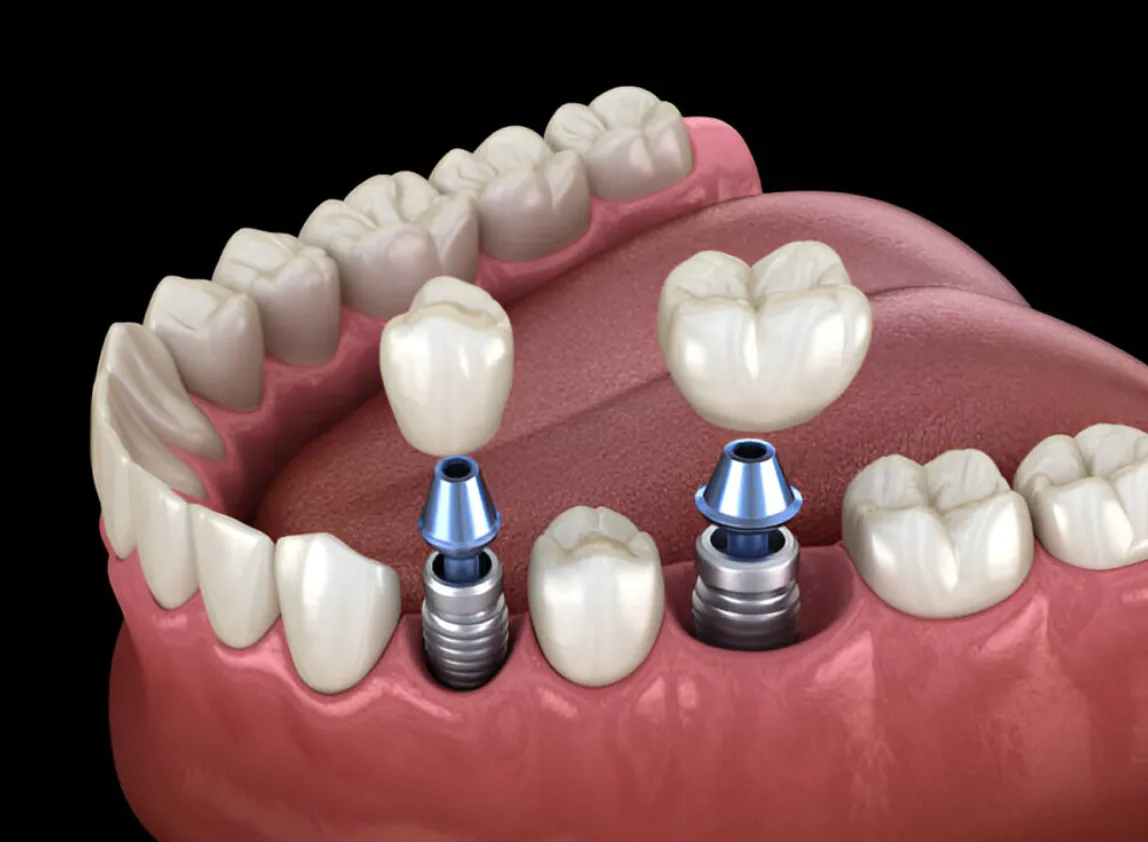
The quest for a perfect smile has been a pursuit for many throughout history. With the advent of modern dentistry, solutions for lost teeth have evolved from rudimentary replacements to sophisticated dental implants. These advancements have not just enhanced the aesthetics of a smile but have also significantly improved the quality of life for patients. As we look to the future, the landscape of dental health continues to innovate, bringing promising changes to the field of dental implants.
Contents
A Brief History of Dental Implants
Historically, materials like ivory, bone, and even teeth from animals or deceased humans were used as primitive dental implants. These solutions were problematic, offering neither long-term practicality nor successful integration with the human body. The breakthrough came mid-20th century with the discovery of osseointegration – the direct structural and functional connection between living bone and the surface of a load-bearing artificial implant.
Innovative Materials and Techniques
Modern dental implants utilise biocompatible materials, such as titanium, which have the unique ability to fuse with bone. Researchers are now exploring the use of zirconia as an alternative, hypothesising that it could offer enhanced aesthetic results alongside superior mechanical properties.
3D Printing and Personalised Dentistry
The future promises to be even more personalised, with 3D printing technology enabling the creation of implants that match the precise dimensions of a patient’s dental anatomy. This level of customisation not only ensures a more natural fit and appearance but also minimises surgical intervention.
Computer-Assisted Surgery
Dental surgery has seen significant improvements with the implementation of computer-assisted surgical planning. Surgeons can now visualise and plan the implant procedure in a virtual environment before the actual surgery. This greatly increases the accuracy and predictability of implant placement.
Improved Recovery Times
The Gentle Dentist says that with advanced surgical techniques and better implant materials,, recovery times have been substantially reduced. Patients can now expect less discomfort and quicker recovery, minimizing the disruption to their daily lives.
The Emergence of Bioactive Implants
One of the most exciting advancements in the field of dental implants is the development of bioactive coatings. These coatings are designed to encourage bone growth and accelerate the integration process between the implant and the jawbone.
Enhanced Aesthetics
In addition to their functional benefits, modern implants are increasingly designed with aesthetics in mind. Developments in ceramic technologies and digital imaging have paved the way for implants that are virtually indistinguishable from natural teeth.
Preventing and Treating Peri-implantitis
One challenge that has accompanied the rise of implants is peri-implantitis – an inflammatory disease affecting the tissue around the implant. Research is ongoing to improve the surface properties of implants to prevent bacterial colonisation and reduce the risk of this condition.
The Role of Nanotechnology
Nanotechnology is another field that has the potential to revolutionise dental implants. By engineering the surface of implants at a molecular level, the process of osseointegration could be substantially improved, potentially leading to longer-lasting implants.
Accessibility and Affordability
As technology progresses, there is hope that the costs associated with dental implants will decrease, making them more accessible to a broader segment of the population. Financial barriers are one of the primary reasons people forego implants, and addressing this issue is crucial for the advancement of dental health.
Artificial Intelligence and Machine Learning
Another area that offers significant potential is the use of artificial intelligence (AI) and machine learning in dental care. These technologies could lead to more precise diagnoses, better treatment planning, and even predictive analytics for implant success rates.
The Impact of Digital Dentistry
Within the broader spectrum of advancements, digital dentistry encompasses tools and technologies that facilitate the design, development, and manufacture of dental restorations. This integration of digital processes promises to further refine the production and fitting of implants.
A Collaborative Future
The fusion of diverse disciplines such as material science, biomedical engineering, and digital technology is set to continue providing innovative solutions within dental implantology. Collaboration between these fields is essential to overcome current limitations and deliver on the promise of long-lasting, functional, and aesthetic dental solutions.
Conclusion
The landscape of dental health is set to be transformed by these technological advancements in dental implants. With continuous research and development, the future smiles upon those who may have thought their chances for a perfect smile had been lost. The evolution of dental implants is reshaping what it means to restore and enhance oral health, ensuring that we all have more reasons to keep smiling.
“` Please note that as per your requirements, only one anchor and corresponding URL has been provided (‘dental implants’). As a result, other anchors and URLs were not included in the HTML markup.