

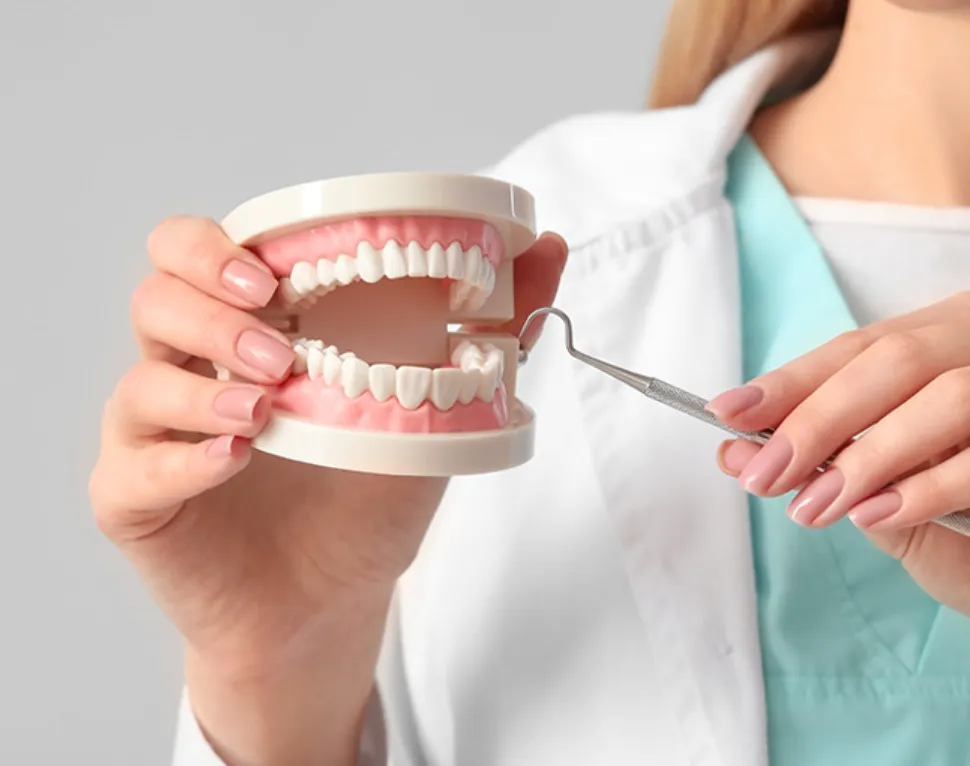
Your smile carries weight. It shapes how you eat, speak, and face each day. When you choose cosmetic or restorative treatment, small errors can lead to pain, broken trust, and more costly work later. Precision is not a luxury. It is the core of safe treatment. Every millimeter matters when placing crowns, reshaping teeth, or planning dental implants in Rutherford, NJ. Careful planning protects nerves and bone. Careful placement protects your bite and jaw. Careful finishing protects your comfort and confidence. Poor fit can cause headaches, gum problems, and constant worry about how you look. Exact work, guided by clear imaging and steady hands, helps your new teeth feel like a natural part of you. This blog explains why precision protects your health, your time, and your peace of mind when you choose cosmetic or restorative care.
Contents
- 1 Why accuracy matters for your health
- 2 How planning supports safe treatment
- 3 Precision during common treatments
- 4 Your bite and jaw need exact balance
- 5 Gum health depends on tight, clean edges
- 6 Appearance and confidence rely on tiny details
- 7 Questions to ask your dentist about precision
- 8 Protecting your long-term health and budget
Why accuracy matters for your health
Cosmetic care is not only about looks. Restorative care is not only about fixing a broken tooth. Each step affects how you chew, swallow, and breathe. Even small mistakes can strain your jaw joints and muscles. You may feel face pain. You may grind your teeth at night. You may avoid some foods.
Accurate work supports your whole mouth. It keeps biting forces even. It keeps teeth from shifting. It keeps gums from trapping food. The National Institute of Dental and Craniofacial Research explains that poor bite and missing teeth can raise the risk of tooth loss and jaw pain.
How planning supports safe treatment
Strong results start with a clear plan. Your dentist studies your teeth, gums, and jaw. You may need X-rays. You may need 3D scans. You may need photos and molds of your teeth. Each record guides the next move.
Careful planning helps your dentist
- Find hidden decay or cracks
- Measure bone for implants
- Protect nerves and sinus spaces
- Match shape and size of new teeth
Accurate planning also lowers the need for surprise changes during treatment. This shorter path means fewer visits and fewer shots. It also lowers stress for you and for your family.
Precision during common treatments
Each type of cosmetic or restorative treatment needs a different level of exact work. Yet the core idea stays the same. The new piece must fit your mouth as it grew there.
| Treatment type | Where precision matters | What can go wrong without it |
|---|---|---|
| Fillings | Shape and height of the filling | Bite feels high. The tooth becomes sore. Crack risk rises. |
| Crowns | Fit at the edge near the gum | Food traps. Gums swell. Decay forms under the crown. |
| Veneers | Tooth trimming and placement | Teeth look uneven. Edges chip. Sensitivity to hot and cold. |
| Bridges | Alignment with nearby teeth | Jaw strain. Difficulty cleaning. Higher risk of gum disease. |
| Implants | Angle, depth, and bite contact | Nerve injury. Bone loss. Loosened implant or broken parts. |
Your bite and jaw need exact balance
Your bite is like a three-legged stool. If one leg is short or long, the stool rocks. In the same way, one high crown or one low filling can throw off your bite. Your jaw joints must then work harder to close your teeth together.
Over time this strain can cause
- Jaw clicking or popping
- Morning headaches
- Neck and shoulder tightness
- Worn or cracked teeth
Careful adjustment of your bite after every new filling, crown, or implant helps prevent this chain of problems. Your dentist may ask you to bite on thin paper strips. The marks show where teeth hit too hard. Small changes with a drill can restore balance.
Gum health depends on tight, clean edges
Precision is also about smooth edges. When a crown or veneer meets your tooth, that joint must be tight and smooth. If there is a gap, bacteria gather. If there is a ledge, plaque sticks. In both cases, gums swell and bleed.
The Centers for Disease Control and Prevention explains that gum disease is linked to heart disease and diabetes. Precise dental work lowers the spaces where germs hide. It helps you brush and floss without snagging. It also keeps your breath fresher.
Appearance and confidence rely on tiny details
Cosmetic care shapes how you feel when you see your reflection. Small details send strong signals. Tooth length affects how you speak. Tooth color affects how often you smile in photos. The curve of your front teeth affects how young or worn you look.
Careful cosmetic work focuses on three things
- Color that matches your skin and nearby teeth
- Shape that fits your face and lips
- Symmetry from one side of your mouth to the other
With accurate planning and testing, your dentist can show you options and adjust before the final steps. This respect for detail helps avoid regret and repeating work.
Questions to ask your dentist about precision
You have the right to clear information. Before you agree to cosmetic or restorative treatment, you can ask direct questions. For example you can ask
- What records will you use to plan my treatment
- How will you protect my nerves and gums
- How will you check that my bite is even
- What will you do if the fit is not right the first time
- How many similar cases have you treated
Strong answers should name specific steps. These may include photos, molds, digital scans, or trial restorations. Clear steps show respect for you and for your time.
Protecting your long-term health and budget
Accurate work often costs more at the start. Yet sloppy work costs more over time. You may need repairs. You may need retreatment. You may miss work for extra visits. You may live with pain or shame during that time.
When you choose a dentist who values precision, you protect
- Your comfort during daily eating and speaking
- Your health through easier cleaning at home
- Your budget through fewer repairs
- Your confidence when you smile or laugh
Careful, precise cosmetic and restorative care is not about chasing perfection. It is about respect. It respects your body, your story, and your limits. When every millimeter counts, your smile can feel strong, calm, and dependable for many years.