

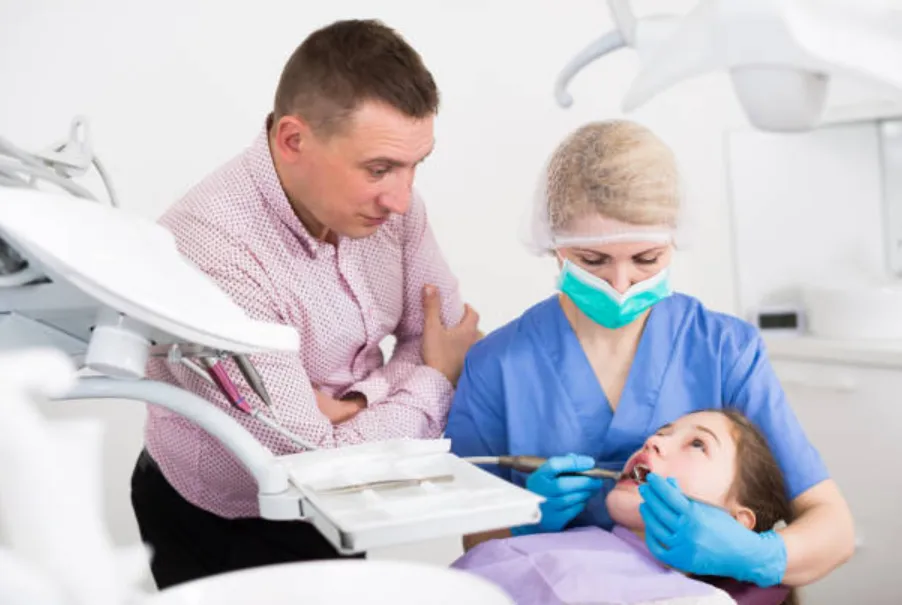
Your mouth often shows the first signs of health problems. Family dentistry helps you catch those signs early. Regular checkups do more than clean your teeth. They reveal small changes that point to decay, infection, or disease. You may not feel pain. You may not see anything in the mirror. Yet a trained eye can spot trouble before it grows. Early care protects your teeth, gums, and jaw. It also protects your heart, lungs, and blood sugar levels. Every visit creates a record of your mouth. That record helps your dentist see patterns and warn you when habits or stress start to harm your smile. An Enfield dentist can check each member of your household in one place. This builds trust. It also makes it easier to keep appointments and follow advice. Steady family care keeps small concerns from turning into emergencies.
Contents
- 1 Why early detection matters for your whole body
- 2 How family dentists spot early oral concerns
- 3 The advantage of one dentist for the entire family
- 4 Common oral concerns and how early checks help
- 5 What to expect at a routine family visit
- 6 Why children gain the most from early checks
- 7 How often you should see a family dentist
- 8 Taking the next step for your family
Why early detection matters for your whole body
Oral problems grow in silence. Cavities spread. Gums pull back. Infection moves into bone. You may only notice when chewing hurts or a tooth breaks.
Yet disease starts long before that point. Dentists can see tiny white spots that show early decay. They can see red edges along the gums that show the start of gum disease. They can see rough patches that raise concern for oral cancer.
These signs also link to whole-body conditions. Research from the Centers for Disease Control and Prevention connects poor oral health with heart disease, stroke, and poor diabetes control. Gum infection can raise blood sugar. It can strain your immune system. Early care lowers that strain.
How family dentists spot early oral concerns
Family dentists follow a clear pattern at each visit. You sit in the chair. They review your history. Then they look at every part of your mouth.
During a visit, a family dentist will often:
- Check your teeth for early decay and worn enamel
- Measure your gums for swelling, bleeding, or loss of support
- Look at your tongue, cheeks, and lips for spots or sores
- Watch how your teeth fit when you bite
- Review X-rays to see roots and bone
Next, they compare what they see to your past visits. Small changes stand out. One new shadow on an X-ray. One deeper pocket around a tooth. One new crack. These shifts help your dentist act before damage spreads.
The advantage of one dentist for the entire family
Family dentistry keeps records for children, teens, adults, and older adults in one office. That pattern helps your dentist see risk across generations.
For example, if a parent has early gum disease, a child may need closer checks. If several family members grind their teeth, your dentist may watch for jaw pain or broken fillings.
Family care also helps in three key ways.
- Shared trust. Children watch parents stay calm in the chair. That lowers fear.
- Shared habits. One message about brushing and flossing reaches everyone.
- Shared schedule. One office visit can cover more than one person.
These simple steps raise the odds that you keep routine visits. Regular visits raise the odds of early detection.
Common oral concerns and how early checks help
| Oral concern | Early signs your dentist sees | Possible result without early care | Simple early action |
|---|---|---|---|
| Tooth decay | White or brown spots on enamel | Pain, infection, tooth loss | Small filling and fluoride |
| Gum disease | Red, swollen gums that bleed | Loose teeth and bone loss | Deep cleaning and home care change |
| Teeth grinding | Flat edges and tiny cracks | Broken teeth and jaw pain | Night guard and stress control |
| Oral cancer | Lasting sores or white patches | Hard treatment and high risk of spread | Fast referral and testing |
This simple table shows one clear theme. Early checks allow small fixes. Late checks force hard treatment.
What to expect at a routine family visit
Knowing what happens during a visit can calm your worries for you and your children. A routine visit often follows this pattern.
- Review of your health history and any new medicines
- Short talk about pain, dryness, or changes you notice
- Cleaning to remove plaque and hard tartar
- Careful exam of teeth, gums, and soft tissue
- X rays when needed based on age and risk
- Clear explanation of any findings and next steps
This process takes little time. Yet it can protect you from long nights with tooth pain and urgent visits.
Why children gain the most from early checks
Children’s teeth change fast. New teeth come in. Old teeth fall out. Jaws grow. Habits form.
Regular family visits help your child:
- Avoid deep cavities in baby and adult teeth
- Learn simple brushing and flossing routines
- Break thumb sucking and bottle use at the right time
Guidance from the National Institute of Dental and Craniofacial Research stresses the first dental visit by age one. Early visits turn the office into a safe place. They also guard speech, chewing, and sleep.
How often you should see a family dentist
Most people need a visit every six months. Some people need more frequent checks.
Your dentist may suggest visits every three or four months if you:
- Have diabetes or heart disease
- Smoke or use tobacco products
- Have a history of many cavities
- Have ongoing gum disease
Regular visits cost less than emergency treatment. They also protect your time, comfort, and peace of mind.
Taking the next step for your family
You do not need to wait for pain. You can act now. Choose a family dentist who explains findings in clear words. Ask for a written plan that covers cleanings, X-rays, and needed treatment.
Then set one shared goal for your household. That goal might be no new cavities this year or no missed checkups. This simple promise can protect your health and your budget.
Your mouth tells a story long before disease speaks through pain. Family dentistry helps you hear that story early. Then you can act with calm, clear steps that keep your smile strong and your body safe.