

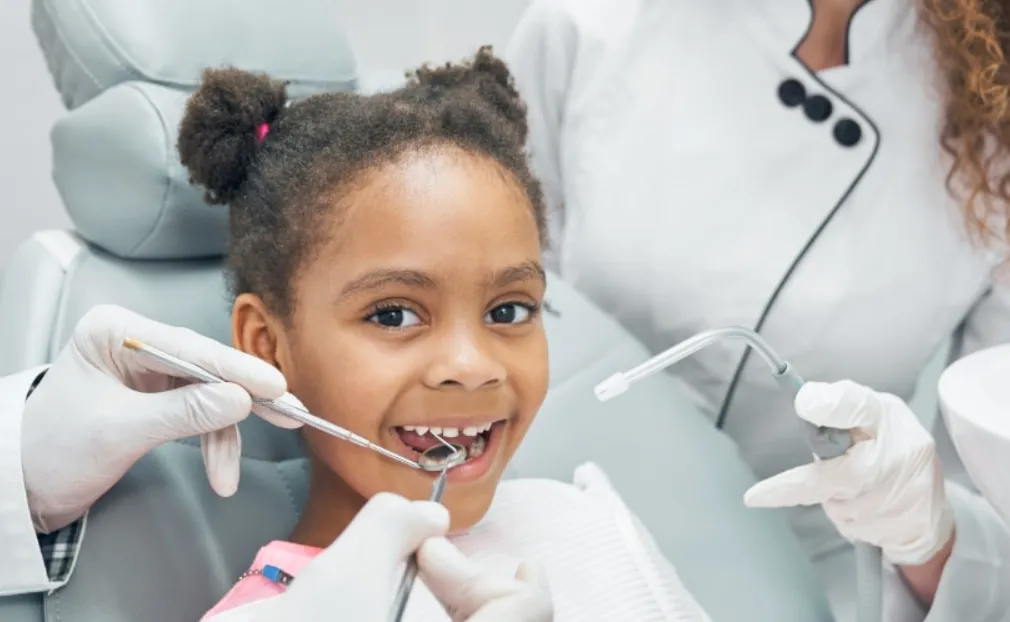
Your child’s smile changes fast. Teeth shift, jaws grow, and small problems can quietly turn into painful bite issues. Regular family visits do more than clean teeth. They give you early warning. A family dentist sees your child again and again. This steady view helps spot crowding, misaligned bites, and jaw growth concerns before they cause damage. Early orthodontic checks can prevent tooth wear, speech issues, and chewing pain. They also reduce the need for complex treatment later. Through family dentistry Albuquerque, parents gain a first line of defense. You get clear guidance on when to watch, when to wait, and when to see an orthodontist. You also gain a partner who explains options in plain language. Early detection protects health, confidence, and daily comfort. It turns routine visits into powerful checkpoints for your child’s future smile.
Contents
- 1 Why early orthodontic checks matter
- 2 How family dentists spot early warning signs
- 3 Common bite problems family dentists find early
- 4 Age timelines and what to expect
- 5 When your family dentist suggests an orthodontist
- 6 How you can support early detection at home
- 7 Turning routine care into long-term protection
Why early orthodontic checks matter
Teeth and jaws start setting patterns in early childhood. By age 7, many bite problems already show. The American Association of Orthodontists explains that early checks help find issues before they become hard to fix.
Early checks help you
- Protect permanent teeth from wear and chipping
- Support clear speech and easy chewing
- Limit tooth removal or jaw surgery later
Young bones respond to gentle pressure. That means braces or other tools can work with less force. Treatment can be shorter and more comfortable. You also guard your child from teasing about crowded or protruding teeth. That protects self-respect during hard school years.
How family dentists spot early warning signs
Family dentists watch your child grow from toddler to teen. This long view gives powerful insight. Each checkup adds another piece to the story of how the teeth and jaws change.
During visits, the dentist
- Checks how upper and lower teeth meet
- Counts and tracks baby and adult teeth
- Looks for early wear spots and chipping
- Reviews patterns on dental X rays
The dentist may also ask about mouth habits. Thumb sucking, nail biting, and mouth breathing can change jaw growth and tooth position. When caught early, these habits can be guided or stopped. That lowers the need for complex orthodontic work later.
Common bite problems family dentists find early
Some problems show clearly when your child smiles. Others hide without a careful exam. Family dentists look for both.
| Type of bite problem | What you might see at home | Possible risks if ignored |
|---|---|---|
| Crowding | Teeth overlap or twist | Hard cleaning. Higher cavity and gum risk |
| Spacing | Gaps between teeth | Food trapping. Gum irritation |
| Overbite | Top teeth cover most of the lower teeth | Tooth wear. Jaw strain. Lip biting |
| Underbite | Lower teeth stick out past top teeth | Chewing trouble. Jaw joint pain |
| Crossbite | Some upper teeth bite inside lower teeth | Uneven jaw growth. Tooth chipping |
| Open bite | Front teeth do not touch when biting | Speech issues. Front tooth wear on backs |
When your dentist explains these patterns, you gain clear words for what you see at home. That helps you watch for change between visits.
Age timelines and what to expect
The U.S. National Institute of Dental and Craniofacial Research offers helpful charts on tooth growth and timing. You can review tooth eruption facts at nidcr.nih.gov.
Here is a simple guide.
- Age 1 to 3. Baby teeth come in. The dentist checks spacing and habits like thumb sucking.
- Age 4 to 6. Jaw growth speeds up. The dentist watches for early crowding and mouth breathing.
- Age 7 to 9. First adult molars and incisors appear. This is a key time to spot bite problems.
- Age 10 to 13. Most adult teeth arrive. The dentist tracks final spacing and bite fit.
At each stage, the dentist explains if your child needs
- Only routine checks
- Closer watch for certain teeth
- A visit to an orthodontist
When your family dentist suggests an orthodontist
A referral is not a scare. It is a safety step. Your dentist has seen a pattern that could cause harm if ignored.
Common reasons include
- Severe crowding or spacing
- Teeth that do not meet for chewing
- Jaw pain or clicking when opening
- Teeth that hit the gums or inner cheeks
Your dentist shares X-rays, photos, and notes with the orthodontist. This teamwork saves time. It also gives the specialist a clear picture of your child’s history.
How you can support early detection at home
You see your child every day. That gives you the power to notice early warning signs between visits.
Watch for
- Snoring or breathing through the mouth during sleep
- Frequent lip biting or cheek chewing
- Trouble biting into foods like apples or sandwiches
- Teeth that look more crowded every year
Then act fast
- Keep regular checkups every six months
- Bring up any bite or jaw concerns right away
- Follow through with X-rays or referrals when advised
Turning routine care into long-term protection
Family dentistry gives your child more than clean teeth. It offers steady watchfulness and early action. Each visit builds a record of how the smile grows. That record guides smart choices about braces and other care.
When you stay consistent with visits, ask clear questions, and respond to early signs, you protect your child from preventable pain. You also protect their ability to eat, speak, and smile with ease. That is the quiet strength of early orthodontic detection through family care.