

Your teeth break down slowly. You often do not feel the damage until it is deep and costly to fix. Preventive dentistry stops that quiet damage before it turns into root canals, crowns, or even Kamloops dental implants. You focus on small steps. You brush with care, floss daily, and see your dentist on a regular schedule. As a result, you avoid painful surprises. You also keep more of your natural tooth structure. Every checkup gives your dentist a chance to spot tiny cracks, soft spots, or gum problems. Then treatment stays simple and quick. You spend less money. You miss less work. You feel more control over your health. This blog explains how steady preventive habits protect you from complex restorations. It shows what to do at home, what to expect at the clinic, and when to act fast.
What Preventive Dentistry Really Means
Preventive dentistry is not a special service. It is your steady daily care plus routine visits. You use it to stop problems before they start. You also use it to catch small problems early.
Preventive care usually includes three parts.
- Home care
- Regular checkups and cleanings
- Early treatment of small issues
The goal is simple. You keep your natural teeth healthy for as long as possible. You avoid heavy drilling and long chair time. You also avoid the emotional strain that comes with pain and sudden tooth loss.
Why Small Problems Turn Into Complex Restorations
Tooth decay and gum disease grow in stages. At first you may see white spots, mild gum bleed, or slight sensitivity. You can reverse many early changes with fluoride, cleaning, and better habits.
If you wait, decay reaches the soft center of the tooth. Infection builds. Then you face treatments such as:
- Large fillings
- Root canals
- Dental crowns
- Extractions and implants
Each step up the ladder brings more cost, more time, and more stress. You also lose more natural tooth structure with each larger procedure. Early care keeps you off that ladder.
How Preventive Habits Cut Your Risk
The basics work. They are simple, but they demand steady effort. You focus on three core actions.
- You brush twice a day with fluoride toothpaste.
- You clean between teeth once a day with floss or small brushes.
- You see your dentist on a regular schedule, often every six months.
The Centers for Disease Control and Prevention explains that fluoride and routine care reduce cavities in both children and adults. Clean teeth hold less plaque. Strong enamel resists acid. Healthy gums grip teeth firmly.
These steps may feel small. Yet they cut your risk of decay and tooth loss in a clear way. They also help your dentist see changes early, before you feel pain.
Preventive Care Versus Complex Treatment
The gap between simple prevention and complex restoration is wide. You see it in money, time, and impact on your life.
Preventive Care Compared With Complex Restorations
| Type of care | Typical visits | Average cost range (per tooth) | Effect on natural tooth |
|---|---|---|---|
| Checkup and cleaning | 1 short visit | Low | No drilling. Tooth stays whole. |
| Small filling | 1 short visit | Low to medium | Small part removed. Most remains. |
| Large filling or crown | 1 to 2 longer visits | Medium to high | Big part removed. The tooth is weaker. |
| Root canal with crown | 2 or more long visits | High | Nerve removed. The tooth is hollow and brittle. |
| Implant after extraction | Several visits over months | Very high | Natural tooth lost. Artificial root placed. |
Costs vary by clinic and region. Still, the pattern is clear. The later you treat, the more you pay in money, time, and comfort. You also face more healing and more worry.
What To Expect At Preventive Visits
Routine visits are calm and clear. You usually go through three steps.
- Cleaning
- Checkup
- Planning
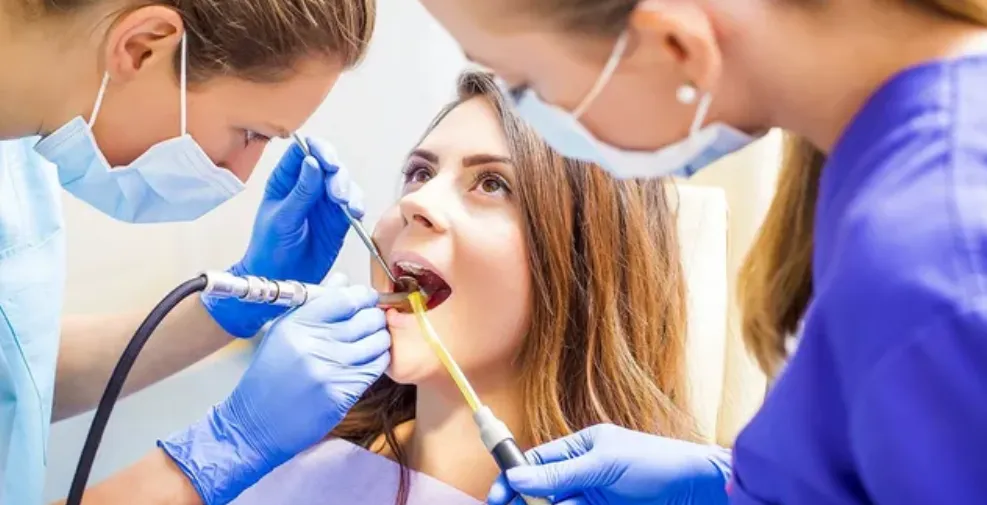
During cleaning, a hygienist removes plaque and hard tartar. You feel scraping and polishing. Your teeth come out smooth and easier to clean at home.
During the checkup, the dentist looks at each tooth and your gums. You may get X-rays. The dentist checks for decay, cracks, loose fillings, and bone loss. The National Institute of Dental and Craniofacial Research notes that this kind of early check finds decay before it destroys the tooth.
Then you and your dentist plan the next steps. You may need a tiny filling, more cleanings, or changes to your home routine. You leave with a clear path, not with confusion.
How To Protect Your Family At Home
Home care shapes your risk more than any other factor. You can protect your family with three key habits.
- Use fluoride toothpaste every day.
- Limit sugary drinks and snacks between meals.
- Help children brush until they can do it well on their own.
Set a routine. Morning and night, you brush for two full minutes. You clean between your teeth before bed. You keep water as the main drink. You save sweet treats for mealtimes when saliva is high and can wash away sugar.
Children watch you. When they see you care for your teeth, they learn that teeth matter. That quiet lesson can spare them from pain and fear later in life.
When To Act Fast
Sometimes you must not wait. Call your dentist soon if you notice:
- Tooth pain that lasts more than a day
- Sensitivity to hot or cold that lingers
- Swollen or bleeding gums
- A cracked tooth or lost filling
- A pimple like bump on the gums
Fast care can turn a near emergency into a simple fix. Waiting turns a small cavity into a root canal. It turns a loose filling into an extraction. You protect yourself when you treat these signs as warnings and not as minor annoyances.
Take Control Before Problems Grow
You do not need perfect teeth. You only need steady habits and timely visits. You can choose to spend a little time now on brushing, flossing, and checkups. Or you can spend far more time later on complex treatment and healing.
Preventive dentistry gives you control. It lets you keep your own teeth, protect your budget, and shield your family from dental emergencies. Start today with one small change. Book your next checkup. Then build simple daily habits that keep drills, crowns, and implants as rare events in your life.