

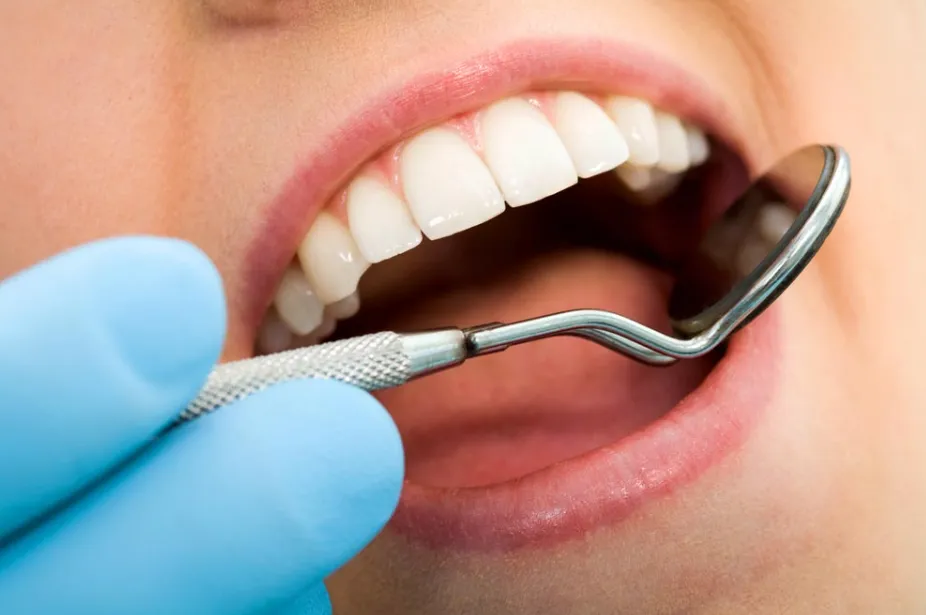
Your mouth does not get a break between checkups. Plaque grows every day. Small problems can turn into painful infections before your next visit. You can stop that. Daily habits protect your teeth, gums, and breath. They also protect your heart, blood sugar, and sleep. Many people brush and floss but still miss key steps. Then they feel shame in the chair and stay silent. You deserve clear steps and honest guidance. This guide shares 6 simple ways to clean better, eat smarter, and use the right tools between visits. Each tip fits into a busy day. No special products. No complex routines. If you see a dentist in Downtown Toronto or anywhere else, these habits help your checkups feel shorter, calmer, and less costly. You stay in control. Your dentist does the rest.
Contents
1. Brush with purpose, not pressure
Brushing harder does not clean better. It can scrape your gums and wear down enamel. You need gentle hands and steady routine.
Use these steps twice a day.
- Use a soft bristle brush
- Place the bristles at a slight angle toward the gumline
- Move in short strokes over each tooth
- Brush outer, inner, and chewing surfaces
- Brush for 2 full minutes
The Centers for Disease Control and Prevention warns that poor brushing leads to gum infection and tooth loss. You lower that risk when you treat brushing like a set task, not a quick swipe before bed.
If your hand gets tired or you rush, consider an electric brush. Many models have a timer and a pressure sensor. That helps you stay gentle and steady.
2. Floss once a day, even when you feel tired
Flossing feels easy to skip. The trouble hides between teeth where the brush cannot reach. Food and plaque sit there and feed germs. That can cause bleeding gums and bad breath.
Follow three simple steps.
- Use about 18 inches of floss so you have a clean section for each tooth
- Slide the floss between teeth and curve it around each side in a C shape
- Move up and down to wipe the tooth, not snap at the gums
The Canadian Dental Association explains that flossing helps prevent gum disease and tooth decay between teeth.
If string floss feels hard to handle, use floss picks or small interdental brushes. The best choice is the one you will use every day. Aim for the same time each day. That builds a strong habit.
3. Use fluoride toothpaste and mouth rinse
Fluoride makes teeth stronger. It helps repair early damage from acid. That keeps small weak spots from turning into deep cavities.
Check the label on your toothpaste. It should list fluoride as an active ingredient. Use a pea-sized amount. Spit after brushing. Try not to rinse with water. That keeps a thin layer of fluoride on your teeth longer.
A fluoride mouth rinse can help if you get many cavities. You can ask your dentist before you start. Children can use a rinse if they are old enough to spit it out. Store it out of reach of young children.
Fluoride products and common uses
| Product | Who it helps most | How often to use |
|---|---|---|
| Fluoride toothpaste | Everyone with natural teeth | Twice a day |
| Fluoride mouth rinse | People with many cavities or braces | Once a day or as advised |
| Prescription fluoride toothpaste | High cavity risk adults or teens | Once a day at night |
4. Watch what you eat and drink between meals
Your teeth feel every snack and sip. Sugar and acid feed germs and wear down enamel. The problem is not only how much you eat. It is how often you expose your mouth.
Try these three steps.
- Keep sweet treats with meals instead of alone
- Drink plain water between meals
- Limit sipping juice or soft drinks over long periods
Choose snacks that protect teeth.
- Cheese, yogurt, or nuts
- Fresh vegetables or whole fruit
- Plain popcorn without sugar coating
Late-night snacking can be harsh on your mouth. Saliva flow slows when you sleep. That means food stays on teeth longer and causes more damage. Try to finish eating and drinking anything except water at least 30 minutes before brushing at night.
5. Clean your tongue and change your toothbrush
Germs live on your tongue. They coat the surface and cause a strong odor. You can clean the tongue in a few quick strokes after brushing.
Use a tongue scraper or the back of your toothbrush. Start near the back and pull forward. Rinse the tool each time. Stop if you feel like gagging and move a bit closer to the front.
Your toothbrush also needs care. Over time, the bristles bend and lose shape. Then they clean less well.
- Change your toothbrush every 3 months
- Change it sooner if you have the flu or a cold
- Store it upright so it can air dry
For children, show them how the bristles should look. When they see frayed or bent tips, let them help pick a new brush. That keeps them engaged and proud of their routine.
6. Plan for checkups and speak up early
Home care works best when you link it with steady checkups. A dentist can see early warning signs that you cannot feel yet. Small fillings and cleanings cost less time and money than root canals or extractions.
Use three simple planning steps.
- Book your next visit before you leave the office
- Set a reminder in your phone or on a calendar
- Write down any new pain or bleeding you notice between visits
Do not hide problems out of shame. Dentists see many mouths every day. They look for patterns, not perfection. Honest details about your brushing, flossing, diet, and health help them guide you.
If you feel nervous, ask for small changes. You can request shorter visits, numbing gel for cleanings, or breaks during care. Over time, your fear can ease as you see progress and less treatment.
Bring it all together
You protect your mouth with small, steady steps. Brush with care. Floss each day. Use fluoride products. Eat and drink with your teeth in mind. Clean your tongue and change your brush. Keep your checkups on schedule and speak up when something feels wrong.
Each habit adds a layer of defense. Together, they cut pain, cost, and fear. You give yourself a cleaner mouth, easier visits, and more comfort each day.