

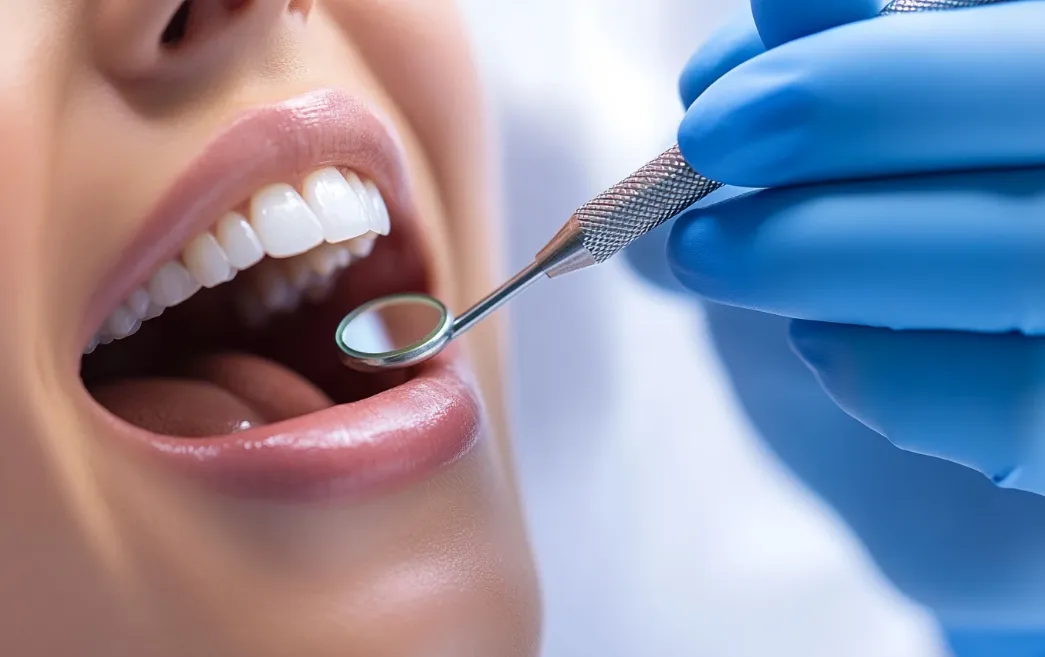
Feeling nervous about the dentist is common. Your heart races. Your jaw tightens. You picture pain and judgment. You are not alone. General dentistry today focuses on comfort first. You get clear explanations, gentle care, and real control over each step. You can pause. You can ask questions. You can say no. This approach helps you face cleanings, fillings, and exams with less fear and more trust. It also supports long term health for your teeth and gums. In addition, it prepares you for more advanced care when you need it, including cosmetic dentistry for your family in Fairfield. You deserve a calm visit, not a stressful one. You also deserve a team that respects your fears and plans around them. This blog shows how general dentists reduce fear, ease pain, and create steady comfort from the moment you sit in the chair.
Why dental fear is common
Dental fear often starts with three roots. You may have had a rough visit as a child. You may fear pain. You may feel shame about your teeth. The result is the same. You avoid care. Your mouth hurts. Your worry grows.
Research from the National Institute of Dental and Craniofacial Research shows that untreated tooth decay is common. Avoided visits are one reason. When you skip cleanings and checkups, small problems grow into big problems. You then expect severe pain and more time in the chair. That cycle feeds your fear.
General dentistry now treats fear as part of care. Your feelings are not a side issue. They are part of your health. When your dentist respects that, you gain trust. Trust makes each visit shorter, calmer, and more predictable.
Comfort starts before you sit in the chair
Comfort does not start with a needle. It starts with the first contact. A supportive office does three simple things.
- It asks about your fears on the phone.
- It plans extra time so you do not feel rushed.
- It explains what will happen during the visit.
Next, the office space matters. A quiet room, simple smells, and clear signs all lower stress. You know where to go. You know what comes next. That predictability calms your body.
Staff training matters as well. When the team knows how to speak in plain words and listens without judgment, you feel human. You do not feel like a task on a list. That respect is often the first step toward a better visit.
Clear communication that gives you control
You feel less afraid when you know what will happen and when you can stop it. General dentists now use simple methods to give you control.
- They use plain words. No complex terms.
- They show pictures or mirrors so you can see what they see.
- They agree on a hand signal so you can pause at any time.
Before a cleaning or filling, the dentist can walk you through three steps. What will happen? How it may feel. How long will it last? This three-step talk removes the shock that often triggers fear.
The Centers for Disease Control and Prevention notes that regular dental care prevents many mouth problems. Clear communication makes that care bearable. When you know the purpose of each step, you are more willing to return for the next visit.
Tools and methods that reduce pain
Modern general dentistry uses tools and methods that focus on comfort. Many patients are surprised by how gentle care feels now compared with childhood memories. Common supports include numbing gels, local anesthetics, and slower, steadier movements.
Some offices also offer noise-reducing headphones or music. Some use small devices that distract their nerves during injections. Others use warmed anesthetic so the temperature change does not shock your tissues.
Common Comfort Options In General Dentistry
| Comfort option | What you feel | When it helps most |
|---|---|---|
| Numbing gel on gums | Mild surface numb feeling | Before injections or deep cleanings |
| Local anesthetic | Strong numb feeling in one part of the mouth | Fillings, crowns, and some extractions |
| Slow injection method | Less sharp sting and more steady pressure | Any shot that once caused fear |
| Noise control with headphones | Less drill noise and more calm sounds | For patients who fear or hate dental sounds |
| Short treatment visits | Quicker end to each session | Large treatment plans split into parts |
You can ask which of these options your dentist uses. You can also request a short test of a tool before full treatment. That small test helps your mind learn that new care can feel safe.
Step-by-step plans for very nervous patients
Some patients feel fear so strong that normal steps are not enough. If that is you, a staged plan can help. You start with a visit that includes only a talk and a quick look. No tools in your mouth. No cleaning. No X-rays.
Next, you return for a simple cleaning or one small filling with extra breaks. Then, once you feel some trust, the dentist may plan more care. Each step builds on the last step. You gain proof that you can handle treatment and that the team keeps promises.
This staged method is useful for children, teens, and adults. It also helps people who have been away from the dentist for many years. Your mouth may need more work, yet your plan can still move in small steps.
How comfort-focused care helps your whole family
When you feel safer at the dentist, your children notice. They see you breathe, ask questions, and stay in control. That example can shape their views about care. A calm parent in the waiting room can do more for a child than any poster on the wall.
General dentistry that centers on comfort also supports long-term family health in three ways.
- It keeps small problems from turning into root canals or extractions.
- It protects eating, speaking, and sleep.
- It keeps costs lower by avoiding urgent visits.
When cleanings and exams feel possible, you are more likely to keep six-month visits. Those visits catch decay, gum disease, and bite problems early. Over time, this makes caring for your whole family simpler and less scary.
Taking your next step toward a calmer visit
You do not need to erase your fear in one day. You only need to take one clear step. You can call an office and say, “I feel nervous about dental work. I need extra time and clear talk.” A good team will accept that and plan with you.
Before your visit, you can write three things.
- Your biggest fear.
- One comfort option you want to try.
- One question about your teeth or gums.
Bring that list to the visit. Hand it to the dentist. That simple act sets the tone. It shows that you are ready for care that respects your fear and your strength. Over time, each calm visit can replace one old, harsh memory. Your mouth gets healthier. Your fear loses its grip. Your future visits become just another part of staying well, not a source of dread.