

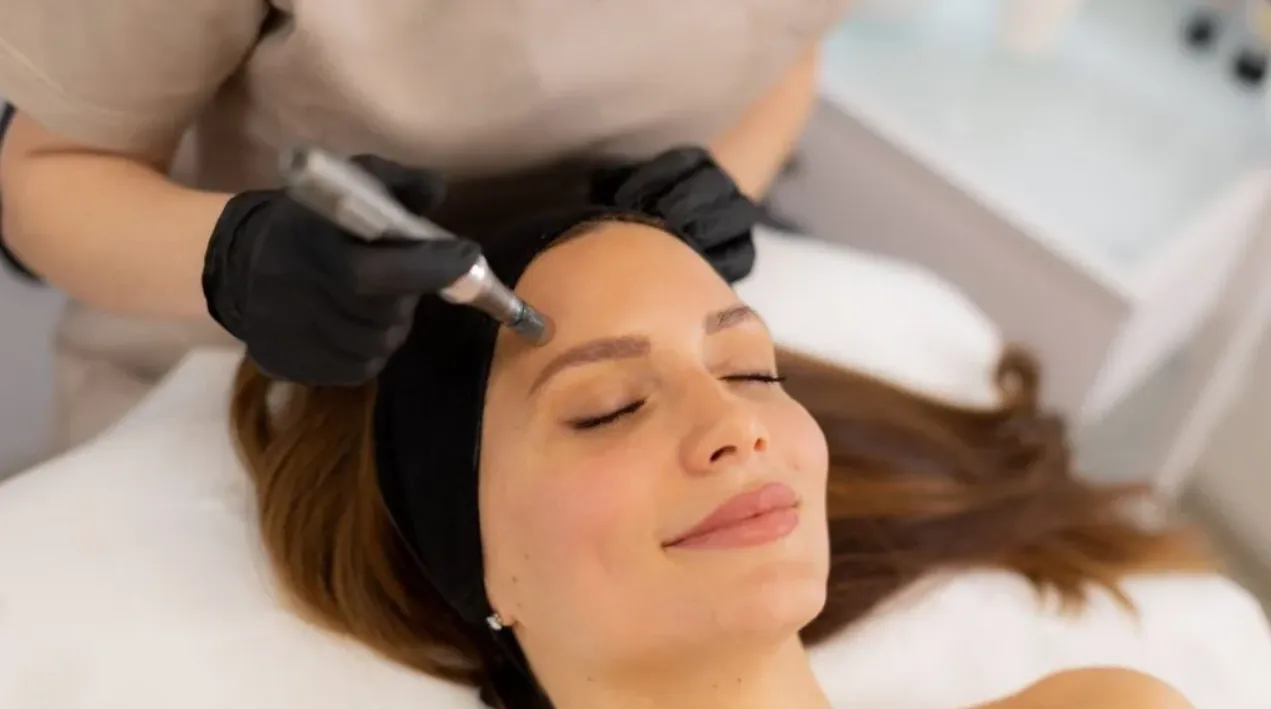
In the quest to maintain a youthful and vibrant appearance, many individuals are turning to various skin rejuvenation therapies. Among the plethora of options, skin needling has emerged as a popular and effective treatment for revitalising the skin and addressing a variety of skin concerns. This minimally invasive procedure, also known as micro-needling, involves the use of fine needles to create tiny punctures in the skin, stimulating the body’s natural healing process and encouraging the production of collagen and elastin.
What is Skin Needling?
Skin needling is a technique that has gained significant attention for its ability to not only improve the skin’s overall texture and appearance but also to minimise the signs of aging. The procedure is conducted using a device equipped with fine needles that create controlled micro-injuries on the skin’s surface. These micro-injuries prompt the skin’s natural repair mechanisms to kick in, leading to cell renewal and an increase in collagen synthesis.
The process is relatively straightforward and can be performed on various parts of the body, including the face, neck, and even the decolletage. Its versatility makes skin needling an attractive option for those looking to address specific skin issues such as fine lines, wrinkles, acne scars, and uneven pigmentation.
Benefits of Skin Needling
One of the greatest advantages of skin needling is its ability to induce natural skin rejuvenation without the need for more aggressive treatments. It is particularly beneficial for individuals seeking a solution to reduce the appearance of scars, pores, and stretch marks. Furthermore, skin needling enhances the skin’s ability to absorb skincare products effectively, allowing for deeper penetration and, consequently, better results.
This procedure is also known for its minimal downtime compared to other cosmetic interventions. Patients can typically resume their normal skincare routines shortly after treatment, and any mild redness or swelling that may occur usually subsides within a day or two. As a result, skin needling fits seamlessly into busy lifestyles and is considered a convenient option for maintaining skin health.
Is Skin Needling Safe for Everyone?
Safety is a vital consideration when it comes to any cosmetic procedure. Skin needling is recognised as safe for most skin types and colours. However, as with all treatments, certain conditions may preclude some individuals from undergoing the procedure. It is always recommended that people consult with a qualified dermatologist or skincare professional to determine if skin needling is appropriate for their specific skin concerns.
Pregnancy, active skin infections, and certain skin conditions such as eczema or psoriasis may contraindicate the treatment. Additionally, people on certain medications, such as blood thinners, may need to discuss potential risks and benefits with a healthcare provider before proceeding.
How to Prepare for Skin Needling
Before undergoing a skin needling session, it is critical to follow your practitioner’s advice to prepare your skin. Sun avoidance and the use of sunscreen are usually recommended to maintain skin integrity. Some skincare products, particularly those containing retinoids or high-strength acids, may need to be paused leading up to the treatment to avoid unnecessary irritation.
Ensuring adequate hydration and a well-balanced diet also contribute to optimal skin health and can enhance the benefits of the treatment. Being well-prepared ensures you can maximise the efficacy of skin needling and enjoy the full spectrum of its rejuvenating capabilities.
What to Expect During Treatment
During the skin needling treatment, the practitioner will use a topical anaesthetic to minimise discomfort. The procedure typically takes around 30 minutes, depending on the size of the area being treated. As the device moves across the skin, patients may feel a mild sensation akin to sandpaper brushing against the surface.
The immediate aftermath may include some redness and swelling, which are normal and indicative of the body’s healing process activating. Patients are often provided with specific aftercare instructions to assist with the healing process and to ensure the best possible results from the treatment.
Post-Treatment Care and Recovery
Proper aftercare is crucial following a skin needling session. Patients are advised to avoid strenuous exercise, saunas, and any activity that may lead to excessive sweating for the initial 24 hours. A gentle skincare routine that includes hydrating and healing products is recommended, and direct sun exposure should be avoided for several weeks post-treatment.
During the recovery period, it’s essential to adhere to the aftercare instructions provided by the practitioner. This will help to prevent any complications and ensure that the skin heals optimally, thereby enhancing the treatment’s effectiveness.
Long-term Results of Skin Needling
Patients who undergo skin needling can expect to see noticeable improvements in their skin’s texture, firmness, and overall appearance. The full effects of collagen remodelling and skin rejuvenation typically become evident a few weeks following treatment, as the skin continues to heal and regenerate.
While some benefits of skin needling are visible shortly after the treatment, the most significant results often appear after a series of sessions. The number of treatments required varies depending on individual skin conditions and desired outcomes, and this is best determined in consultation with a professional.
Choosing a Reputable Practitioner
When seeking skin needling treatments, it’s essential to choose a reputable practitioner with extensive experience in the field. Researching clinics, reading reviews, and checking the qualifications of the staff can provide reassurance and ensure you receive the highest quality care.
In conclusion, skin needling presents a compelling option for those seeking to rejuvenate their skin with minimal downtime. By stimulating the body’s natural healing processes, skin needling leads to a brighter, smoother, and more youthful complexion. It serves as an example of how modern dermatological practices are providing efficient and effective solutions for age-old skin concerns.