

Most homeowners rarely think about their drains until something goes wrong. A slow-draining sink, unpleasant odors, or standing water in the shower often appears without warning and quickly disrupts daily routines. What starts as a small blockage can eventually develop into a much larger plumbing issue that affects the comfort, cleanliness, and efficiency of an entire home.
Regular drain maintenance plays an important role in preventing these problems before they become expensive repairs. Many homeowners schedule professional drain cleaning in Chambersburg, PA as part of routine plumbing maintenance to keep water flowing properly and reduce the risk of hidden pipe damage throughout the year.
Keeping drains clean is not simply about convenience. Healthy drainage systems support better plumbing performance, protect indoor hygiene, and help homeowners avoid unnecessary stress. With a few preventative habits and early attention to warning signs, it becomes much easier to maintain a reliable and efficient plumbing system all year long.
Why Clean Drains Matter More Than Most Homeowners Realise
Drains are used constantly throughout the home. Kitchen sinks, showers, bathtubs, laundry rooms, and outdoor drainage systems all depend on clear pipes to function properly. Over time, everyday materials gradually build up inside these pipes and begin restricting water flow.
Grease, soap residue, hair, food waste, dirt, and mineral deposits are among the most common causes of internal pipe buildup. While these substances may seem harmless in small amounts, they slowly create stubborn blockages that affect drainage performance.
Poor drainage can also create moisture problems inside the home. Standing water and hidden leaks increase the risk of mould growth, unpleasant smells, and water damage behind walls or beneath flooring. In severe cases, blocked drains may even place additional pressure on the plumbing system, increasing the likelihood of pipe deterioration or burst pipes.
Routine maintenance helps reduce these risks while extending the lifespan of household plumbing components.
Common Causes of Drain Blockages Throughout the Year
Drain problems develop differently depending on the season and the location of the blockage.
Kitchen Drain Problems
Kitchen drains experience heavy daily use. Grease, oils, coffee grounds, and food particles often collect inside pipes even when rinsed with hot water. Over time, these substances harden and narrow the pipe interior, slowing drainage significantly.
Dish soap can also contribute to buildup when mixed with grease residue. Many homeowners do not realise that small amounts of waste accumulate gradually over months before noticeable symptoms appear.
Bathroom Drain Issues
Bathroom drains frequently become clogged with hair, toothpaste residue, soap scum, and cosmetic products. Shower and bathtub drains are especially vulnerable because hair easily wraps around internal pipe surfaces and traps other debris.
Slow bathroom drainage often begins as a minor inconvenience but can quickly worsen if ignored.
Outdoor and Seasonal Drain Problems
Outdoor drains face additional challenges during autumn and winter. Leaves, dirt, mud, and storm debris commonly block external drainage systems, especially after heavy rainfall or seasonal weather changes.
When exterior management is neglected, accumulation can compromise the entire exterior layout and affect adjacent structures. Scheduling a precise gutter install in Fort Myers can support structural durability by safely directing heavy seasonal runoff away from your foundation and landscaping. Properly aligned channels limit localized pooling and reduce the build-up of organic waste that often contributes to long-term property maintenance issues. Taking care of these foundational exterior elements helps ensure that regional downpours move smoothly through your drainage system rather than creating unexpected issues around your perimeter walls.
Tree roots also pose a serious long-term threat to underground sewer lines. Roots naturally seek moisture and can grow into tiny cracks in pipes, eventually causing major obstructions and structural damage.
Warning Signs Your Drains Need Attention
Drain problems usually provide early warning signs before becoming emergencies. Recognising these symptoms early can help homeowners avoid costly repairs later.
One of the most common indicators is slow drainage. Water that takes longer than usual to empty from sinks, tubs, or showers often suggests buildup inside the pipes.
Gurgling sounds are another warning sign. These noises typically occur when trapped air struggles to move through partially blocked pipes.
Persistent unpleasant odors may indicate decomposing debris or stagnant water trapped within the drainage system. Foul smells coming from drains should never be ignored because they often point to deeper plumbing issues.
Recurring clogs also suggest that a blockage may exist further down the pipe rather than near the surface. If plunging only provides temporary relief, professional inspection may be necessary.
Some homeowners also notice water pooling around floor drains or unusually damp areas near plumbing fixtures. These signs can indicate hidden drainage failures that require immediate attention.
The Benefits of Preventative Drain Maintenance
Preventative maintenance offers several long-term advantages for homeowners.
One major benefit is improved plumbing efficiency. Clean pipes allow water to move freely, reducing strain on the entire plumbing system and improving daily household function.
Routine maintenance also lowers the likelihood of emergency plumbing repairs. Sudden drain backups and sewer line problems often result in expensive repairs that could have been avoided with earlier intervention.
Keeping drains clear can also help extend the lifespan of pipes and fixtures. Reduced buildup means less corrosion, fewer leaks, and lower long-term maintenance costs.
Another important advantage is improved indoor hygiene. Blocked drains can harbor bacteria, mold, and unpleasant odors that negatively affect the home environment. Clean drainage systems contribute to a fresher and healthier living space.
Many homeowners rely on professional drain cleaning in Chambersburg, PA, when preventative methods are no longer enough to manage recurring plumbing issues or deeper pipe obstructions.
Simple Habits That Help Keep Household Drains Clear
Consistent daily habits can significantly reduce the risk of drain problems.
One of the simplest preventative steps is avoiding the disposal of grease, oils, and food scraps down kitchen sinks. Even small amounts gradually collect inside pipes and contribute to clogs.
Using drain strainers in sinks and showers also helps prevent hair and debris from entering the plumbing system. These inexpensive tools reduce buildup and make cleaning easier.
Flushing drains occasionally with warm water may help remove light residue before it hardens inside the pipes. However, harsh chemical cleaners should be used carefully because excessive use can damage plumbing materials over time.
Scheduling periodic plumbing inspections is another effective strategy, especially for older homes or properties with recurring drainage concerns.
Outdoor drains should also be checked seasonally for leaves and debris accumulation, particularly after storms or heavy winds.
When Professional Drain Cleaning Becomes Necessary
While minor clogs can sometimes be managed with basic maintenance, some drainage problems require professional equipment and expertise.
Persistent slow drainage, repeated blockages, sewage smells, or water backups often indicate deeper issues within the plumbing system. In these situations, professional drain cleaning provides a more thorough solution than temporary DIY fixes.
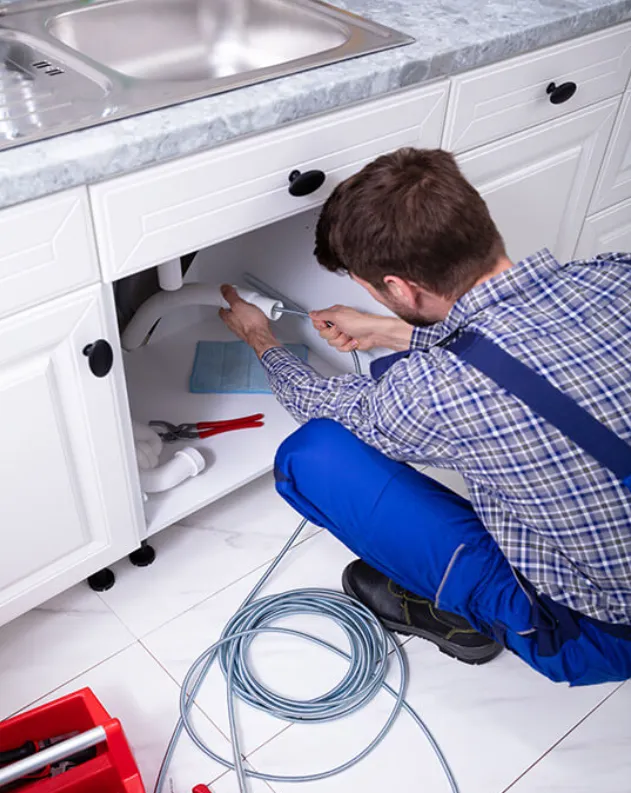
Professional plumbers use specialised tools such as drain snakes, video inspections, and hydro jetting equipment to identify and remove stubborn obstructions safely.
Tree root intrusion, mineral buildup, and sewer line blockages typically require professional treatment because these issues can worsen significantly if left unresolved.
Early professional intervention often prevents more serious structural plumbing damage later.
How Drain Maintenance Supports a Healthier Home Environment
Clean drains contribute to far more than plumbing performance. They also support healthier indoor living conditions.
Blocked drains can trap stagnant water and organic waste, creating ideal conditions for bacteria and mould growth. Poor drainage may also increase humidity levels around sinks, bathrooms, and basements.
Maintaining clear drains helps improve cleanliness, reduce unpleasant smells, and minimise moisture-related problems throughout the home.
For families with children, pets, or individuals with allergies, maintaining healthy indoor conditions becomes especially important. Proper drainage supports a cleaner and more comfortable household environment year-round.
Conclusion
Drain maintenance is one of the most overlooked aspects of home care, yet it plays a major role in protecting plumbing systems, indoor hygiene, and overall household comfort. Small drainage issues can quickly develop into larger and more expensive repairs when ignored for too long.
By recognising early warning signs, practising preventative maintenance, and seeking professional help when necessary, homeowners can avoid many common plumbing problems before they escalate.
Keeping drains clean throughout the year not only improves plumbing efficiency but also helps create a healthier, safer, and more reliable home environment for the long term.