

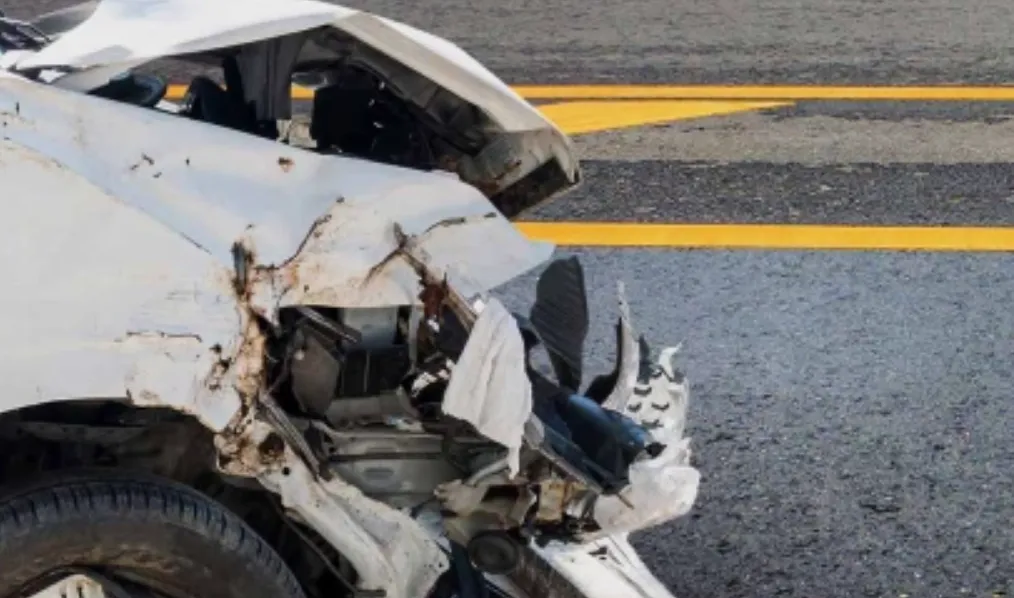
Understanding the impact of T-bone collisions is crucial for your well-being. These accidents, often occurring at intersections, can lead to severe injuries. You face unique challenges in T-bone collisions because the sides of vehicles offer less protection than the front or rear. This makes side-impact crashes particularly dangerous. You may experience injuries such as broken bones, internal damage, or even traumatic brain injuries. Recognizing these risks helps you take necessary precautions and seek appropriate medical care. If you’ve been in a T-bone collision, consulting with a Houston side-impact collision attorney aids your recovery by ensuring you understand your legal options. This guidance is vital in navigating the consequences of such accidents. It’s important to prioritize your safety and seek expert advice. By focusing on these key aspects, you prepare to manage the aftermath of a T-bone collision effectively. Your well-being is always the priority.
Contents
What Happens During a T-Bone Collision?
In a T-bone collision, one vehicle’s front collides with the side of another vehicle. This typically happens at intersections when a driver runs a red light or fails to yield. The sudden impact can crush the side of the car, directly affecting those inside. The force of the crash can cause the car to spin or even roll over.
Common Injuries from T-Bone Collisions
Due to the nature of T-bone collisions, you may suffer from various injuries:
- Head Injuries: Concussions or brain injuries from hitting windows or airbags.
- Neck and Back Injuries: Whiplash from sudden movement.
- Chest and Rib Injuries: Impact with steering wheels or side panels.
- Internal Injuries: Damage to organs due to the force of impact.
Data on T-Bone Collisions
Here is a comparison of the severity of injuries from T-bone collisions compared to other accident types:
| Collision Type | Minor Injuries (%) | Severe Injuries (%) | Fatalities (%) |
|---|---|---|---|
| T-Bone | 30% | 50% | 20% |
| Rear-End | 60% | 30% | 10% |
| Head-On | 10% | 70% | 20% |
Why Side-Impact Collisions Are Dangerous
The sides of cars lack the structural barriers that protect you in front or rear-end collisions. This makes side-impact crashes more likely to cause severe injuries. According to the National Highway Traffic Safety Administration, side-impact collisions account for a significant portion of traffic fatalities. The lack of a crumple zone on the sides means the vehicle absorbs less impact, transferring more force to passengers.
Steps to Protect Yourself
Protective measures help reduce the risk of serious injury during a T-bone collision:
- Wear a seatbelt at all times.
- Install side airbags if your vehicle lacks them.
- Follow traffic signals and be cautious at intersections.
How to Respond After a Collision
After a collision, swift action can make a difference in your recovery:
- Seek medical attention immediately, even if you feel fine.
- Document the scene and gather witness information.
- Contact a Houston side-impact collision attorney for guidance on legal proceedings.
Understanding Your Legal Rights
Getting expert legal advice helps navigate the aftermath of a collision. A knowledgeable attorney can help you understand compensation options. This guidance is crucial for covering medical expenses, lost wages, and other damages. The National Highway Traffic Safety Administration provides resources on traffic safety and accident statistics to help you make informed decisions.
Conclusion
T-bone collisions are serious and require your immediate attention. By understanding the science behind these crashes, you can take preventive measures and respond effectively. This knowledge empowers you to protect yourself and your loved ones from harm. Remember, your safety and well-being should always come first.