

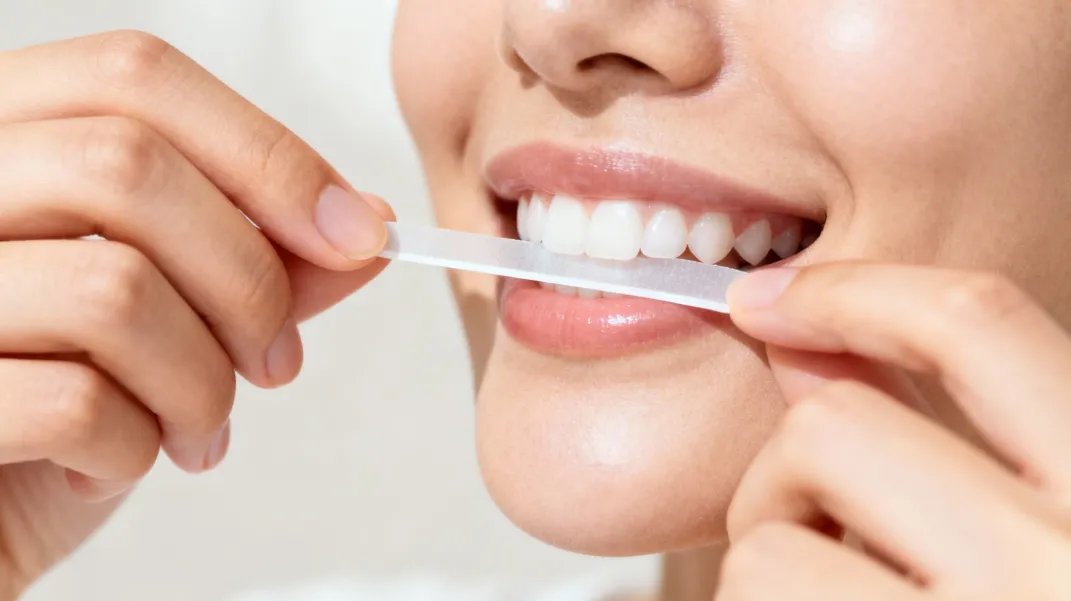
You want a brighter smile. You also want to keep your mouth healthy. Combining teeth whitening with routine cleanings can sound simple, but it can also create confusion and regret if you rush in. Stains, sensitivity, and old dental work all affect your results. So does the timing of your cleaning. A cosmetic dentist in Torrance, CA can help you sort through these issues, but you still need clear questions before you sit in the chair. This blog walks you through four direct questions that protect your teeth, your budget, and your comfort. You will learn when whitening makes sense, when it does not, and how to plan both treatments so they work together. That way you avoid surprise pain, patchy color, or wasted effort. You deserve straight answers before anyone shines a bright light on your teeth.
1. Is my mouth healthy enough for whitening right now?
Start with your health. Color comes second. Whitening on unhealthy teeth can trigger sharp pain and deeper damage. You need to know what is going on under the surface.
Ask your dentist three direct checks during your cleaning visit.
- Do I have any untreated cavities
- Are my gums inflamed or bleeding
- Is there plaque or tartar that needs more work
The American Dental Association explains that untreated decay and gum disease can worsen if exposed to strong whitening products.
If your dentist finds problems, ask for a clear order of care. For many people, the safest plan is simple. First, treat cavities. Then, calm gum disease. Then schedule whitening after a follow-up cleaning.
Three signs you may need to wait on whitening
- Cold or sweet foods cause sharp pain
- Your gums bleed when you brush or floss
- You feel a dull ache in one tooth for more than a day
Whitening works best on clean teeth and healthy gums. Healing first gives you stronger results and fewer surprises.
2. What kind of stains do I have and what results can I expect
Not all stains respond the same way. Some lift fast. Others barely move. You need honest expectations before you spend money or time.
Ask your dentist to explain what kind of stains you have.
- Surface stains from coffee, tea, or tobacco
- Deep stains from aging or old trauma
- Color from certain medicines taken in childhood
Surface stains often respond well to whitening after a thorough cleaning. Deep stains may need more than one session. Some medicine stains may never match the shade you see in ads.
Here is a simple comparison to guide your expectations.
| Type of stain | Common cause | Typical response to whitening | What to ask your dentist |
|---|---|---|---|
| Surface | Coffee, tea, red wine, smoking | Often lightens several shades after cleaning and whitening | How many shades lighter is realistic for me |
| Deep age related | Thinning enamel, natural aging | Some lightning. Color may still look yellow or gray | Would veneers or bonding work better for my goals |
| Medicine related | Certain antibiotics during tooth development | Often uneven or limited response | Can we test a small area before full whitening |
| Internal single tooth | Past injury or root canal | May need treatment inside the tooth | Do I need special whitening for this one tooth |
The National Institute of Dental and Craniofacial Research shares plain language information on stains and enamel. Use that resource to shape your questions before your visit.
Ask your dentist to show you a shade guide. Then, agree on a target shade together. That way, you have a shared picture of success.
3. When is the safest time to whiten around my cleaning
Timing matters. Cleaning and whitening are strong on your teeth. When they are too close together, your teeth can feel sore, and your gums can sting.
Most people have three basic timing choices.
- Whitening right after a cleaning
- Whitening a few days after a cleaning
- Whitening between regular cleanings
Right after a cleaning, your teeth are free of plaque and surface stains. That can help whitening work more evenly. Yet your gums may be tender. If you already have sensitivity, ask if waiting a few days would help.
Use these three questions to decide on timing.
- Do my teeth usually feel sore after cleanings
- How strong is the whitening product we plan to use
- Do I have a deadline, such as a wedding or event
Many dentists suggest whitening within one week after a cleaning. That keeps surfaces clean and still gives your mouth time to calm down. If your cleanings are every six months, plan whitening once a year or once every other year to limit wear on enamel.
4. How will whitening affect my fillings, crowns, and past work
Whitening changes natural tooth color. It does not change the color of fillings, crowns, or veneers. That mismatch can leave you with bright teeth and dark spots where old work shows.
Before you whiten, ask your dentist to check three things.
- Where are my fillings and crowns located
- Will they show when I smile in photos
- How old are they and when will they need replacement
If you have many front fillings or crowns, you may need a staged plan. First, whiten your natural teeth to the agreed shade. Then replace visible fillings or crowns to match that new color. This takes time and money. Honest planning protects you from sudden sticker shock.
Use this quick guide during your visit.
| Dental work | Does whitening change its color | Possible next step |
|---|---|---|
| Silver or tooth colored fillings | No | Plan to replace front fillings after whitening if colors clash |
| Porcelain crowns | No | Match any new crowns to your whitened teeth |
| Veneers | No | Discuss if veneers still match your shade goals |
How to leave your visit with a clear plan
Before you schedule whitening with your routine cleaning, ask your dentist to write out a simple plan. That plan should cover three points.
- Your current oral health status
- Your realistic shade goal
- Your timing for cleaning, whitening, and any new work
Bring a list of your medicines. Share any history of sensitivity. Ask for written aftercare steps so you know what to expect that day, that week, and that month.
With the right questions and a clear plan, you protect your health, your comfort, and your wallet. You also give yourself a stronger chance at a smile that feels clean, looks even, and fits your life without regret.